Mamdani is making some big moves.
New York City Mayor Zohran Mamdani is inserting himself into one of America’s most important Senate races, defending a progressive Democrat while taking aim at criticism from President Donald Trump and his Republican allies.
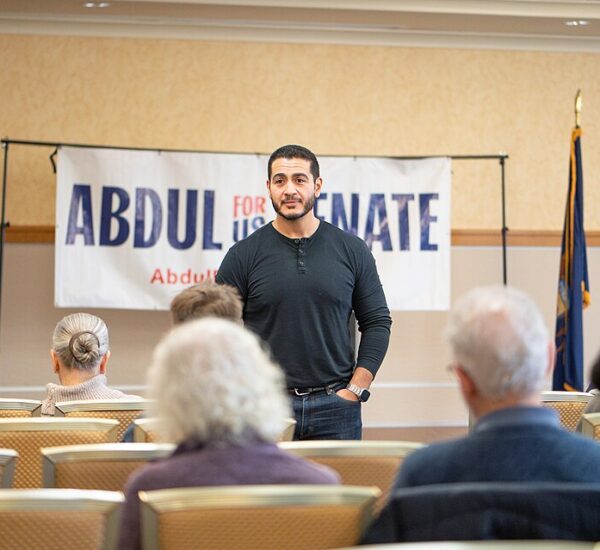
With the November 3 midterm elections approaching, Mamdani is standing behind Michigan Democratic Senate candidate Abdul El-Sayed, who is locked in a competitive contest against Republican Mike Rogers.
The outcome could help determine which party controls the U.S. Senate, making Michigan a crucial battleground for Trump’s political agenda.
Mamdani Jumps Into Major Senate Battle
Mamdani recently defended El-Sayed against criticism from Republicans, arguing that the Michigan Democrat has faced unfair attacks throughout his campaign.
The New York mayor claimed El-Sayed had endured “blatantly racist attacks” while attempting to keep voters focused on his political platform.
Mamdani also compared the situation to his own mayoral campaign, suggesting that accusations involving race and substantial political spending can make it difficult for candidates to communicate their message.
His remarks came as Trump and Rogers continued raising concerns about El-Sayed’s political positions, previous statements, and background.
The dispute has added another national dimension to an already contentious election.
For Republicans, the focus remains on whether El-Sayed’s progressive policies reflect the priorities of Michigan voters.
Trump And Republicans Challenge El-Sayed
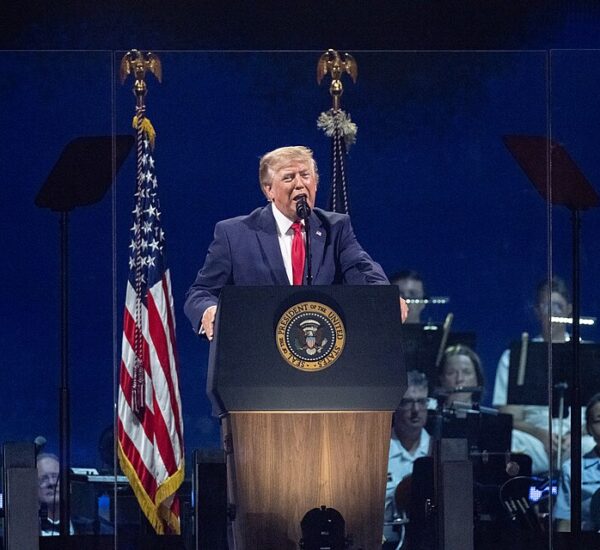
President Trump has supported Rogers, a former congressman and FBI agent who has emphasized his national security experience throughout the campaign.
Trump and other Republicans have strongly criticized El-Sayed, including raising allegations about supposed connections to outside organizations.
El-Sayed has repeatedly denied any affiliation with the organization, and publicly available evidence has not established that he belongs to it.
The political disagreement has intensified as both candidates make their final appeals to voters.
Republicans have also questioned a 2011 academic research paper co-authored by El-Sayed that examined relationships between ethnicity and certain pregnancy outcomes.
Sen. Ted Cruz was among those who criticized the research, raising concerns about its discussion of interethnic relationships.
The controversy has become another point of disagreement between Republicans and Democrats, although the paper itself does not establish that El-Sayed personally supports racial discrimination.
Progressive Agenda Raises Political Questions
Beyond the personal controversies, the Michigan election presents voters with two significantly different political approaches.
El-Sayed has supported several progressive proposals, including Medicare for All, higher taxes on wealthy Americans and corporations, and ending U.S. military assistance to Israel.
His policies have drawn support from prominent progressive figures, including Sen. Bernie Sanders and Rep. Alexandria Ocasio-Cortez.
Rogers has criticized these proposals, arguing that Michigan needs leadership focused on economic growth, national security, and protecting American jobs.
The Republican candidate has also emphasized the importance of Michigan’s manufacturing industry, a major economic concern for communities throughout the state.
El-Sayed has countered by focusing on rising living expenses, health care affordability, and criticism of Trump’s administration.
These competing messages have placed economic security, government spending, and health care at the center of the Senate contest.
Democrats Face Problems Within Their Own Party
The race has also exposed disagreements among Michigan Democrats.
El-Sayed defeated Democratic Rep. Haley Stevens during the party’s August primary, but tensions between the two have continued ahead of the general election.
One recent disagreement involved an advertisement from an outside political group connecting American support for Israel to higher grocery costs.
Stevens criticized the advertisement and called for El-Sayed to address concerns about its message.
El-Sayed distanced himself from the advertisement, which his campaign did not produce, and argued that Democrats should concentrate on defeating Rogers.
The disagreement became more serious when El-Sayed’s campaign requested that Stevens stay away from certain campaign events.
Although Stevens has expressed support for the Democratic nominee, the public dispute has raised concerns about party unity during the final days of the race.
For Democrats hoping to hold Michigan’s Senate seat, bringing different factions of the party together remains an important challenge.
Why Michigan Matters To President Trump
Michigan’s Senate contest carries significant consequences for Washington.
The seat is currently held by retiring Democratic Sen. Gary Peters, creating an opportunity for Republicans to gain ground in a competitive state.
A Rogers victory would strengthen Republican efforts to maintain control of the Senate and provide additional support for Trump’s legislative priorities.
An El-Sayed victory would allow Democrats to retain the seat and improve their chances of gaining a Senate majority.
Control of the chamber could influence major decisions involving federal spending, tax policy, border security, government appointments, and the direction of the country.
That is why both parties have invested substantial attention and resources in the Michigan election.
The contest could also offer an important indication of how voters are responding to Trump’s presidency and the Democratic Party’s increasingly influential progressive wing.
Final Days Could Shape The Senate’s Future
As Election Day approaches, Mamdani’s defense of El-Sayed highlights the national attention surrounding Michigan’s competitive race.
Supporters of El-Sayed argue that Republicans have relied on unfair personal attacks, while Rogers and his allies maintain that voters deserve careful scrutiny of the Democratic candidate’s policy positions and public record.
Both campaigns are also competing for voters concerned about household expenses, employment, health care, and America’s future direction.
For Michigan residents, those issues will ultimately carry consequences well beyond the campaign itself.
The November 3 election will determine who represents the state in the Senate and could help decide which party holds power in Washington.
With President Trump’s agenda and control of the Senate at stake, Michigan’s voters are preparing to make one of the most consequential decisions of the 2026 midterm elections.