El-Sayed is poking the bear again.
Michigan Democratic Senate candidate Abdul El-Sayed is making headlines after issuing an unusual challenge to President Donald Trump, demanding that the president take a lie detector test as tensions rise ahead of the November midterm elections.
The challenge comes after Trump criticized El-Sayed during a campaign rally, raising questions about the Democrat’s political associations and suggesting he should face additional security screening if elected to Congress.
Now, with Election Day just days away, the political confrontation is drawing national attention to one of the country’s most closely watched Senate races.
Democrat Issues Unusual Challenge To Trump
During a Thursday campaign rally in Kalamazoo, Michigan, El-Sayed responded directly to remarks Trump made about him earlier in the week.
The Democratic candidate said he would willingly pass through a metal detector every day before entering the Senate if Trump agreed to take a lie detector test.
El-Sayed insisted he had nothing to hide and suggested the president should be willing to answer questions under similar scrutiny.
The candidate identified two subjects he wanted to address during the proposed examination: Trump’s past association with Jeffrey Epstein and his claims concerning the 2020 presidential election.
Trump has repeatedly disputed the outcome of the 2020 election, although Joe Biden’s victory was certified following recounts, legal challenges, and official reviews.
El-Sayed’s comments represented an attempt to turn the president’s criticism into a political challenge of his own.
There has been no indication that Trump plans to participate in such an examination.
Trump’s Michigan Remarks Started The Dispute
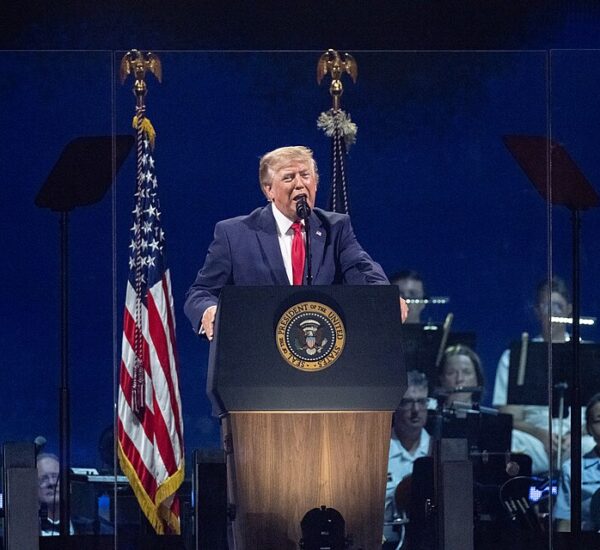
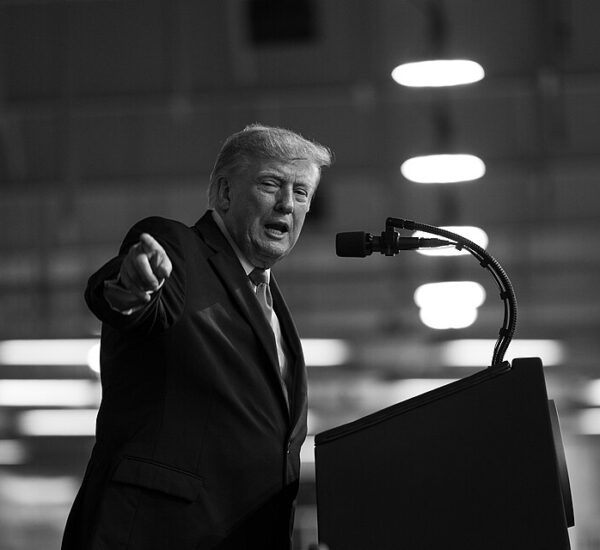
The confrontation began during Trump’s October 25 appearance in Port Huron, Michigan, where he campaigned ahead of the midterm elections.
During his remarks, Trump criticized El-Sayed and accused the Democratic candidate of having connections to Islamic extremist movements.
Trump also suggested that El-Sayed should be required to pass through a metal detector before entering the Senate chamber if voters elect him.
The remarks generated controversy, with critics accusing the president of targeting El-Sayed because of his Muslim faith.
El-Sayed has rejected accusations that he maintains ties to extremist organizations.
Republicans have continued questioning the candidate’s political associations, while Democrats argue that the attacks are an attempt to distract voters from other major campaign issues.
The increasingly personal exchange illustrates the intensity of the battle for Michigan’s open Senate seat.
White House Defends Trump Against Accusations
El-Sayed’s reference to Jeffrey Epstein also prompted a response from the White House.
Epstein, a convicted sex offender who died in federal custody in 2019, maintained relationships with numerous prominent individuals over the years, including Trump.
However, a past social association does not establish participation in Epstein’s criminal activities.
White House spokesperson Lauren Bis rejected El-Sayed’s insinuations and defended the president’s handling of documents connected to the Epstein investigation.
Bis pointed to the administration’s release of Epstein-related records, cooperation with congressional inquiries, and Trump’s signing of legislation intended to increase transparency surrounding the case.
The White House maintains that Trump has been cleared of wrongdoing related to Epstein.
El-Sayed’s challenge does not represent an official investigation, and no evidence has been presented establishing that the proposed lie detector examination would settle any of the political disputes.
For now, the demand remains part of the increasingly heated campaign rhetoric.
Michigan Senate Contest Could Have National Consequences
Behind the confrontation is a closely contested election that could help determine the balance of power in Washington.
El-Sayed is running against Republican Mike Rogers, a former U.S. congressman and FBI agent who has received Trump’s endorsement.
The candidates are competing for the Senate seat being vacated by retiring Democratic Sen. Gary Peters.
For Republicans, electing Rogers would represent an opportunity to gain a Senate seat currently held by Democrats and strengthen the party’s position in Congress.
Democrats are working to defend the seat and prevent Republicans from expanding their influence in the Senate.
Both candidates have emphasized different priorities throughout the campaign.
Rogers has highlighted national security, border enforcement, manufacturing, and his experience in Congress.
El-Sayed has focused on health care, economic affordability, and expanding government assistance programs.
Those differences could have lasting consequences for Michigan residents and the country as a whole.
Republicans And Democrats Battle Over Voter Priorities
While the lie detector controversy has attracted attention, the Senate election involves issues extending far beyond the latest exchange between Trump and El-Sayed.
Michigan voters are weighing competing approaches to economic growth, federal spending, public safety, immigration, and health care.
The state’s manufacturing industry also makes economic policy a particularly important consideration.
For many households, the cost of groceries, utilities, housing, and medical care remains a major concern.
Republicans are promoting their economic and national security priorities, while Democrats are emphasizing affordability and their proposals for expanding health care access.
The outcome could influence the direction of federal legislation and the Senate’s ability to confirm presidential appointments.
With control of Congress at stake, both parties are investing significant attention in the Michigan contest.
Election Day Approaches As Political Tensions Rise
As the November 3 midterm elections approach, the exchange between El-Sayed and Trump underscores the increasingly confrontational atmosphere surrounding major congressional races.
El-Sayed has attempted to use the president’s remarks to energize Democratic voters and shift attention toward questions he believes Trump should answer.
Trump, meanwhile, continues supporting Rogers and warning voters about the direction Democrats could take the country.
Despite the personal attacks and political challenges, the final decision belongs to Michigan voters.
The winner will serve a six-year Senate term and have a direct role in shaping legislation, federal spending priorities, and the future direction of Washington.
Whether Trump ever responds to El-Sayed’s proposed lie detector test remains uncertain.
But with Election Day approaching, the dispute has added another controversial moment to a Senate race that could carry significant consequences for both political parties.