Here’s what Trump’s team is thinking.
The Trump administration is taking another step in its immigration enforcement agenda, this time focusing on access to the U.S. financial system for people who are in the country illegally.
White House Deputy Chief of Staff Stephen Miller said the administration believes tighter oversight of banking and lending practices could encourage some illegal immigrants to voluntarily leave the United States.
Speaking on The Clay Travis & Buck Sexton Show on Friday, Miller outlined what he described as a new strategy aimed at reducing incentives for illegal immigration.
“President Trump signed an executive order a few weeks ago saying that we are not going to allow illegal aliens to use banking services in this country,” Miller said during the interview.
Miller argued that many illegal immigrants currently participate in everyday financial activities, including maintaining bank accounts, using credit cards, and receiving wages through direct deposit. He said limiting access to those services could become “a massive engine for deportation” by encouraging self-deportation.
Executive Order Increases Financial Oversight
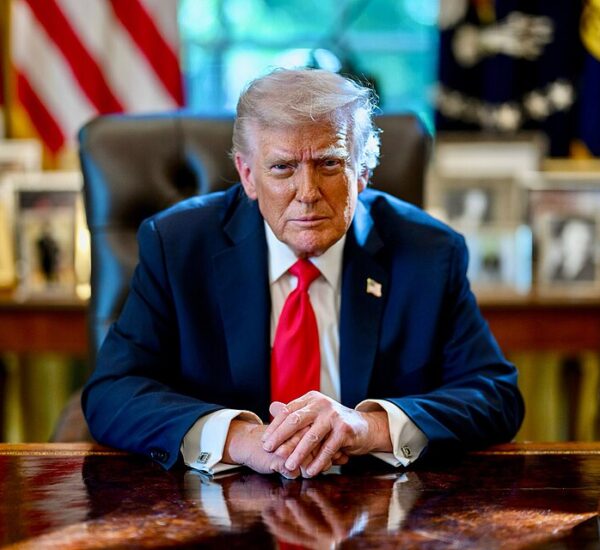
Miller was referring to an executive order signed by President Donald Trump on May 19 directing federal regulators and financial institutions to increase scrutiny of certain financial transactions involving individuals who are not legally authorized to work or remain in the United States.
The executive order does not specifically require banks to close accounts or automatically deny financial services based solely on immigration status. However, it directs regulators to strengthen oversight and enforce existing laws, a move that could make it more difficult for some individuals without legal status to obtain or maintain certain financial products.
Administration officials say the policy is intended to reinforce immigration laws while ensuring that federal agencies and financial institutions properly verify eligibility where required.
Federal Agencies Begin Implementing the Policy
Several federal agencies have already begun issuing guidance following the president’s executive order.
Earlier this summer, the Consumer Financial Protection Bureau, under Director Russell Vought, advised lenders that immigration status and legal work authorization may be considered when evaluating whether an applicant has the ability to repay a loan.
Miller also highlighted additional guidance issued on July 13 by three federal agencies reminding supervised financial institutions to follow existing safe-and-sound lending practices when making loans to individuals who are not legally authorized to work in the United States.
The guidance emphasizes that lenders should carefully evaluate repayment risk and comply with federal banking standards when extending credit.
Administration Says Policy Supports Immigration Enforcement
The Trump administration says the latest financial measures are part of a broader effort to strengthen immigration enforcement and reduce incentives for illegal immigration.
Supporters argue that limiting access to financial services for those who are in the country illegally complements other enforcement initiatives, including enhanced border security, expanded workplace verification, and increased interior immigration enforcement.
Administration officials have repeatedly stated that their goal is to encourage voluntary departures while ensuring that taxpayer-funded systems and financial institutions operate in accordance with federal immigration laws.
Immigration Policy Remains a Major Political Issue
Immigration continues to rank among the top concerns for many American voters, with debates over border security, enforcement, and legal immigration expected to remain central issues heading into future elections.
The administration’s latest actions reflect its broader strategy of using executive authority and federal regulatory guidance to advance its immigration priorities while encouraging compliance with existing immigration laws.
As federal agencies continue implementing the president’s directives, financial institutions will likely review their policies to ensure they meet updated regulatory expectations.
Whether the new approach results in a measurable increase in self-deportations or additional legal challenges remains to be seen, but the administration has made clear that immigration enforcement will remain one of its highest priorities.