This was surprising to hear.
Former CIA Director Leon Panetta is sounding the alarm over America’s strategy in the growing conflict with Iran, warning that the United States could become trapped in another costly, long-term war with no clear end in sight.
During a Thursday interview on CNN, Panetta, who served as CIA director under former President Barack Obama, argued that the current Iran conflict shares troubling similarities with previous U.S. military campaigns in Vietnam, Iraq, and Afghanistan.
Panetta Warns About Another “Forever War”
Panetta said history has repeatedly shown that wars without clearly defined objectives often become prolonged conflicts that are difficult to end.
According to the former intelligence chief, the United States now faces that same challenge in Iran.
He argued that continued military operations alone are unlikely to force Tehran to change its position and warned that Americans are already feeling the financial consequences through higher oil prices and increased living expenses.
Panetta said the administration now finds itself searching for a strategy that can bring the conflict to a close before it grows into another lengthy military commitment.
He warned that without a clear plan, the United States is in “deep trouble.”
Strait of Hormuz Becomes Key Focus
CNN anchor Brianna Keilar asked Panetta what it would take to restart negotiations with Iran.
Panetta responded that Washington first needs greater leverage.
He pointed to the Strait of Hormuz, one of the world’s busiest energy shipping routes, arguing that Iran has gained significant influence by maintaining leverage over the strategically important waterway.
Panetta criticized previous diplomatic decisions that he believes allowed Tehran to strengthen its negotiating position.
He argued that the United States should establish greater control over access through the Strait of Hormuz in order to protect global energy supplies and improve America’s bargaining power.
According to Panetta, if the U.S. fails to gain additional leverage, future negotiations will become even more difficult because discussions would likely include not only Iran’s nuclear program but also security and shipping through the vital waterway.
Trump Defends His Iran Strategy
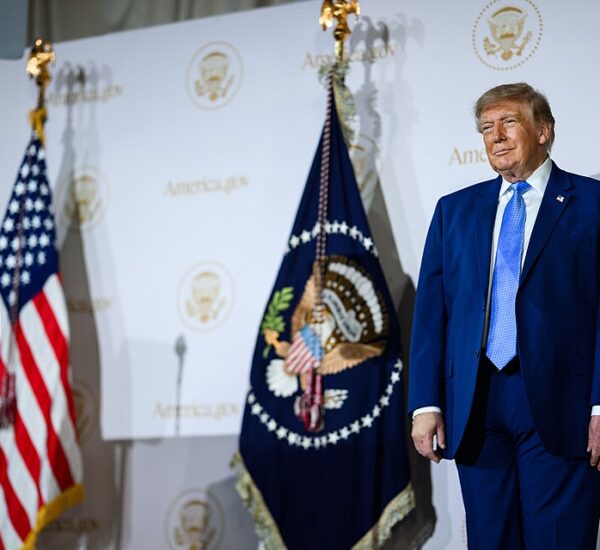
President Donald Trump expressed a much different view during remarks Thursday at the Environmental Protection Agency.
The president said the United States was “doing very well against the Islamic Republic of Iran,” despite continued debate in Washington over America’s military involvement.
Trump also rejected suggestions that pressure on Iran should be eased.
“They’re not ready yet,” Trump said.
“They have some evil intentions. We cannot let them have a nuclear weapon.”
His comments came even as some lawmakers continue pushing for limits on U.S. military involvement in the conflict.
Why This Matters
The disagreement between President Trump and former CIA Director Leon Panetta highlights the larger debate over America’s strategy in the Middle East.
Supporters of the administration argue that maintaining maximum pressure is necessary to stop Iran from developing a nuclear weapon and threatening U.S. allies.
Critics, however, warn that without clearly defined military and diplomatic goals, the conflict could evolve into another prolonged overseas engagement that places additional strain on both the U.S. economy and national security.
With tensions remaining high, decisions made in the coming weeks could have major consequences for global energy markets, oil prices, U.S. foreign policy, and stability throughout the Middle East.