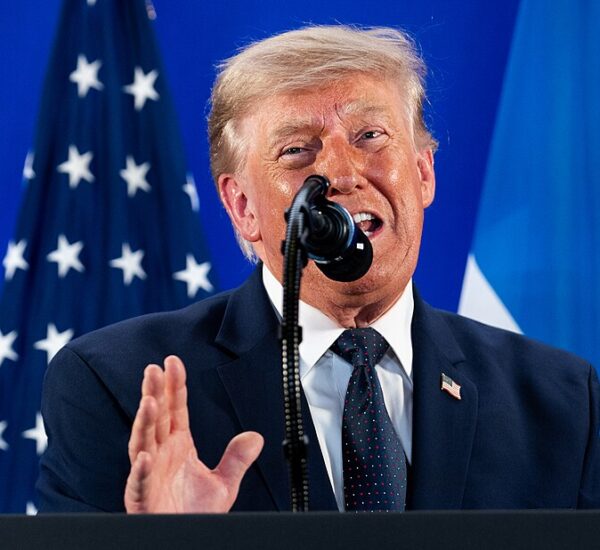
Trump Lends Oils Energy Companies
As gasoline prices continue to climb and tensions in the Middle East disrupt global energy supplies, the Trump administration has announced a major move to help stabilize oil markets and protect American consumers.
On Monday, the Department of Energy confirmed that it will loan 53.3 million barrels of crude oil from the U.S. Strategic Petroleum Reserve (SPR) to major energy companies. The goal is simple: increase available supply, reduce market panic, and help prevent fuel prices from rising even further.
For retirees, seniors, and working families already feeling the strain of inflation, the decision could provide much-needed relief.
Trump Administration Takes Action to Protect American Consumers
President Donald Trump’s administration is using one of the nation’s most important emergency resources to respond to a rapidly developing global energy crisis.
The oil loan program is part of a broader international effort to offset disruptions caused by conflict involving Iran, Israel, and the United States.
By acting quickly, the administration hopes to keep gasoline and diesel prices from surging to levels that would place even more pressure on household budgets.
Major Oil Companies Receive Emergency Crude Supplies
Nine major energy companies are participating in the program, including:
- Exxon Mobil
- Trafigura
- Marathon Petroleum
The Department of Energy had offered up to 92.5 million barrels, but participating companies requested 53.3 million barrels, or about 58% of the total available.
These companies will use the oil to maintain refinery operations and ensure fuel supplies remain steady.
Strategic Petroleum Reserve Release Could Ease Gas Prices
The Strategic Petroleum Reserve is America’s emergency stockpile of crude oil, stored in massive underground caverns along the coasts of Texas and Louisiana.
It currently holds approximately 384 million barrels.
The federal government is not giving away the oil. Instead, companies are borrowing it and must return the same amount later, along with additional crude premiums of up to 24%.
According to the Department of Energy, this approach supports markets while potentially increasing the reserve over time—all at no direct cost to taxpayers.
Global Agreement Aims to Offset Iran Supply Disruptions
In March, the United States joined more than 30 nations in the International Energy Agency to release approximately 400 million barrels from strategic reserves worldwide.
The coordinated action was prompted by Iran’s closure of the Strait of Hormuz, a critical shipping route through which roughly 20% of the world’s oil normally passes.
The disruption has sent shockwaves through global markets and raised fears of prolonged supply shortages.
Energy Officials Warn Crisis May Continue
Fatih Birol, head of the International Energy Agency, has described the current situation as one of the most severe energy disruptions ever faced by the global economy.
He said participating nations are prepared to release additional oil if conditions worsen.
So far, countries have used roughly 20% of their emergency reserves.
Gas Prices Hit Highest Level in Years
According to AAA, the national average gasoline price rose to $4.52 per gallon on Monday, the highest level since 2022.
For older Americans and those living on fixed incomes, rising fuel prices can significantly increase the cost of:
- Grocery shopping
- Prescription pickups
- Medical appointments
- Family travel
- Home deliveries
Every additional increase at the pump affects household budgets across the country.
Trump’s Energy Strategy Focuses on Stability and Security
The administration says its goal is to ensure that global turmoil does not unnecessarily burden American consumers.
By coordinating with allies and leveraging the Strategic Petroleum Reserve, President Trump is taking decisive steps to support energy security and economic stability.
For millions of Americans, especially seniors and retirees, keeping fuel prices under control remains one of the most important economic issues of the year.
Why This Matters to American Families
Energy prices affect far more than what drivers pay at the pump. They also influence:
- Food prices
- Airline tickets
- Utility bills
- Shipping costs
- Overall inflation
The Trump administration’s latest action is designed to reduce uncertainty and provide a buffer against additional price spikes.
As global tensions continue, many Americans will be watching closely to see whether this move helps bring much-needed relief to their wallets.