Another State Opens Door To Redistricting
A growing political fight is unfolding in South Carolina after Republican lawmakers voted Wednesday to extend the state’s legislative session, opening the door to possible new congressional district maps ahead of a critical election cycle.
The move comes after a major Supreme Court ruling reshaped the national redistricting debate and energized Republican leaders across several conservative states.
If the extension is approved by the South Carolina Senate, lawmakers could move quickly to redraw congressional boundaries in a way that may strengthen Republican influence in the state. Republicans currently control six of South Carolina’s seven U.S. House seats.
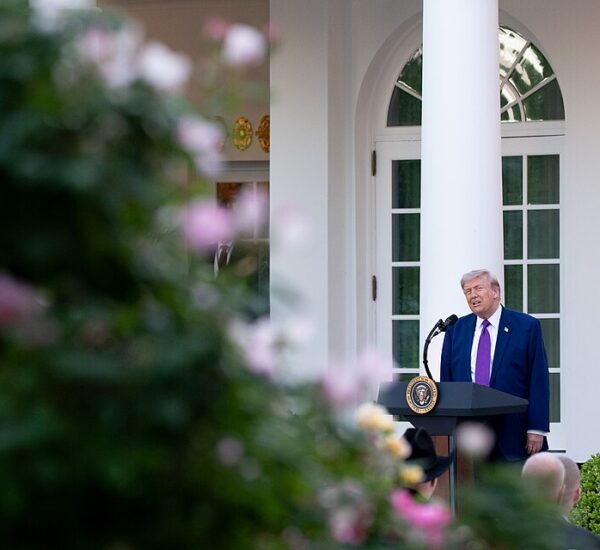
The issue has quickly become one of the hottest political stories in the South, especially as reports surface that President Donald Trump has personally encouraged lawmakers to revisit the state’s congressional maps.
A hearing on the redistricting effort is already scheduled for Friday by the chairman of the South Carolina House Judiciary Committee.
The timing of the proposal has drawn national attention because South Carolina’s primary election is now less than a month away. Some absentee ballots have already been mailed to voters, adding even more urgency and controversy to the debate.
Democrats immediately criticized the effort, accusing Republicans of attempting to change congressional boundaries during an active election season.
South Carolina Democratic Party Chair Christale Spain claimed Republican lawmakers were moving too quickly and argued that voters should have more direct input before any map changes are finalized.
Republicans, however, say states have every right to revisit congressional districts following major legal decisions and population changes. Conservatives across the country have increasingly argued that many past district maps unfairly favored Democrats and deserve another look.
The battle in South Carolina is part of a much larger national redistricting war that has intensified in recent months.
A Trump-backed push for new congressional maps in Texas helped reignite similar efforts across several Republican-led states. Meanwhile, Democrat-controlled states have also pursued favorable redraws of their own districts, fueling accusations of political double standards from conservatives.
Momentum for additional map changes accelerated after the Supreme Court weakened a key section of the Voting Rights Act, a decision many legal experts believe gives states greater flexibility when drawing congressional districts.
Political observers now warn that more states could revisit their maps before the next midterm elections, potentially reshaping the balance of power in Washington.
The issue has already created political consequences in other states. In Indiana, several Republican state senators recently lost primary elections after opposing a redistricting plan supported by Trump allies.
With control of Congress expected to remain fiercely competitive, the growing redistricting fight in South Carolina could become one of the most closely watched political battles heading into the next election season.