Supreme Court Lifts Major Block For GOP
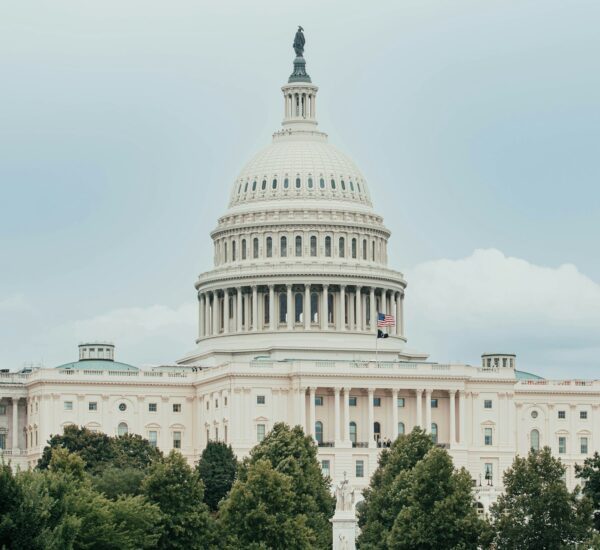
In a decision that could have a major impact on the 2026 midterm elections, the U.S. Supreme Court handed Alabama Republicans an important legal victory on Monday by reopening the fight over the state’s congressional map.
The ruling could help conservatives strengthen their hold on Alabama’s representation in Congress and marks another significant win for states seeking greater control over how election districts are drawn.
For supporters of election integrity and state sovereignty, the decision is a strong signal that the Supreme Court is continuing to limit federal interference in state redistricting decisions.
Supreme Court Removes Roadblock to Republican Map
The high court set aside a lower court ruling that had blocked Alabama’s Republican-led congressional map.
That map would reduce the state from two majority-Black districts to one, a change that could improve Republican chances of winning the district currently represented by Democrat Shomari Figures.
Although the Supreme Court did not immediately restore the map, it sent the case back to lower courts for reconsideration in light of the Court’s recent decision narrowing the scope of the Voting Rights Act.
This gives Alabama Republicans a fresh opportunity to argue that their original district lines should be reinstated before the midterm elections.
Liberal Justices Protest the Decision
The Court’s three liberal justices publicly opposed the move.
Justice Sonia Sotomayor, joined by Justices Elena Kagan and Ketanji Brown Jackson, argued that the lower court’s decision should remain in place as Alabama voters prepare for upcoming elections.
Sotomayor warned that changing course now could create confusion and criticized the majority for discarding what she described as a carefully documented finding.
Why This Case Matters
The Alabama case follows the Supreme Court’s recent 6-3 ruling involving Louisiana, which limited the ability of activist groups to use the Voting Rights Act to pressure states into drawing additional majority-minority districts.
Conservatives have long argued that these lawsuits allow unelected judges to override state legislatures and impose politically motivated maps.
The Court’s latest action suggests that states may now have more freedom to design congressional districts without constant legal challenges from outside organizations.
Big Implications for the Midterm Elections
The timing is critical.
As states finalize congressional maps ahead of the 2026 midterms, even one district can affect the balance of power in the U.S. House of Representatives.
If Alabama ultimately succeeds in restoring its preferred map, Republicans could gain a stronger position in a key congressional race and improve their chances of expanding conservative representation in Washington.
A Broader Shift Toward State Authority
The Supreme Court’s recent rulings point to a larger trend: restoring constitutional authority to state legislatures and limiting federal courts from rewriting election maps.
Supporters say this approach respects the will of voters and upholds the principle that elected lawmakers—not activist judges—should make decisions about district boundaries.
What Happens Next?
The case now returns to the lower court, where Alabama officials will argue that the Supreme Court’s latest Voting Rights Act ruling changes the legal standards governing redistricting.
If the state prevails, Republicans could regain a substantial advantage and add momentum to broader conservative efforts to protect state control over elections.
For many Americans, especially older voters concerned about fair representation and constitutional government, this case is another reminder that the Supreme Court remains a powerful force shaping the nation’s political future.