Here what American families should know.
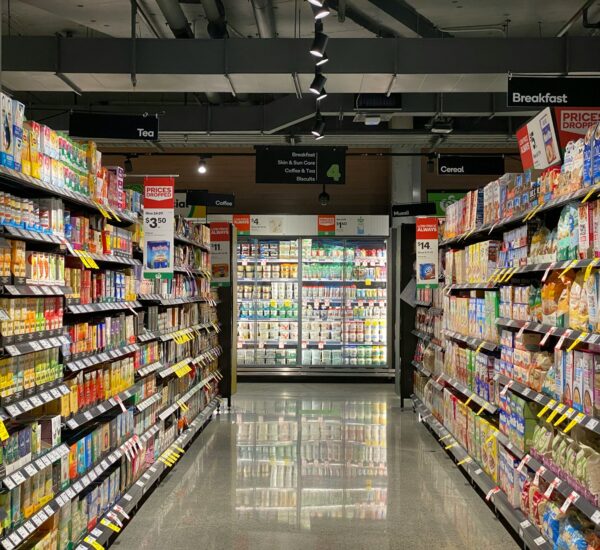
American families are once again facing rising grocery bills, and this time one of the biggest increases is hitting a staple of the American dinner table: beef.
Economists warn that beef prices are likely to remain elevated for several years as the United States deals with the smallest cattle herd in nearly 75 years. For millions of retirees and working families already stretched by inflation, the news could mean higher costs for burgers, steaks, and roasts well into the future.
Why Beef Prices Are So High Right Now
The primary reason for soaring beef prices is simple: there are fewer cattle in the United States than at any point since the early 1950s.
According to experts, years of severe drought across the West and Great Plains have devastated grazing land and reduced hay production. Ranchers have faced rising feed costs, water shortages, and mounting financial pressure.
Eric Belasco, an agricultural economist at Montana State University, says drought has been the single biggest factor behind the sharp decline in herd sizes.
Without enough grass and water, many ranchers were forced to sell cattle early, including breeding cows that are essential to rebuilding the nation’s herd.
Why Prices May Stay High for Years
Unlike other industries, cattle production cannot be expanded overnight.
Livestock economist Derrell Peel of Oklahoma State University explains that it takes roughly two years for cattle to reach market size, and rebuilding herds can take several additional years.
That means even if weather conditions improve and feed costs stabilize, consumers should not expect lower beef prices anytime soon.
In short, this is not a short-term problem—it is a long-term supply crisis.
Grocery Store Sticker Shock Continues
Data from the United States Department of Agriculture shows that average beef prices rose from approximately $8.70 per pound in early 2025 to more than $10.00 per pound one year later.
That represents a price jump of roughly 16% in just 12 months.
For seniors living on fixed incomes and families watching every dollar, these increases add even more pressure to already strained household budgets.
Four Major Companies Dominate the Industry
The U.S. beef processing sector is heavily concentrated in the hands of four large corporations:
- Tyson Foods
- JBS S.A.
- Cargill
- National Beef Packing Company
Together, these companies process roughly 85% of America’s grain-fed cattle.
This market dominance has drawn antitrust scrutiny from federal regulators, with critics arguing that consolidation may contribute to higher prices and reduced competition.
Americans Still Refuse to Give Up Beef
Despite higher prices, consumer demand remains remarkably strong.
Americans spent more than $45 billion on beef in 2025 and purchased over 6.2 billion pounds, according to industry data.
That means shoppers are not just paying more—they are continuing to buy more, underscoring beef’s enduring importance in the American diet.
What This Means for President Trump and the Economy
As President Donald Trump works to keep inflation under control and strengthen the economy, persistently high food prices remain a major concern for voters.
Rising beef prices are another reminder that supply shortages and weather-related disruptions can have a lasting impact on kitchen-table economics.
For many Americans, especially those over 50, food affordability remains one of the most important issues affecting everyday life.
Tips for Saving Money on Beef
While prices remain high, consumers can reduce costs by:
- Purchasing larger family packs when on sale
- Choosing ground beef instead of premium cuts
- Buying from local farmers or warehouse clubs
- Freezing extra meat for future use
- Substituting lower-cost proteins when needed
Bottom Line
The United States is facing a historic cattle shortage, and experts say the resulting supply crunch could keep beef prices elevated for years.
Years of drought, higher operating costs, and reduced herd sizes have created a problem that cannot be fixed quickly.
For American families already dealing with inflation, the cost of putting steak or hamburgers on the table may remain stubbornly high for the foreseeable future.