Here are the facts.
The White House is defending President Donald Trump after several Catholic bishops accused his administration of using a private moment of prayer for political purposes, setting off a controversy just days before the November midterm elections.
The dispute erupted after 12 Catholic bishops visited the White House on October 22 to discuss important religious and policy concerns with administration officials.
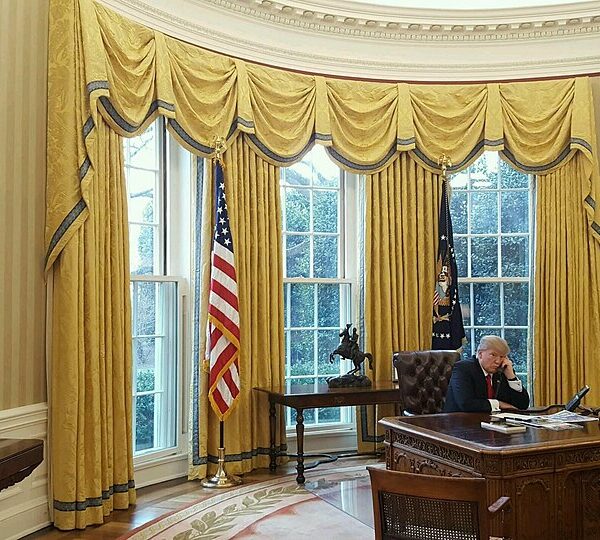
But what began as a meeting about immigration, religious freedom, and other issues quickly turned into a public disagreement after photographs and video showed the bishops praying with Trump inside the Oval Office.
Several religious leaders subsequently expressed regret over how the gathering was presented to the public, prompting the White House to defend the president’s record on issues important to Catholic Americans.
White House Issues Strong Defense of Trump
White House spokeswoman Taylor Rogers responded to the criticism by emphasizing Trump’s actions on behalf of Christians and religious institutions.
In a statement reported by Fox News, Rogers described Trump as an exceptionally strong president for Catholic Americans.
She pointed to his administration’s efforts to protect religious liberty, defend parental rights, and pardon pro-life activists.
The response highlighted the administration’s position that Trump has consistently supported religious Americans on several major policy issues.
However, the statement did not directly answer the bishops’ central complaint: whether the religious leaders had agreed to the public release of their Oval Office prayer.
That question remains at the heart of the controversy.
Archbishop Accuses White House of Misusing Prayer
Milwaukee Archbishop Jeffrey Grob was among the most outspoken critics of how the meeting was publicized.
In a statement released October 25, Grob apologized to Catholics who were troubled by the images of church leaders standing alongside Trump.
According to the archbishop, the bishops had traveled to Washington to discuss serious concerns affecting the Catholic Church and the communities it serves.
The gathering was not intended to serve as a political endorsement.
Grob maintained that the bishops had not authorized the release of photographs or video showing their prayer with the president.
He expressed disappointment that a religious moment could be portrayed in a manner that suggested partisan support.
The archbishop also acknowledged that he had reservations about participating in the meeting but ultimately decided that engaging with administration officials was worthwhile.
His comments came less than two weeks before the November 3 midterm elections, when political activity across the country was already intensifying.
Why Catholic Bishops Visited the White House
The meeting itself involved several significant policy issues.
According to Grob, the gathering was arranged through the Heritage Foundation and focused on concerns affecting Catholic institutions and their members.
Among the subjects discussed were immigration enforcement, religious worker visas, and questions involving human dignity.
Other issues raised in connection with the visit included abortion-related policies and federal support for private education.
The bishops reportedly spent approximately 90 minutes speaking with White House domestic policy officials before being invited into the Oval Office.
During the encounter, Trump presented the visiting religious leaders with commemorative items.
The group then participated in a prayer with the president.
Although some bishops subsequently criticized the publicity surrounding the event, the meeting itself reflected an effort to maintain communication between Catholic leaders and the federal government.
Another Catholic Bishop Expresses Regret
Des Moines Bishop William Joensen also raised concerns about how the gathering was used publicly.
Joensen explained that the bishops had not intended their participation to communicate support for any political party or candidate.
He acknowledged that meeting with a president so close to an election created the possibility of political misunderstanding.
Looking back, Joensen suggested that greater caution might have been appropriate.
His remarks emphasized the distinction between praying for government leaders and formally endorsing their political agendas.
For Catholic bishops, that distinction carries particular importance because their religious responsibilities extend to parishioners with differing political beliefs.
The controversy has raised broader questions about how religious leaders can meet with elected officials without appearing to take sides in political campaigns.
Denver Archbishop Defends Decision to Pray With Trump
Despite the criticism, Denver Archbishop James Golka offered another perspective on the gathering.
Golka, who led the Oval Office prayer, acknowledged that the release of the video could create the impression of a political endorsement.
Nevertheless, he defended the decision to pray with the president.
Golka explained that Catholics have a longstanding tradition of praying for government officials, including leaders with whom they disagree.
He also recognized that the visit might upset some members of the Catholic community because of disagreements over administration policies.
His remarks reflected an important distinction in the controversy.
Participating in prayer with an elected leader does not necessarily mean agreeing with every decision that leader makes.
Golka’s comments also demonstrated that the bishops involved in the meeting did not all approach the situation in exactly the same way.
Immigration Disagreements Complicate Church Relations
The dispute comes amid broader tensions between the Trump administration and some Catholic leaders over immigration enforcement.
Several bishops have criticized immigration policies they believe place unnecessary burdens on families and vulnerable communities.
The U.S. Conference of Catholic Bishops also challenged the administration in court in February 2025 over the suspension of federal refugee resettlement funding.
At the same time, other Catholic leaders have encouraged maintaining constructive relationships with the White House despite disagreements.
Bishop Robert Barron, who has served on Trump’s Religious Liberty Commission, has argued against treating the administration as an enemy on every issue.
Barron has emphasized the importance of continued dialogue, even when religious leaders believe particular government policies deserve criticism.
These differences demonstrate the complicated relationship between political leadership and religious institutions.
Church officials may support an administration’s position on religious freedom while opposing its approach to immigration or other matters.
Controversy Raises Questions About Religion and Politics
The disagreement has brought renewed attention to the role religious leaders play in American political life.
Presidents from both major political parties have met with clergy members, participated in public prayers, and sought advice from religious organizations.
Such meetings can provide opportunities to discuss public policy and concerns affecting faith communities.
However, the recent Oval Office gathering illustrates how quickly those interactions can become politically controversial.
The bishops who criticized the publicity surrounding the prayer maintain that they were attempting to engage the administration on important issues rather than endorse a political candidate.
The White House, meanwhile, has emphasized Trump’s record on religious freedom and other priorities important to many Catholic Americans.
Both positions are central to understanding the dispute.
The disagreement is not simply about whether religious leaders should pray with a president. It also concerns how those interactions are presented to the public, especially during an election season.
White House and Bishops Remain Divided
As the November midterms approach, the controversy underscores continuing differences between the Trump administration and some prominent Catholic leaders.
The White House continues to defend the president’s record, while several bishops maintain that the Oval Office prayer should not have been presented in a way that suggested political support.
The dispute also highlights the challenges religious institutions face when engaging directly with elected officials.
For now, the bishops’ concerns about the release of the prayer video remain unresolved.
The larger issue is whether religious leaders can maintain productive relationships with government officials while preserving the independence of their religious institutions.
That question is likely to remain relevant well beyond the upcoming elections.