GOP Rep Trailing Key Race
A closely watched congressional race in Pennsylvania is raising concerns for Republicans after a new poll showed incumbent Rep. Scott Perry trailing his Democratic challenger just weeks before the November midterm elections.
Perry, a longtime Republican congressman and former chairman of the House Freedom Caucus, is facing another competitive challenge from Democrat Janelle Stelson, a former television news anchor who nearly defeated him in 2024.
According to a new survey from Susquehanna Polling and Research, Stelson holds a narrow advantage over Perry, receiving 49 percent support compared to the Republican incumbent’s 46 percent.
The three-point difference falls within the poll’s margin of error, meaning the contest remains highly competitive and either candidate could ultimately emerge victorious.
The survey questioned 300 likely voters between October 5 and October 11 and carried a margin of error of approximately 5.6 percentage points.
Republicans Face Another Close Election
Pennsylvania’s 10th Congressional District has become one of the most closely watched battlegrounds in the fight for control of the U.S. House of Representatives.
Perry managed to hold onto his seat during the 2024 election, defeating Stelson by approximately 5,000 votes in a contest decided by just over one percentage point.
That narrow victory demonstrated how competitive the district had become, despite President Donald Trump carrying the area during the same election.
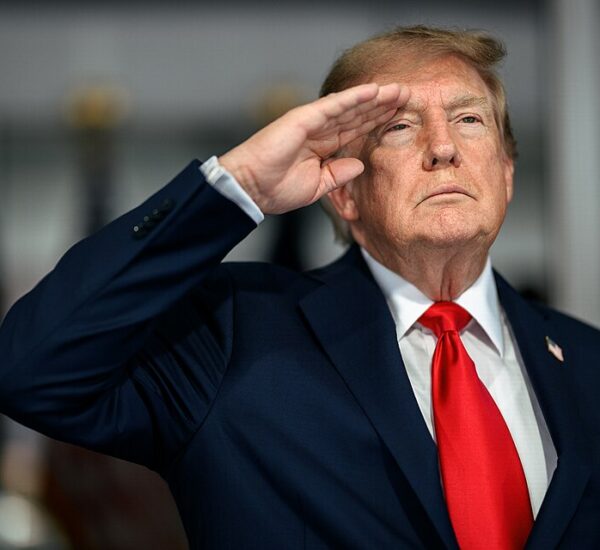
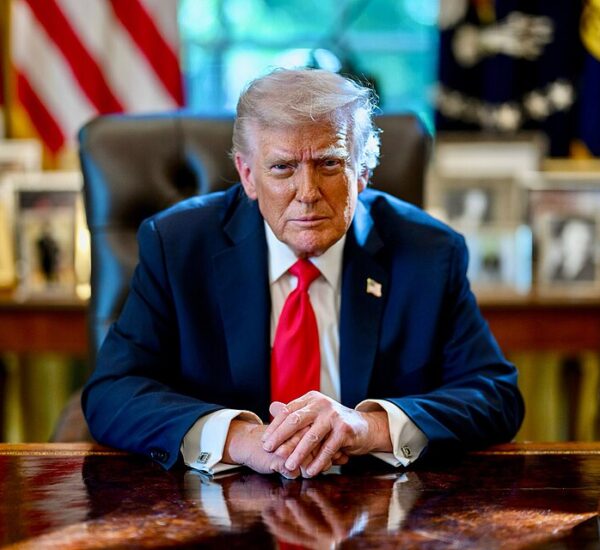
Now, with President Trump serving his second term in the White House, Republicans are working to maintain their congressional majority as Democrats attempt to gain enough seats to take control.
For the GOP, holding districts such as Perry’s could prove especially important.
A Republican majority in the House would help President Trump continue advancing his legislative priorities, while a Democratic takeover could create additional obstacles for his administration.
Perry’s Political Record Takes Center Stage
Perry has established himself as a prominent conservative voice in Congress, particularly through his involvement with the House Freedom Caucus.
Throughout his time in Washington, he has advocated for limiting federal spending, strengthening border security, and reducing government regulations.
His close political relationship with President Trump has also become a significant issue in the campaign.
Democrats have sought to portray Perry as too closely aligned with the president, while Perry has defended his record and emphasized his willingness to stand by his political principles.
Stelson, meanwhile, has attempted to appeal to independent voters and moderate Republicans, particularly those concerned about the economy and everyday living expenses.
Both campaigns recognize that a relatively small number of undecided voters could determine the outcome.
What’s At Stake For The GOP?
The latest survey is not the only indication that Republicans face a challenging contest in Pennsylvania.
A September poll from Franklin & Marshall College also placed Stelson ahead of Perry by three percentage points, suggesting that the race has remained competitive throughout the closing stages of the campaign.
However, polling numbers are only snapshots of voter opinion and do not guarantee election results.
Perry’s narrow victory in 2024 serves as a reminder that even a small shift in turnout could make a significant difference.
For voters across the district, issues such as inflation, economic stability, Social Security, immigration, and federal spending remain important considerations heading into Election Day.
Nationally, Republicans are seeking to preserve their ability to work with the Trump administration on legislation, while Democrats are hoping to regain control of the House and increase their oversight of the White House.
With the November 3 election approaching, the Perry-Stelson rematch could become one of the contests that helps determine which party controls Congress for the final two years of Trump’s presidency.
For now, the latest numbers suggest a difficult but still winnable race for the Republican incumbent.
Whether Perry can overcome his polling deficit will ultimately depend on voter turnout, campaign messaging, and the decisions of Pennsylvanians who have yet to make up their minds.