Here’s what was said.
The Trump administration has uncovered a potentially important breakthrough in the investigation into the nationwide Federal Aviation Administration (FAA) crisis that brought air travel across America to a sudden halt.
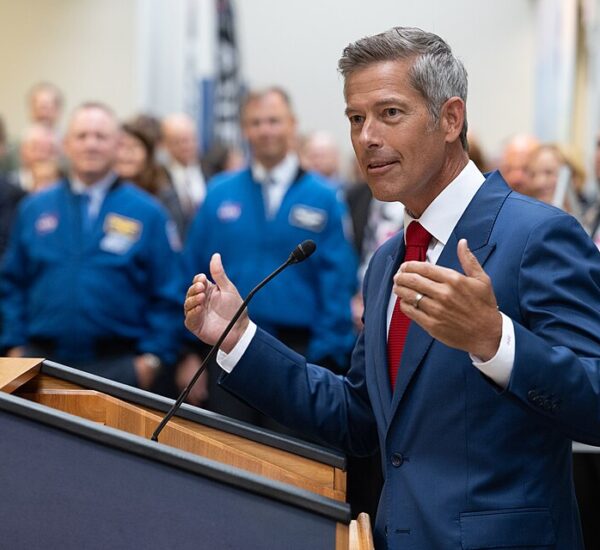
Transportation Secretary Sean Duffy revealed Sunday that federal investigators are examining two network routers that may have triggered the massive communications failure, raising fresh concerns about outdated government technology and the reliability of America’s aviation infrastructure.
The discovery comes after thousands of flights were canceled or delayed, leaving travelers stranded and prompting serious questions about how such a widespread breakdown could happen.
Perhaps most importantly, officials say they have found no evidence that a foreign cyberattack was responsible.
However, the investigation is far from over.
Investigators Zero In On Two Critical Pieces Of Equipment
According to Duffy, investigators are focusing on two routers removed from FAA facilities in Texas and Arkansas.
The equipment has been transported to a Florida facility operated by government contractor L3Harris, where specialists are conducting extensive diagnostic testing.
Engineers from the FAA, Cisco, and Juniper are also participating in the investigation.
Officials are trying to determine whether defective equipment or mistakes during installation caused the communications network to become unstable.
The investigation represents a significant development following days of uncertainty surrounding the unprecedented aviation disruption.
Duffy explained that investigators believe the problem may have originated with either the equipment itself or the work performed during its installation.
Nevertheless, authorities are keeping their options open as they search for definitive answers.
The FBI and other federal law enforcement agencies remain involved in the investigation.
Trump Administration Addresses Cyberattack Concerns
When the FAA crisis first unfolded Friday, November 13, federal officials immediately faced concerns that a foreign adversary might have targeted America’s aviation infrastructure.
President Donald Trump was briefed on the situation, and senior administration officials coordinated their response to determine whether the outage involved malicious activity.
Duffy later revealed that investigators had found no evidence pointing toward foreign involvement.
The transportation secretary emphasized that the administration took the possibility seriously but that the available information increasingly points toward a domestic technical failure.
That distinction is important.
A foreign cyberattack would raise major national security concerns. An equipment malfunction, however, points toward a different problem: the condition of the systems responsible for keeping America’s skies operating safely.
For federal officials, identifying exactly what happened is essential to preventing another nationwide emergency.
FAA Shutdown Leaves Travelers Facing Major Disruptions
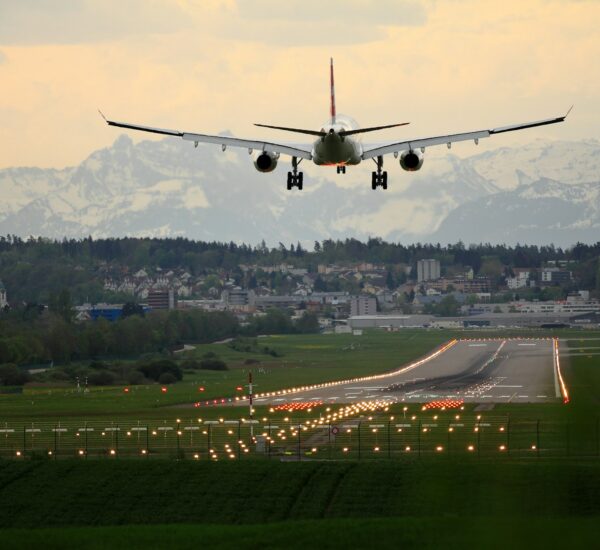
The aviation crisis began Friday afternoon when the FAA experienced serious instability in its communications network.
The agency issued a nationwide ground stop, temporarily preventing departing aircraft from taking off.
The restriction remained in effect for more than four hours before officials restored enough stability to resume operations.
By then, the consequences had spread across the country.
Thousands of Americans faced canceled flights, missed connections, and lengthy delays.
Major airports struggled to manage the disruption as airlines attempted to reorganize aircraft, crews, and passenger schedules.
The problems continued into the weekend, creating additional complications for travelers hoping to reach their destinations.
According to federal aviation officials, the technical failure affected 17 of the nation’s 22 air route traffic control centers.
The network instability interfered with certain communications and radar information used by air traffic controllers.
Although the situation was serious, officials emphasized that established safety procedures remained in place.
Approximately 3,500 aircraft already in the air were able to land safely during the emergency.
Aging Government Technology Comes Under Scrutiny
One of the most troubling revelations involves the age of the FAA’s communications infrastructure.
Duffy has warned that critical portions of the nation’s air traffic control network still depend on technology developed decades ago.
The system has undergone improvements over the years, but significant portions remain outdated.
At the time of Friday’s disruption, contractor L3Harris was performing work associated with replacing older copper-based communications technology with modern fiber-optic connections.
Federal investigators believe problems involving network equipment may have caused an unusual surge in data traffic.
According to the FAA, the system experienced approximately 1,000 connection attempts every four to five seconds.
That activity overwhelmed portions of the network and created instability affecting air traffic control operations.
Officials eventually isolated the suspected trouble spots, allowing the system to stabilize.
As an additional precaution, the FAA disabled similar router functions elsewhere in the network.
The situation has renewed concerns about whether the federal government has invested enough in maintaining critical infrastructure.
It also raises questions about the oversight of private contractors responsible for maintaining essential government systems.
Duffy Pushes Congress For More FAA Funding
The latest developments have intensified the Trump administration’s push to modernize America’s air traffic control system.
Duffy argues that the country needs a modern telecommunications network capable of supporting the demands of commercial aviation.
He has called for substantial additional federal funding to replace outdated systems and prevent similar disruptions.
Major telecommunications providers, including AT&T, Verizon, and Lumen, have expressed interest in helping build an improved network.
However, the proposal faces questions on Capitol Hill.
Congress previously approved $12.5 billion for aviation modernization, and some Democratic lawmakers have questioned why additional funding is necessary before most of that money has been spent.
Duffy maintains that the existing funds were designated for other improvements, including radar equipment, radio systems, and electronic flight technology.
The transportation secretary argues that replacing the underlying communications network requires a separate investment.
The disagreement could become a significant debate over government spending, infrastructure priorities, and the proper use of taxpayer dollars.
For American taxpayers, the central issue is whether additional spending will deliver measurable improvements in safety and reliability.
FAA Officials Defend Decision To Ground Flights
Despite widespread travel disruptions, federal aviation officials have defended their decision to temporarily halt departures nationwide.
Duffy emphasized that protecting passengers must come before keeping flights on schedule.
When air traffic control systems become unreliable, federal officials must respond quickly to avoid putting aircraft and passengers at unnecessary risk.
The FAA said its emergency procedures worked as intended during the crisis.
Although some communications and radar feeds experienced instability, other systems remained operational, allowing controllers and pilots to safely manage aircraft already in flight.
FAA Administrator Bryan Bedford also expressed confidence that the immediate emergency had been brought under control.
The FAA lifted the nationwide ground stop Friday evening after confirming that the affected network had stabilized.
Airlines continued dealing with the resulting disruptions throughout the weekend.
What Happens Next In The FAA Investigation?
The investigation now centers on determining exactly why the two routers became associated with the network failure.
Federal officials must establish whether the underlying problem involved defective equipment, installation mistakes, existing network weaknesses, or some combination of those factors.
The findings could determine whether changes are needed in contractor oversight, maintenance procedures, and equipment testing.
There are also broader questions about how federal agencies identify vulnerabilities before they turn into nationwide emergencies.
The Trump administration has made clear that it wants a modernized aviation system, but Congress will ultimately play a major role in determining how additional improvements are funded.
For passengers, the most immediate concern remains simple: Can Americans trust the nation’s air traffic control infrastructure to operate safely and reliably?
The latest developments suggest investigators are getting closer to understanding what went wrong.
But until the precise cause is confirmed, questions will remain about how a technical failure involving equipment at remote FAA facilities managed to disrupt air travel across the United States.
The bigger issue facing Washington is whether government officials can modernize America’s aging aviation infrastructure, ensure proper accountability, and prevent another costly disruption before travelers face a similar emergency.