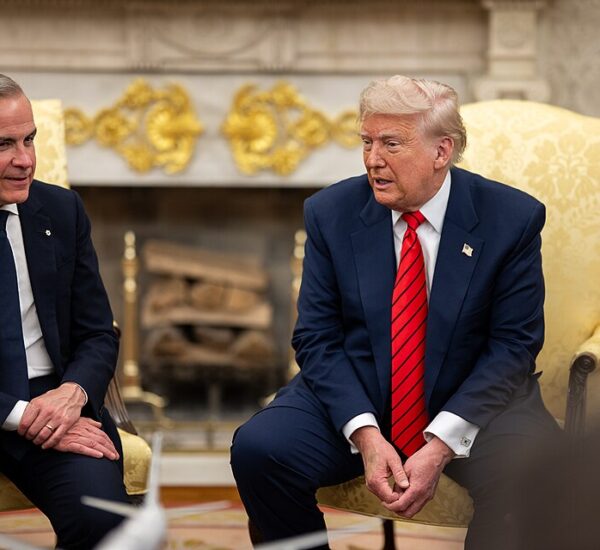
Trump wants change now.
President Donald Trump is putting new pressure on Congress to address one of America’s most pressing infrastructure challenges, calling for billions of dollars in additional funding to modernize the nation’s aging air traffic control system.
The president’s demand comes after a major Federal Aviation Administration (FAA) breakdown brought air travel across the United States to a standstill, disrupting thousands of flights and leaving passengers stranded at airports.
Trump argues that the federal government can no longer afford to rely on outdated technology to manage one of the world’s busiest aviation networks.
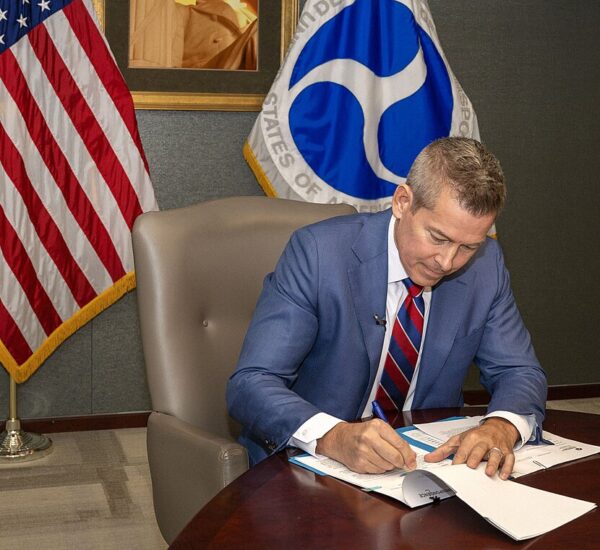
With Transportation Secretary Sean Duffy seeking approximately $50 billion for a major modernization effort, lawmakers now face an important decision involving aviation safety, government spending, and the future of American transportation.
Trump Calls On Congress To Take Immediate Action
On Sunday, November 15, Trump urged Congress to provide the funding necessary to rebuild the country’s air traffic control infrastructure.
Writing on Truth Social, the president criticized the outdated equipment still being used by federal aviation officials and emphasized the importance of completing the modernization effort without unnecessary delays.
Trump declared that much of the existing system is approximately 50 years old, arguing that the United States should have the most advanced air traffic control technology in the world.
The president also expressed frustration with the government’s traditional approach of making smaller improvements over extended periods.
Instead, he wants a comprehensive modernization project that would replace outdated equipment and improve the reliability of the entire network.
Trump said his administration has already begun upgrading parts of the system but warned that completing the project would require additional congressional support.
His message represents another effort to make infrastructure modernization a major priority for lawmakers in Washington.
Nationwide FAA Breakdown Disrupts Thousands Of Flights
The president’s renewed funding push follows a serious aviation emergency that began Friday, November 13.
Federal aviation officials issued a nationwide ground stop after technical problems created instability in communications and radar information used by air traffic controllers.
The FAA took the extraordinary precaution to protect passengers and flight crews while officials worked to identify the problem.
More than 3,500 aircraft were in the air when the disruption began, according to Duffy.
Although planes already flying were safely brought down through established procedures, the temporary suspension of departures created widespread problems for travelers.
Airlines experienced thousands of flight delays and cancellations, leaving passengers scrambling to make alternative arrangements.
The disruptions also affected connecting flights, airport operations, and airline schedules throughout the country.
For Americans traveling to visit family members, attend important events, or conduct business, the breakdown demonstrated how heavily the nation depends on reliable aviation infrastructure.
The nationwide ground stop was lifted Friday evening, but airlines continued working through the resulting delays and cancellations over the weekend.
Transportation Secretary Seeks $50 Billion For Major Overhaul
Transportation Secretary Sean Duffy has made modernization of the air traffic control system a central priority.
Following the nationwide disruption, Duffy called for approximately $50 billion in federal funding to support a comprehensive overhaul of aging aviation equipment.
The proposed improvements would include replacing outdated communications technology, upgrading air traffic control infrastructure, and strengthening the systems responsible for coordinating aircraft across American airspace.
The administration argues that these investments are necessary to prevent additional disruptions and maintain the country’s aviation safety standards.
Congress previously approved $12.5 billion for air traffic control modernization in 2025.
However, Duffy has repeatedly explained that the earlier funding represented only an initial investment toward a much larger project.
He believes a complete modernization effort will require substantially more resources than lawmakers have already approved.
The transportation secretary has also criticized the condition of some air traffic control facilities, pointing to aging towers, deteriorating buildings, and equipment that needs replacement.
According to administration officials, delaying comprehensive improvements could leave the nation’s aviation system vulnerable to additional technical failures.
Investigators Examine Equipment Behind FAA Failure
Federal investigators are also working to determine precisely what caused the widespread aviation disruption.
Officials have focused on telecommunications equipment associated with L3Harris Technologies, a contractor involved in maintaining portions of the FAA’s communications network.
According to Duffy, problems developed during routine maintenance involving the replacement of older copper telecommunications connections with modern fiber-optic technology.
Investigators are examining two routers removed from FAA facilities in Texas and Arkansas.
The equipment is undergoing diagnostic testing to determine how the communications problems spread across the aviation network.
Officials have reported no evidence that the incident resulted from a foreign cyberattack or deliberate sabotage.
Nevertheless, the investigation remains important because identifying the exact cause could help federal officials prevent similar incidents.
The administration has used the disruption to highlight concerns about the reliability of older communications equipment and the risks associated with postponing critical upgrades.
Trump Criticizes Biden Administration Over Aviation Infrastructure
Trump has also criticized former President Joe Biden’s administration for what he views as insufficient progress toward modernizing the FAA.
The president argued that previous federal leadership failed to adequately address longstanding problems involving aging air traffic control equipment.
Trump believes that a more aggressive approach to infrastructure improvements is necessary to avoid additional nationwide disruptions.
However, the debate over federal aviation funding extends across multiple presidential administrations.
During Biden’s presidency, Congress approved a major infrastructure law in 2021 that included $25 billion for airport and aviation-related improvements.
That funding supported projects involving airport facilities, air traffic control towers, and other infrastructure needs.
Despite previous federal investments, significant portions of America’s aviation system continue to rely on aging technology.
The challenge of replacing critical equipment while maintaining safe flight operations has complicated modernization efforts for decades.
Trump’s administration now argues that a comprehensive rebuilding strategy would be more effective than continuing with smaller upgrades.
Lawmakers Raise Questions About Taxpayer Spending
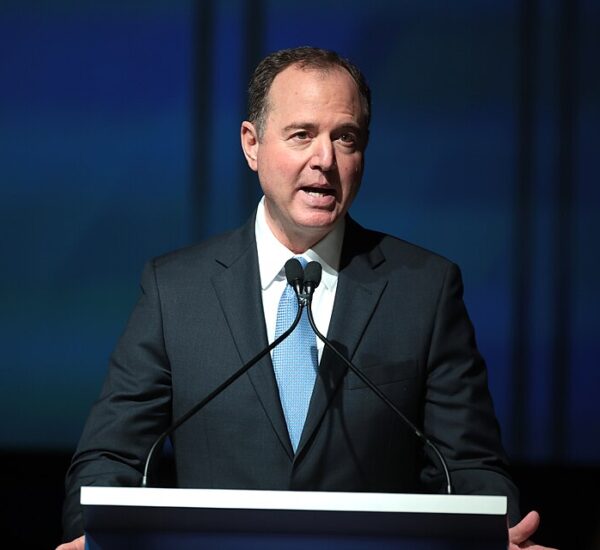
While the Trump administration is pressing for additional funding, some Democratic lawmakers are questioning whether Congress should authorize billions more before examining how previously approved money has been used.
Democrats have pointed to the $12.5 billion already provided for modernization, arguing that federal officials should explain the progress made with those resources.
According to reporting on the funding dispute, roughly $1 billion of the previously approved amount had been spent as of mid-November.
Duffy has responded that the remaining money is already committed to modernization projects and that the funding is insufficient to complete the entire overhaul.
The disagreement highlights a broader issue facing Washington: how to improve essential government services while maintaining responsible oversight of taxpayer dollars.
Aviation modernization requires substantial investment, but lawmakers must also evaluate project costs, timelines, and whether federal agencies are delivering measurable improvements.
For taxpayers, those questions are especially important as Congress considers another multibillion-dollar federal spending commitment.
Supporters of the administration’s approach believe a modern system could deliver long-term benefits through improved reliability and fewer costly disruptions.
Critics want greater transparency about existing appropriations and more detailed information about the administration’s proposed spending.
Aviation Safety Remains A Major Concern For Americans
The latest aviation emergency has renewed attention on the importance of maintaining a safe and dependable national transportation network.
Millions of Americans depend on commercial aviation for family vacations, medical appointments, business trips, and visits with loved ones.
Older Americans, including retirees who frequently travel to see children and grandchildren, can face especially significant inconvenience when flights are unexpectedly canceled or delayed.
Widespread aviation disruptions can also create financial challenges for airlines, airports, businesses, and individual passengers.
Beyond commercial travel, air traffic control infrastructure supports essential transportation services, including medical flights and other critical operations.
Ensuring that these systems remain dependable is therefore a matter of both public safety and national economic stability.
The Trump administration maintains that upgrading the nation’s aging aviation infrastructure should be treated as an urgent federal responsibility.
However, the scale of the proposed funding request means that Congress will likely face continued scrutiny over how the money would be allocated and monitored.
Congress Faces Major Decision On America’s Aviation Future
The administration’s latest request places significant responsibility on lawmakers as they evaluate the future of American air travel.
Trump wants Congress to act quickly and provide the resources necessary to replace equipment that federal officials say has become increasingly unreliable.
Duffy argues that a comprehensive modernization program could address problems that have persisted through multiple administrations.
Congress must now decide whether to approve the administration’s additional funding request, seek more detailed spending plans, or pursue another approach.
The debate comes at a time when concerns about government efficiency, public safety, and federal spending remain prominent in Washington.
For the traveling public, the central question is whether elected officials can deliver a safer and more reliable aviation system without wasting taxpayer money.
Trump has made his position clear: He wants the United States to move forward with a major air traffic control overhaul rather than continue relying on decades-old technology.
As Congress weighs the administration’s request, the outcome could shape America’s aviation infrastructure, federal spending priorities, and the reliability of air travel for years to come.