Trump Sues New Jersey
The U.S. Department of Justice is stepping in to challenge a controversial New Jersey law that could dramatically change how law enforcement operates—raising serious concerns about officer safety and federal authority.
In a lawsuit filed in Newark, federal officials are seeking to block enforcement of the state’s Law Enforcement Officer Protection Act, arguing that it violates the Constitution by attempting to regulate federal agents.
What the New Law Requires
The New Jersey measure places strict limits on law enforcement by:
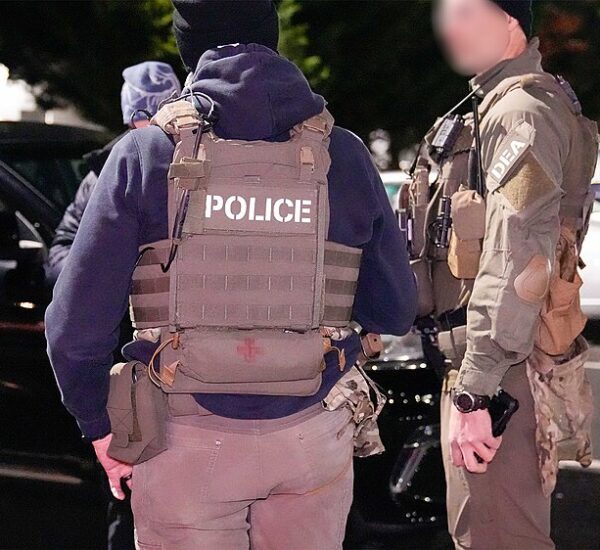
- Banning officers from wearing face coverings in most situations
- Requiring officers to identify themselves before making arrests or detentions
While the law applies to state and local police, federal officials warn it could interfere with national law enforcement operations.
Federal Officials Warn of Serious Safety Risks
According to the lawsuit, the DOJ believes the law puts officers in harm’s way by forcing them to reveal their identities—even in potentially dangerous situations.
Brett Shumate emphasized that protecting officers is a top priority, pointing to growing concerns over:
- Doxxing (public exposure of personal information)
- Harassment and threats
- Potential physical attacks against law enforcement
Federal officials argue that anonymity is sometimes necessary to safely carry out sensitive operations.
State Leaders Push Back
New Jersey officials strongly disagree.
Jennifer Davenport defended the law, saying it promotes transparency and accountability while still allowing exceptions when necessary for safety.
She also raised concerns about “anonymous policing,” questioning when federal agents truly need to conceal their identities.
A Bigger Fight Over Federal Power
This legal battle is about more than just masks—it’s shaping up to be a major showdown over states’ rights versus federal authority.
A similar law in California was already blocked earlier this year, suggesting courts may be skeptical of these types of restrictions.
If the DOJ succeeds, it could set a nationwide precedent—limiting how far states can go in regulating law enforcement practices.
Why This Matters Now
For many Americans—especially those concerned about law and order—this case highlights a growing tension:
- Should law enforcement be fully transparent at all times?
- Or do officers need flexibility to protect themselves and do their jobs safely?
The outcome could impact policing policies across the country and redefine how federal and state powers interact moving forward.