Trump Celebrates New Court Ruling
President Donald Trump is celebrating a major legal victory after the Supreme Court of the United States ruled against a controversial Louisiana congressional map, declaring it unconstitutional due to its use of race in the redistricting process.
The 6-3 decision marks a significant moment in the ongoing national debate over voting laws, fairness in elections, and the limits of government power.
A “Big Win” for Equal Protection
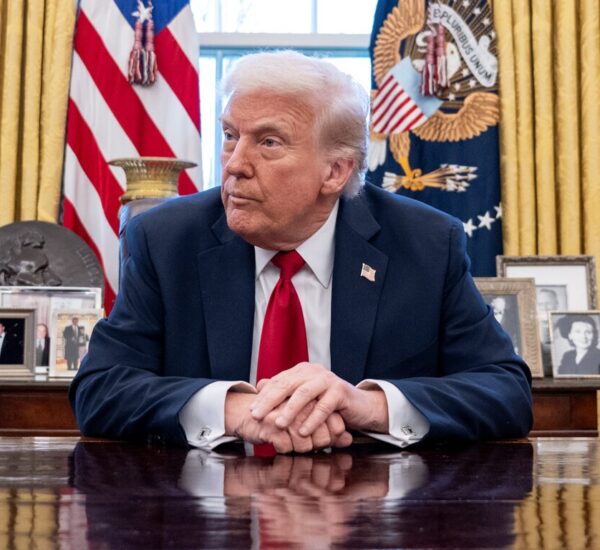
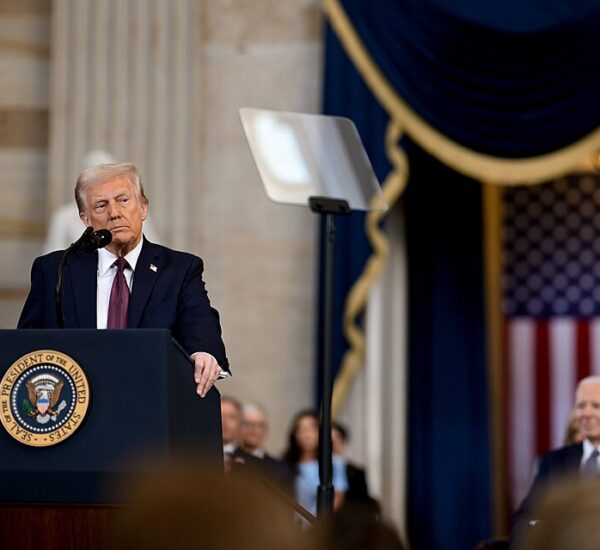
Reacting to the ruling, President Trump praised the Court’s decision, calling it a return to the original intent of the Voting Rights Act.
In a statement shared on Truth Social, Trump described the ruling as a major victory for equal treatment under the law, emphasizing that the Constitution should protect all Americans from race-based government decisions. He also commended Samuel Alito for leading the majority opinion, calling it both “important” and “appropriate.”
How the Case Reached the Supreme Court
The dispute began with Louisiana’s 2022 congressional map, which included only one majority-Black district out of six. A group of voters challenged the map, arguing it violated Section 2 of the Voting Rights Act by limiting minority representation.
Lower courts sided with the plaintiffs, and the U.S. Court of Appeals for the Fifth Circuit ordered the state to redraw its districts.
In response, Louisiana created a second majority-Black district in 2024. That decision sparked a new legal challenge—this time arguing the state had gone too far by making race the dominant factor.
What the Supreme Court Decided
In the majority opinion, Justice Alito made it clear that the Constitution places strict limits on race-based decision-making by the government.
The Court examined whether complying with the Voting Rights Act justified the use of race in drawing the map. Ultimately, the justices determined it did not.
While plaintiffs presented data showing differences in voting patterns between racial groups, the Court found that analysis did not adequately separate race from political affiliation. In addition, historical evidence failed to prove intentional discrimination by the state.
The ruling concluded that Louisiana was not required to create a second majority-minority district—and therefore had no compelling reason to rely on race in its redistricting decisions.
Why This Ruling Matters
This decision could have far-reaching consequences across the country.
- States may now face tighter limits when considering race in redistricting
- Legal challenges involving the Voting Rights Act could become more difficult
- The balance between fair representation and constitutional protections is likely to remain a hot-button issue
Supporters of the ruling argue it reinforces equal protection and prevents government overreach. Critics, however, warn it may reshape how minority representation is handled in future elections.
The Bigger Picture
As debates over election integrity and fairness continue nationwide, this ruling signals a shift in how courts may interpret voting laws moving forward.
For many Americans—especially those concerned about constitutional limits and equal treatment—this decision represents a pivotal moment in the fight over how elections are structured in the United States.