Trump DOJ Finally Answers Court Question
The Trump administration has officially abandoned plans for a controversial $1.8 billion compensation fund that was intended to assist Americans who claimed they were unfairly targeted by the federal government.
The decision follows growing criticism from lawmakers in both parties and a legal challenge filed in federal court. According to a new Department of Justice filing released Friday, the proposed fund was never fully established and will not move forward.
The development marks a significant shift for the administration after weeks of debate over how taxpayer dollars could potentially be distributed and who might qualify for payments.
DOJ Says Fund Is No Longer Moving Forward
Justice Department attorneys told a federal judge that the compensation fund had never become operational.
Government lawyers noted that no money was distributed, no claims were approved, and no members were appointed to oversee the program.
Because the fund is effectively dead, the DOJ argued that the lawsuit challenging the program should be dismissed.
According to the filing, plaintiffs based many of their concerns on assumptions because so few details had been finalized before the lawsuit was filed.
The Justice Department emphasized that it is defending the case on legal grounds rather than attempting to preserve the fund itself.
What Was the Anti-Weaponization Fund?
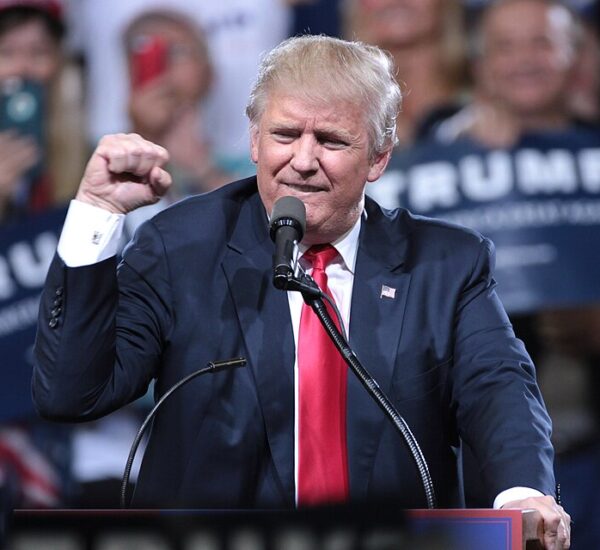
The proposal emerged from a settlement involving President Donald Trump and the Internal Revenue Service.
Acting Attorney General Todd Blanche previously described the fund as a way to compensate Americans who believed they had been unfairly targeted by federal agencies during previous administrations.
Administration officials maintained that the program was not designed to benefit any particular political group and that claims would be evaluated regardless of party affiliation.
Supporters argued the fund represented an effort to address concerns about government overreach, unequal treatment, and political targeting within federal institutions.
Bipartisan Concerns Grew On Capitol Hill
Questions surrounding the fund intensified as lawmakers examined who could potentially qualify for compensation.
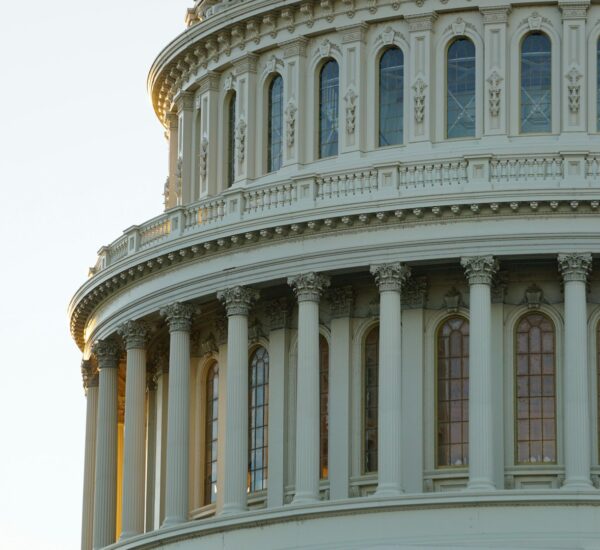
Members of Congress from both parties expressed concern that taxpayer money could eventually be awarded to individuals connected to the January 6 Capitol riot, including some who had been convicted of assaulting police officers.
Those concerns generated significant attention on Capitol Hill and contributed to mounting pressure on the administration.
Critics argued that any compensation program involving federal funds must include strict safeguards and transparency measures.
The controversy quickly transformed what began as a government accountability initiative into a political flashpoint.
Former Federal Prosecutor Led Lawsuit
The legal challenge was filed by a former federal prosecutor who was dismissed during the early months of President Trump’s second term, along with several additional plaintiffs.
The lawsuit sought to block the administration from distributing any money through the proposed compensation program.
However, Justice Department attorneys argued that the plaintiffs lacked legal standing because they could not demonstrate direct harm.
Government lawyers contend that argument is even stronger now that the program has been terminated.
Without an active fund, the DOJ argues there is no relief for the court to provide.
Federal Judge Still Reviewing Case
Despite the administration’s decision to abandon the proposal, the court case remains active for now.
Last week, U.S. District Judge Leonie Brinkema issued a temporary order preventing the Justice Department from taking additional steps related to the fund while legal questions are considered.
A hearing is scheduled for June 12.
The court will determine whether any remaining issues require further review even though the compensation program is no longer moving forward.
What Happens Next?
The collapse of the $1.776 billion anti-weaponization fund closes one of the most closely watched legal and political controversies facing the Trump administration in recent weeks.
For supporters, the proposal represented an attempt to address long-standing concerns about federal agencies being used against ordinary Americans.
For critics, questions about taxpayer-funded compensation and eligibility standards ultimately overshadowed the program’s original purpose.
With the fund now officially shelved, attention is expected to shift toward broader debates over government accountability, federal agency reform, taxpayer protections, and the limits of executive authority.
As Congress and the courts continue examining those issues, the debate surrounding political weaponization inside the federal government is unlikely to disappear anytime soon.