Republican Joins Democrats To Stop Trump
A major legal battle is unfolding over a controversial Justice Department program that critics say could hand out nearly $1.8 billion in taxpayer-funded payments.
In a rare bipartisan move, Sen. Bill Cassidy (R-La.) and Sen. Cory Booker (D-N.J.) have joined efforts to stop the fund, arguing that it threatens Congress’s constitutional authority and raises serious questions about how federal money is being distributed.
The dispute comes as the Trump administration appears to be backing away from the proposal, though questions remain about whether the plan could eventually move forward.
Senators Warn of Constitutional Concerns
The two lawmakers filed a legal brief Wednesday urging a federal judge to block the program.
According to the filing, the proposed “Anti-Weaponization Fund” represents a significant challenge to Congress’s power over federal spending.
Their attorneys argued that allowing the program to proceed could set a dangerous precedent by permitting executive branch officials to distribute massive sums of money without proper congressional oversight.
The filing describes the fund as an immediate threat to the constitutional balance of power between Congress and the executive branch.
What Is the DOJ’s Anti-Weaponization Fund?
The controversy centers on a $1.776 billion compensation fund created through a settlement involving the Internal Revenue Service and President Donald Trump.
The settlement was intended to resolve multiple disputes, including litigation tied to the disclosure of Trump’s tax information.
Under the proposal, individuals who believe they were targeted by politically motivated government actions could apply for compensation and receive formal apologies from the federal government.
Justice Department officials have insisted the program was designed to address concerns about government abuse and would not favor any political group.
However, critics remain skeptical.
Why Critics Are Sounding the Alarm
Opponents argue the fund could open the door for taxpayer dollars to be directed toward political allies or individuals involved in highly controversial cases.
Particular concern has focused on whether people connected to the January 6 Capitol riot could seek compensation under the program.
Critics say such payments would undermine public confidence in the justice system and potentially reward unlawful behavior.
The bipartisan court filing warns that portraying criminal prosecutions as political persecution could encourage future misconduct while weakening accountability.
Federal Judge Steps In
The legal battle intensified last week when U.S. District Judge Leonie Brinkema temporarily blocked the Justice Department from issuing payments from the fund.
The judge ruled that the current situation should remain unchanged until the court has an opportunity to fully review the legal challenges.
For now, no money can be distributed while the case remains under consideration.
DOJ Appears to Reverse Course
Although the Justice Department initially defended the proposal, officials now appear to be distancing themselves from it.
Acting Attorney General Todd Blanche recently informed lawmakers that the department is no longer moving forward with the plan.
His comments came after fierce criticism from both Democrats and Republicans, with many lawmakers questioning whether the fund was appropriate or necessary.
The apparent reversal has left the future of the proposal uncertain.
Trump Responds to Questions
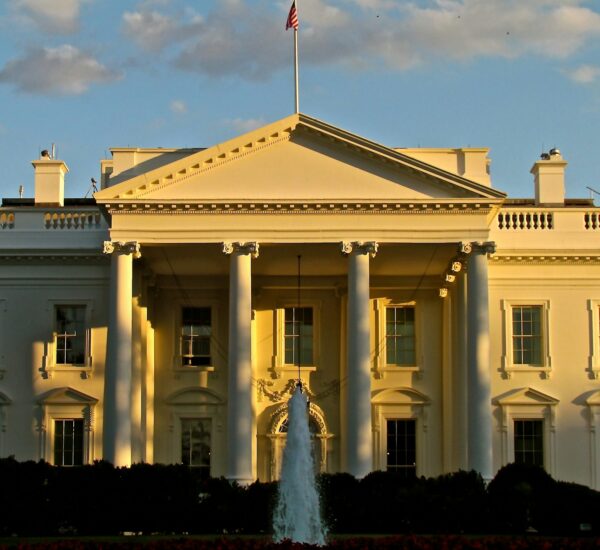
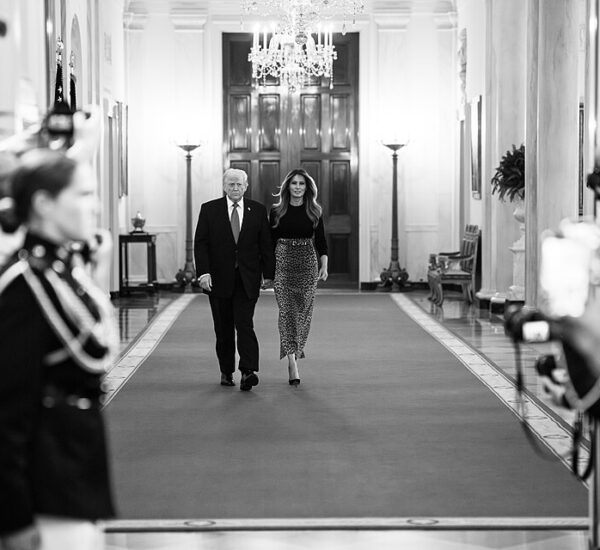
President Trump addressed the controversy Wednesday during remarks at the White House.
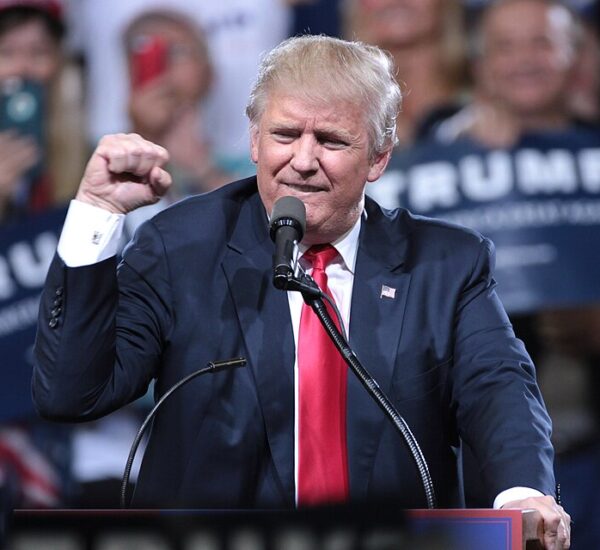
When asked whether the compensation fund was officially dead, Trump declined to provide a definitive answer.
“I’d have to ask the lawyers,” the president said.
Trump also criticized the court’s decision, arguing that the ruling came from a judge he views as politically opposed to his administration.
What Happens Next?
Even if the Justice Department abandons the proposal, the court fight could continue as judges consider broader questions about executive authority and federal spending powers.
The outcome may help determine how future administrations handle similar compensation programs and could establish important limits on the executive branch’s ability to create large financial settlements.
For many Americans, the case has become another flashpoint in the larger debate over government accountability, political prosecutions, taxpayer spending, and the limits of federal power.
As the legal battle continues, lawmakers from both parties will be watching closely.