They are trying to bring back a major policy Trump just ended.
Former Attorney General Eric Holder is weighing in on the future of the Democratic Party, outlining what he believes its next presidential nominee must prioritize heading into the 2028 election.
The longtime ally of former President Barack Obama is advocating for the restoration of diversity, equity and inclusion (DEI) policies, an issue that has become a major point of disagreement between Republicans and Democrats.
Holder’s comments come as President Donald Trump’s administration continues its efforts to reshape the federal government and place greater emphasis on merit-based employment practices.
The discussion could become increasingly important as potential presidential candidates begin developing their campaign platforms.
Holder Outlines His Expectations for 2028
During a podcast conversation with Nicolle Wallace, Holder indicated that restoring DEI should be a priority for the next Democratic presidential nominee.
According to Fox News, the former attorney general also expressed support for examining the actions of the current administration and pursuing changes to the nation’s political system.
His remarks offer insight into how some prominent Democratic figures envision the future of their party.
However, adopting such a platform could present political challenges for candidates attempting to appeal to voters across the country.
Presidential elections typically require candidates to build broad coalitions that include independent voters, moderates and Americans whose political priorities may differ considerably from those of party activists.
Trump Administration Takes a Different Approach
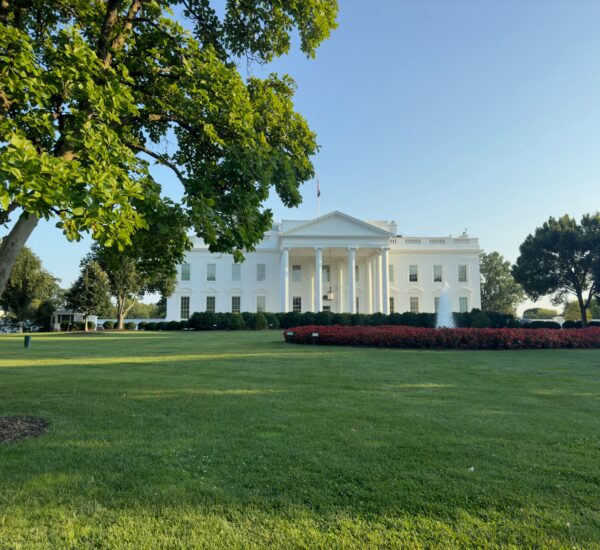
Since returning to the White House, President Trump has pursued significant changes to federal diversity programs and government employment policies.
His administration has emphasized individual merit, professional qualifications, government efficiency and equal treatment.
Critics of DEI programs have raised questions about administrative costs, hiring standards and whether certain initiatives create unnecessary divisions within workplaces.
The White House defended its approach in response to Holder’s remarks, emphasizing its commitment to merit and equal treatment regardless of racial or ethnic background.
Advocates of DEI, on the other hand, argue that appropriately designed programs can expand professional opportunities and help organizations address longstanding barriers to employment and advancement.
The debate extends beyond Washington, affecting discussions within private businesses, educational institutions and government agencies.
For employers, questions surrounding recruitment, workplace regulations and compliance requirements can also have significant financial and operational implications.
Economic Issues Remain Important to Americans
While the debate surrounding DEI continues, economic concerns are likely to remain an important consideration throughout the next presidential election cycle.
Household expenses, healthcare affordability, housing costs, retirement security and federal spending are among the issues that directly affect millions of Americans.
Presidential candidates will face questions about how their proposed policies could influence economic growth, employment opportunities and the financial stability of American families.
Government efficiency could also become an important campaign topic, particularly as lawmakers consider federal budgets, national debt and the long-term cost of public programs.
Any proposal to restore or expand federal initiatives would raise practical questions about funding, implementation and measurable results.
Candidates advocating for such changes may need to explain how their proposals would benefit the public while addressing concerns about government spending and administrative oversight.
Could DEI Become a Major 2028 Campaign Issue?
Although the next presidential election remains two years away, discussions about the direction of both major political parties are already taking shape.
Holder’s public position illustrates how differently political leaders view the future of federal workplace policies and the government’s role in promoting economic opportunity.
Democratic presidential hopefuls will ultimately need to determine whether restoring DEI initiatives should become a central campaign promise or remain one component of a broader policy agenda.
Republican candidates, meanwhile, may continue emphasizing their alternative approach to employment standards, government accountability and regulatory reform.
The approaching presidential race will provide voters with an opportunity to compare these competing proposals and examine their potential consequences.
For now, Holder has made his preferred direction clear. Whether the eventual Democratic nominee embraces that approach, modifies it or concentrates on other national priorities remains an open question.
As the 2028 presidential election draws closer, Americans can expect further discussions about government efficiency, economic opportunity, individual merit and the future of federal diversity policies.