Here’s what happened.
A growing economic dispute between the United States and South Korea is putting one of America’s most important international partnerships under renewed pressure.
The Trump administration has accused South Korea of failing to honor a major commitment to protect American technology companies from discriminatory business practices. The controversy comes as American e-commerce giant Coupang faces approximately $688 million in regulatory fines.
The escalating disagreement raises serious questions about international trade, American business interests and the economic responsibilities of America’s closest allies.
White House Demands Fair Treatment for American Businesses
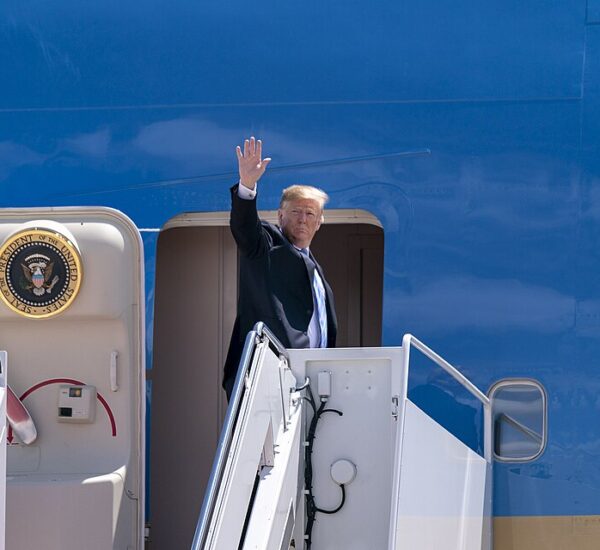
In November 2025, President Donald Trump secured economic commitments from South Korean President Lee Jae Myung designed to promote fair competition and strengthen trade relations between the two nations.
Those commitments included assurances regarding the treatment of American technology companies operating in South Korea.
However, according to Fox News, White House officials now believe the South Korean government has failed to uphold those assurances.
The State Department is reportedly examining potential policy responses, signaling that the disagreement could develop into a broader diplomatic and economic challenge.
Fair access to international markets has been a central component of Trump’s trade agenda. His administration has consistently emphasized the importance of reciprocal trade agreements that protect American businesses while encouraging economic growth and investment.
American Technology Company Faces Millions in Fines
Coupang, headquartered in Seattle, Washington, has become one of the largest online retailers in South Korea.
The company operates an extensive delivery network and is publicly traded on the New York Stock Exchange, giving American investors a financial stake in its performance.
Among the penalties facing Coupang is a preliminary $224 million fine involving its food delivery operations.
South Korean authorities maintain that their enforcement actions address competition-related concerns. However, the Trump administration has questioned whether American companies are being subjected to discriminatory regulatory practices.
The financial dispute highlights a significant challenge facing American corporations operating internationally: navigating foreign regulations while protecting investments and maintaining competitive access to overseas markets.
Republican Lawmakers Raise Economic Concerns
Concerns surrounding South Korea’s treatment of American technology companies extend beyond the White House.
California Republican Congressman Darrell Issa has been among the lawmakers raising questions about South Korea’s regulatory policies.
The controversy comes at a time when international competition in technology, manufacturing and digital commerce is becoming increasingly important to America’s long-term economic interests.
When businesses encounter unpredictable regulations overseas, the consequences can extend beyond corporate earnings.
Higher operating expenses, reduced investment opportunities and uncertainty surrounding foreign markets can affect shareholders, employees, suppliers and American exporters.
For businesses seeking international expansion, consistent regulations and dependable trade agreements remain essential.
South Korea Rejects White House Accusations
Despite Washington’s concerns, South Korean officials maintain that their government has not violated its commitments to the United States.
Representatives of the South Korean Embassy argue that regulatory enforcement has been conducted in accordance with domestic law and that companies retain the right to challenge government decisions.
South Korea has also reaffirmed its commitment to maintaining strong economic and diplomatic relations with Washington.
The competing positions highlight the importance of distinguishing legitimate regulatory enforcement from potentially discriminatory business practices.
Resolving that disagreement could require further diplomatic negotiations and a closer examination of the existing trade commitments.
Why This Trade Dispute Matters to Americans
The United States and South Korea maintain extensive economic ties involving semiconductor production, automobile manufacturing, consumer electronics and agricultural exports.
These industries support employment, international investment and business opportunities throughout the American economy.
A prolonged trade disagreement could introduce additional uncertainty for companies, consumers and investors with exposure to international markets.
Beyond the immediate financial penalties, the controversy raises a broader question about whether international economic agreements provide sufficient protection for businesses operating abroad.
The Trump administration’s response could establish an important precedent for future disputes involving American companies and foreign regulators.
While both governments have expressed support for maintaining their longstanding partnership, significant differences remain over how South Korea’s regulations have been applied.
The outcome of this dispute will help determine whether Washington and Seoul can resolve their economic differences without undermining decades of strategic cooperation.
For American businesses and investors, the central issue remains straightforward: whether international trade commitments will translate into fair, predictable and consistent treatment in the global marketplace.