Here’s what happened.
President Donald Trump has forced a prominent member of his administration to step down following serious allegations of misconduct, delivering a surprising political setback to one of his longtime supporters.
Kimberly Guilfoyle, the U.S. ambassador to Greece and former fiancée of Donald Trump Jr., confirmed Tuesday, October 13, that she is leaving her position after the White House requested her resignation.
The unexpected departure follows reports alleging questionable financial dealings, inappropriate relationships with influential business figures, and concerns about her conduct while serving as America’s top diplomat in Greece.
Guilfoyle has denied wrongdoing and pledged to defend her reputation.
The situation has attracted national attention not only because of the allegations but also because of Guilfoyle’s longstanding relationship with the Trump family and her prominent role in Republican politics.
The president’s decision has now raised a significant question about accountability within his administration.
Trump Makes Unexpected Decision Against Longtime Ally
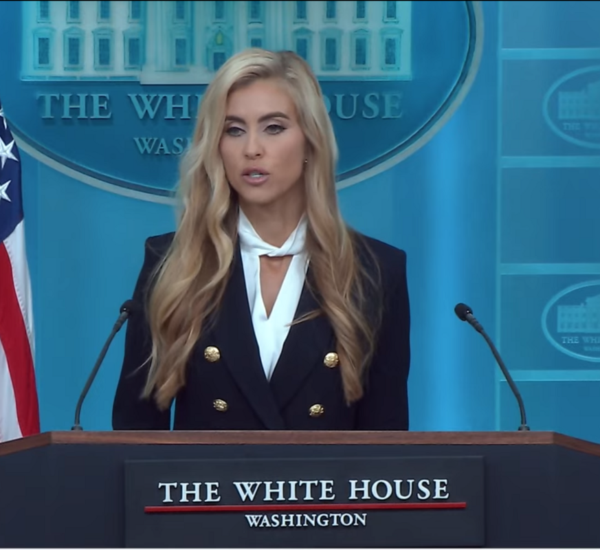
The White House confirmed Guilfoyle’s departure during a press briefing Tuesday morning.
White House press secretary Katie Zacharia announced that the administration had formally requested the ambassador’s resignation.
While acknowledging Guilfoyle’s service, Zacharia indicated that the White House was ready to move forward.
President Trump later addressed the controversy while speaking with reporters outside the White House.
Trump acknowledged that Guilfoyle had done a good job in Greece but said he was troubled by recent reports about her activities.
The president had already suggested Monday that her position was under review.
By Tuesday, the administration had reached a decision.
The development is particularly striking because Guilfoyle spent years publicly supporting Trump, helping advance his political message and participating in major Republican campaign events.
Her connections to the president made her a well-known figure among conservative voters.
However, those relationships did not prevent her removal from one of America’s important diplomatic assignments.
Allegations Involving $100,000 Raise Serious Questions
One of the most significant issues surrounding Guilfoyle involves an alleged financial request made to a Republican donor.
According to reporting from The Wall Street Journal, Guilfoyle allegedly sought approximately $100,000 from businessman and Trump supporter Eric Deters to help cover a personal American Express credit card bill.
The allegations became especially controversial because of claims that Guilfoyle offered access to influential administration officials while seeking financial assistance.
Deters later discussed the alleged arrangement with news organizations, raising questions about the circumstances surrounding the request.
The reported communications occurred in 2025, before Guilfoyle completed the Senate confirmation process for her diplomatic assignment.
Guilfoyle’s attorneys have disputed allegations of improper conduct.
Her legal representatives have maintained that the money involved concerned compensation she believed she was owed for speaking engagements and public appearances that preceded her ambassadorial nomination.
The distinction is important.
Although the reports have generated controversy, the publicly reported allegations do not establish that Guilfoyle committed a crime.
Questions about the matter remain unresolved.
Nevertheless, the controversy became serious enough that the Trump administration decided her continued service was no longer appropriate.
Additional Controversies Surround Diplomatic Assignment
The financial allegations were not the only concerns reported about Guilfoyle’s time in Greece.
Other news reports have raised questions about her relationships with wealthy Greek business figures and individuals associated with the country’s energy industry.
Some allegations involve whether private individuals received unusual access or influence through their connections with the American ambassador.
Separate reports have also described complaints involving the working environment at the U.S. Embassy in Athens.
According to the Associated Press, a U.S. official said the State Department’s inspector general was examining allegations involving Guilfoyle, although the official could not confirm whether a formal investigation had begun.
The State Department has not publicly confirmed a formal investigation.
Guilfoyle has rejected accusations of misconduct, and her attorneys have also defended her travel arrangements, saying she followed State Department guidance.
These competing accounts remain central to the controversy.
For Americans concerned about government ethics, the larger issue involves the standards expected of individuals representing the United States overseas.
Ambassadors serve as official representatives of the president and the American people, making public confidence an essential part of their responsibilities.
Guilfoyle Breaks Silence After Trump’s Announcement
Following the White House announcement, Guilfoyle addressed her departure in a public statement.
She expressed gratitude to President Trump and Secretary of State Marco Rubio for the opportunity to serve as ambassador to Greece.
Guilfoyle described the assignment as an important honor in her professional career.
She also made clear that her resignation should not be interpreted as an admission of wrongdoing.
In her statement, Guilfoyle insisted that the allegations against her were false and promised to vigorously defend her reputation.
She emphasized her years of public service and rejected the suggestion that the controversy should define her career.
Despite being asked to resign, Guilfoyle reaffirmed her commitment to President Trump and his political agenda.
Her comments indicated that she intends to remain loyal to the president and the America First movement even after leaving government service.
That response could prove important as Republicans evaluate the circumstances surrounding her departure.
Longtime Trump Supporter Faces Major Career Setback
Guilfoyle’s departure represents a dramatic change for a political figure who has spent years working alongside prominent Republicans.
Before entering diplomacy, Guilfoyle worked as a prosecutor and television personality.
She later became a recognizable conservative commentator and an active supporter of Trump’s presidential campaigns.
Her relationship with Donald Trump Jr. further increased her public profile.
The couple were engaged before their relationship ended in 2024.
In December of that year, Trump announced his decision to nominate Guilfoyle as ambassador to Greece.
She was subsequently confirmed by the Senate in September 2025.
Her appointment placed her in a significant international position, with responsibilities extending beyond ceremonial appearances and political relationships.
As ambassador, Guilfoyle participated in diplomatic discussions involving trade, energy development, regional security, and cooperation between the United States and Greece.
Her removal now brings that assignment to an abrupt end.
Why Greece Matters To American National Security
The controversy also carries implications beyond domestic politics.
Greece is an important American ally and a member of the North Atlantic Treaty Organization, commonly known as NATO.
Its geographic position makes the country strategically valuable for military operations and regional security in southeastern Europe and the eastern Mediterranean.
American-Greek cooperation also involves energy infrastructure, shipping, counterterrorism, and international trade.
During her time as ambassador, Guilfoyle promoted stronger energy ties between the two countries.
Those efforts included support for American liquefied natural gas exports and other energy investments.
Supporters of expanded U.S. energy production have long viewed overseas markets as important opportunities for American businesses and economic growth.
Maintaining productive diplomatic relations with Greece therefore remains important regardless of who occupies the ambassador’s office.
The Trump administration will now have to manage the transition while continuing its foreign policy priorities.
Trump’s Decision Highlights Questions About Government Accountability
The president’s action has introduced a broader discussion about political loyalty and professional responsibility.
Guilfoyle’s history with Trump’s political movement was extensive.
She participated in Republican campaigns, maintained relationships with influential conservatives, and supported the president’s policy goals.
Yet the White House ultimately concluded that she should leave her diplomatic assignment.
The decision may be interpreted by some administration supporters as evidence that political connections do not automatically protect officials from losing their positions.
Others may question whether the situation should have been addressed earlier or whether additional oversight is necessary.
Both questions reflect the importance of transparency in government.
For taxpayers, the fundamental concern is whether public officials are fulfilling their responsibilities ethically and effectively.
Political appointments carry substantial authority, and individuals selected for diplomatic positions are expected to represent American interests rather than personal financial or business relationships.
At the same time, allegations should be examined fairly, and individuals accused of misconduct deserve an opportunity to respond.
Guilfoyle has exercised that opportunity by publicly denying the claims against her.
What Happens Next For Kimberly Guilfoyle?
Although Guilfoyle has confirmed that her diplomatic assignment is ending, several questions remain.
One concerns whether additional information will emerge regarding the reported financial dealings and embassy complaints.
Another involves whether congressional oversight or State Department inquiries will produce any formal findings.
According to reports, Democratic lawmakers have already expressed interest in examining some of the allegations.
However, it remains unclear whether those efforts will result in additional action.
The White House must also address the question of who will replace Guilfoyle as America’s ambassador to Greece.
As of Tuesday’s announcement, a permanent successor had not been publicly identified.
The administration will likely seek someone capable of maintaining strong diplomatic relationships while advancing U.S. interests in the region.
For Guilfoyle, the immediate challenge is defending her public reputation after a high-profile departure from federal service.
Her political future remains uncertain, although her statement indicates that she intends to continue supporting Trump.
A Surprising Shakeup Inside The Trump Administration
President Trump’s decision to request Kimberly Guilfoyle’s resignation marks a significant development involving one of his administration’s most recognizable political allies.
The controversy combines allegations of financial misconduct, questions about diplomatic ethics, and the complicated relationships that often surround political appointments.
While Guilfoyle continues to deny wrongdoing, the White House has made its decision.
Her departure also reinforces the considerable authority presidents possess over the diplomatic officials serving their administrations.
For Americans following developments in Washington, the central issue is not simply the removal of one ambassador.
It is whether the federal government can maintain clear standards of accountability while ensuring that American interests remain the priority.
With Guilfoyle leaving her position and questions surrounding the allegations still unresolved, attention now turns to what investigators may uncover and how President Trump handles the next appointment.
The episode serves as another reminder that political influence and longstanding personal relationships do not eliminate the responsibilities that come with holding public office.