Trump Signs Beef Proclamation
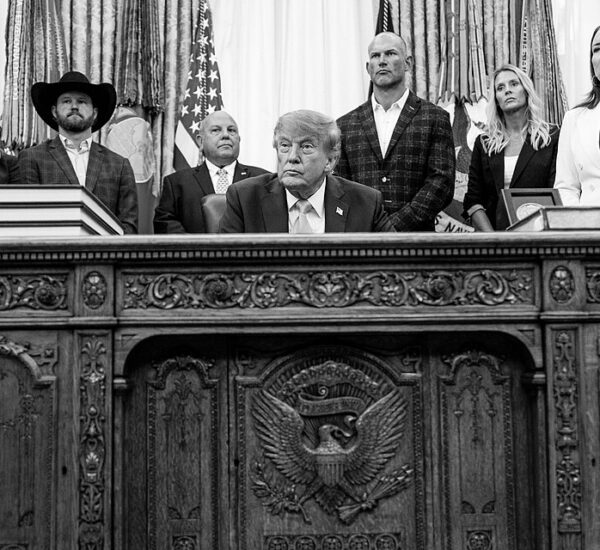
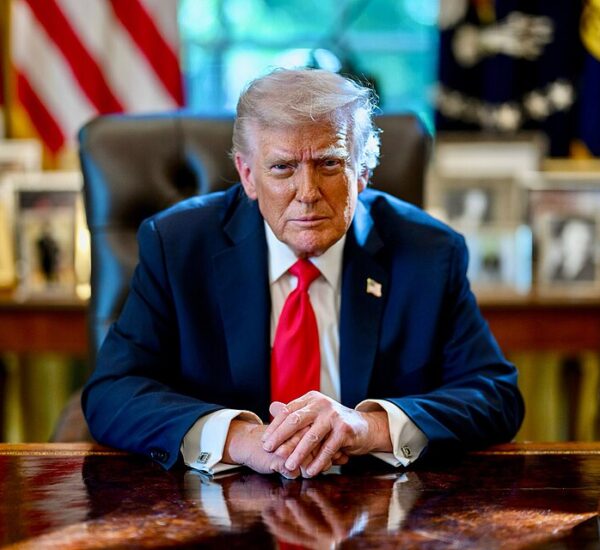
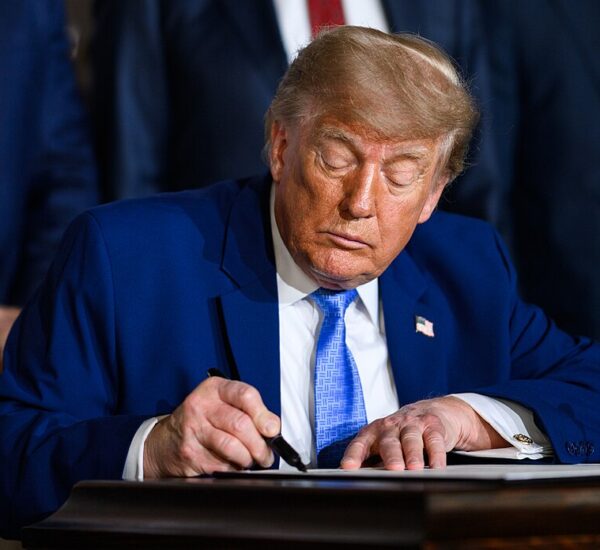
President Donald Trump signed a proclamation Wednesday aimed at addressing record-high beef prices, temporarily allowing substantially more lean beef trimmings to enter the United States without the additional tariff normally applied above existing import quotas.
The White House said the action is designed to increase available beef supplies at a time when American consumers are paying unusually high prices at grocery stores.
Under the proclamation, the quantity of qualifying beef trimmings allowed into the United States without an above-quota tariff will increase by 300,000 metric tons.
The decision could provide some relief for consumers struggling with higher food costs, but it is also drawing opposition from American ranchers and agricultural organizations concerned about increased competition from foreign beef.
The debate puts two major economic priorities in the spotlight: lowering grocery prices for American families while protecting U.S. farmers and ranchers.
Trump Targets High Beef Prices at the Grocery Store
Beef has become an increasingly expensive part of the household grocery budget.
American consumers have faced record-high beef prices this year as the nation’s cattle supply has fallen to its lowest level in approximately 75 years. Drought, wildfires and other difficult conditions have contributed to the decline in cattle inventories.
When cattle supplies fall while consumer demand remains strong, prices can increase throughout the food supply chain.
That can eventually translate into higher prices for ground beef, steaks, roasts and other popular products at supermarkets and restaurants.
For retirees, seniors and other Americans living on fixed incomes, rising grocery bills can be especially noticeable because food represents a recurring expense that cannot simply be eliminated from a household budget.
Trump’s latest action seeks to increase supply as the domestic cattle industry works through those challenges.
What Trump’s Beef Import Proclamation Changes
The proclamation temporarily expands the amount of lean beef trimmings that can be imported without triggering the higher tariff that normally applies to shipments exceeding established quota levels.
The additional amount totals 300,000 metric tons.
Lean beef trimmings are commonly used in the production of ground beef, one of the most widely purchased beef products in the United States.
Increasing the available supply could help reduce some pressure in the market, although there is no guarantee that consumers will immediately see significantly lower prices at their local grocery stores.
Retail beef prices are influenced by numerous factors, including cattle supplies, processing expenses, transportation costs, labor, consumer demand and broader economic conditions.
American Ranchers Push Back on Trump’s Decision
Trump’s move has encountered resistance from parts of the agricultural community.
The American Farm Bureau Federation warned the president that easing tariffs on additional beef imports could undermine U.S. ranchers.
Farm and ranch organizations also voiced opposition after Trump indicated last week that his administration was considering increasing beef imports.
Their concern is straightforward: while additional foreign beef could increase supply and potentially help consumers, greater import competition could put additional pressure on domestic cattle producers.
American ranchers have already dealt with drought, wildfires, higher operating expenses and the challenge of rebuilding cattle herds after years of declining inventories.
For many producers, the question is whether short-term consumer relief could come with longer-term consequences for America’s domestic beef industry.
Trump Faces a Difficult Choice Between Consumers and Ranchers
The controversy illustrates the difficult decisions involved in food and trade policy.
Millions of Americans want lower grocery prices, particularly after years of inflation made everyday necessities more expensive.
At the same time, farmers and ranchers remain an essential part of America’s domestic food supply and the economies of rural communities across the country.
Increasing imports can potentially provide additional supply during a shortage. However, agricultural organizations argue that policymakers must also consider whether increased foreign competition could discourage domestic production.
For the Trump administration, the challenge is finding a balance that helps consumers without putting America’s cattle producers at an unnecessary disadvantage.
Mexican Livestock Restrictions Have Complicated Beef Supplies
The administration has also been dealing with another issue affecting cattle supplies: livestock entering the United States from Mexico.
Trump previously imposed restrictions on livestock imports from Mexico as federal officials sought to prevent the spread of New World screwworm.
The parasite poses a serious threat to livestock, making protection of the American cattle herd an important agricultural and food-security concern.
The United States began a phased reopening of certain livestock ports along the southern border this week.
The reopening could gradually allow additional livestock movement while federal officials continue efforts to prevent the parasite from threatening American cattle.
Why America’s Cattle Supply Matters
The size of the U.S. cattle herd has significant consequences for consumers.
Rebuilding cattle inventories is not something producers can accomplish overnight. Raising cattle requires land, feed, water, labor and considerable time, meaning supply shortages can persist even after conditions begin improving.
That helps explain why beef prices can remain elevated for an extended period.
Increasing imports offers policymakers a way to introduce additional supply more quickly, but ranching groups argue that America’s long-term objective should remain a healthy and competitive domestic cattle industry.
The disagreement therefore extends beyond today’s supermarket prices.
It raises a broader question about how much the United States should rely on foreign agricultural products when domestic supplies are limited.
Will Trump’s Plan Lower Beef Prices?
The key question for consumers is whether Trump’s proclamation will actually result in cheaper beef.
Increasing supply can put downward pressure on prices, but several steps separate imported beef from the price consumers ultimately see at supermarket meat counters.
Processors, distributors and retailers all play roles in determining final prices. Transportation expenses, wages, energy costs and consumer demand can also influence what shoppers pay.
As a result, Americans should not necessarily expect beef prices to fall immediately because of the proclamation.
The administration’s action instead represents one attempt to increase available supplies while the U.S. cattle industry rebuilds.
Grocery Costs Remain a Major Concern for American Families
Food prices remain an important economic issue for households across the country.
Older Americans can be particularly sensitive to rising grocery costs. Retirees and households living on fixed incomes generally have less flexibility to absorb persistent increases in essential expenses.
Beef prices are therefore more than an agricultural issue. They are also a household-budget issue affecting millions of Americans.
Trump’s decision puts his administration squarely in the middle of competing economic interests.
Consumers want affordable beef. Ranchers want a strong domestic market that allows American producers to remain profitable. And policymakers must consider both immediate prices and America’s long-term food security.
The temporary increase in beef imports shows that the administration is willing to use trade policy in an effort to address high grocery costs.
Whether that strategy delivers meaningful savings for shoppers — without creating significant problems for American ranchers — will ultimately determine how successful the policy proves to be.
For now, Americans buying beef and the ranchers producing it will both be watching closely.