President Donald Trump renewed his warnings about communism in a pair of Truth Social posts this week, arguing that left-wing candidates are gaining traction in Democrat-controlled states while pledging that the United States will never become a communist country. The remarks reinforce a message that has been a central part of Trump’s political platform and come as progressive and leftist candidates compete in several high-profile races.
Background
In a Tuesday night post, Trump said that “Communists” are performing well electorally in what he described as failing blue states, though he did not identify any specific candidates. He argued that history shows states governed by such ideologies will continue to decline. Early Wednesday, Trump followed up with a more direct declaration, writing that “America the Beautiful will NEVER be a Communist Country!!!” Trump has long positioned his “America First” agenda in opposition to socialism and communism, contending that policies supported by the political left have contributed to crime, economic challenges, and a declining quality of life in some Democrat-led jurisdictions. Throughout his political career, he has framed the debate as one between free enterprise and government-driven economic systems. His anti-communist message has also resonated with many voters whose families fled communist regimes, including some Cuban American and Venezuelan American communities. The latest posts suggest that warnings about what Trump views as growing communist influence in American politics will remain a prominent part of his public messaging.
Trump Moves To Replenish Stockpiles
As global conflicts continue to put pressure on America’s military, President Donald Trump is demanding faster action from the nation’s largest defense companies.
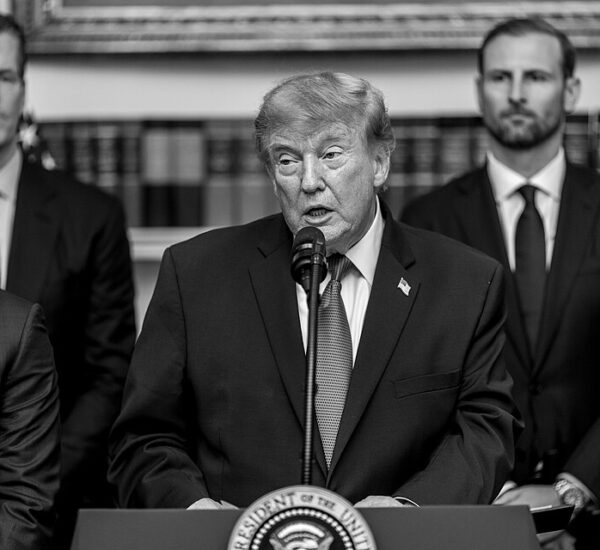
Trump met Wednesday at the White House with top weapons manufacturers as his administration pushes to rebuild U.S. military stockpiles following operations in Iran and ongoing support for American allies abroad.
The administration’s message was clear: the United States cannot afford delays in producing the weapons needed to defend the nation.
Trump Pushes Defense Industry to Move Faster
According to people familiar with the meeting, White House officials told defense executives they must accelerate production of critical weapons and missile systems.
The discussion reportedly lasted longer than expected because every executive was given an opportunity to speak.
Sources said Deputy Defense Secretary Steve Feinberg challenged several companies over missed deadlines and slower-than-expected manufacturing progress on key defense programs.
One person briefed on the meeting described the administration’s opening message simply: America’s defense industry must do more.
As discussions continued, however, the tone became more collaborative, with administration officials emphasizing the need for government and private industry to work together to rapidly strengthen the nation’s defense manufacturing base.
One source described the goal as putting the country on a “wartime footing” to speed production of critical military equipment.
The White House has not publicly released additional details about the meeting.
Military Stockpiles Face Growing Pressure
The Trump administration has made rebuilding America’s weapons inventory a top national security priority.
Recent military operations, combined with continued support for U.S. allies, have significantly increased demand for precision-guided weapons, missile interceptors, and advanced air-defense systems.
Defense planners have warned that replenishing these inventories quickly is essential to maintaining America’s military readiness.
Pentagon Expands Missile Production
This marks the second major White House meeting this year focused on increasing weapons production.
Earlier this year, executives from BAE Systems, Lockheed Martin, Northrop Grumman, RTX, Boeing, Honeywell Aerospace, and L3Harris Technologies met with Defense Secretary Pete Hegseth and senior administration officials to discuss expanding manufacturing capacity.
The Pentagon is now working on agreements that would dramatically increase production of several of America’s most important missile systems.
Under one proposed agreement, Lockheed Martin would triple production of Patriot missile interceptors while increasing THAAD interceptor output by four times. Both systems are considered essential for defending against ballistic missile attacks.
RTX is also expected to increase production of Tomahawk cruise missiles and AMRAAM air-to-air missiles under separate long-term agreements.
While those framework agreements have been announced, formal contracts still need to be finalized before large-scale manufacturing begins.
Defense Companies Want Funding First
Several defense industry executives welcomed the administration’s push to increase production but cautioned that companies need firm financial commitments before making major investments.
Executives said expanding factories, purchasing additional equipment, and securing new suppliers requires billions of dollars in upfront spending.
Without funding approved by Congress, companies risk straining cash flow and reducing earnings if they significantly increase production before government payments begin.
Industry leaders argue that long-term contracts and reliable funding are critical if manufacturers are expected to rapidly expand America’s defense capabilities.
Trump Prioritizes Military Readiness
The Trump administration has steadily increased pressure on defense contractors to prioritize national security over shareholder returns.
Earlier this year, President Trump signed an executive order directing federal agencies to identify contractors that fall behind on government contracts while continuing to distribute significant profits through stock buybacks and dividends.
Administration officials say the objective is straightforward: ensure America’s defense industry is fully prepared to meet growing global threats while restoring the military’s weapons inventory and strengthening the nation’s long-term security.
Why This Matters
With tensions continuing in multiple regions around the world, the administration believes expanding America’s defense manufacturing capacity is essential to protecting U.S. interests and supporting military readiness.
The White House’s latest meeting signals that rebuilding the nation’s weapons stockpiles will remain a major priority in the months ahead, with both government officials and private industry expected to play key roles.