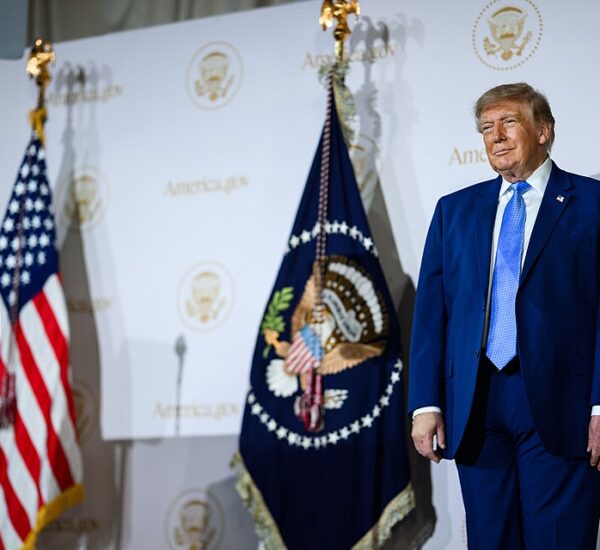
Sen. Bill Cassidy reportedly clashed with President Donald Trump during a closed-door Senate GOP lunch on Wednesday, as Trump criticized Republican senators who voted for a war powers resolution aimed at limiting U.S. involvement in Iran. According to reports from inside the meeting, Cassidy raised concerns about the administration’s handling of the Iran situation, leading to a heated exchange between the two men.
Background
According to reports, Cassidy confronted Trump over an Iran memorandum of understanding and argued that the administration had not adequately explained its objectives or progress to the American people and the Senate. Cassidy later told reporters that Trump raised his voice during the exchange, prompting him to respond in kind before attempting to de-escalate the situation. Trump also reportedly criticized Sens. Rand Paul, Susan Collins, and Lisa Murkowski for supporting the war powers resolution alongside Cassidy. Sens. Mitch McConnell and Dave McCormick, who were absent for the vote, also reportedly drew criticism during the lunch, despite McCormick campaigning with Trump at a Pennsylvania rally. The tense meeting came amid broader Republican disagreements over Iran policy and Trump’s reported decision to cancel a bipartisan housing bill that had support from lawmakers in both parties, including Sen. Tim Scott.
Trump Meets With NATO Leader
NATO Secretary-General Mark Rutte met with President Donald Trump at the White House on Wednesday as both leaders attempted to smooth over growing disagreements between the United States and its European allies. The high-profile meeting comes just weeks before a major NATO summit where defense spending, military cooperation, and the future of the alliance are expected to dominate discussions.
The visit underscored the challenges facing NATO as the alliance navigates differences over the recent conflict involving Iran and America’s military role overseas.
Rutte Highlights NATO’s Support
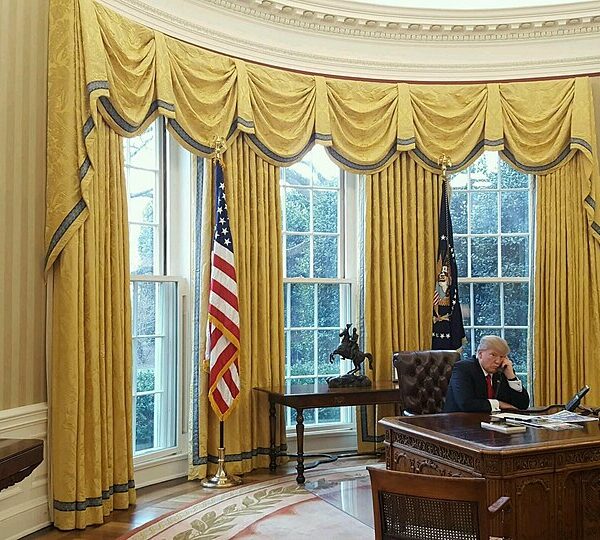
During the Oval Office meeting, Rutte sought to reassure President Trump that NATO members have continued supporting the United States despite disagreements over recent military operations.
Using charts during the meeting, the NATO secretary-general pointed to a steady increase in defense spending by European allies since Trump’s first term began in 2017. He argued that many NATO nations have responded to long-standing U.S. demands by investing billions more into their own militaries.
Rutte also noted that American military aircraft relied heavily on European bases during the recent conflict, calling that cooperation evidence that NATO allies continue to stand alongside the United States.
While acknowledging that some allies disappointed the president, Rutte characterized those situations as exceptions rather than the rule. He maintained that, overall, America’s European partners have remained committed to supporting the alliance.
Trump Remains Skeptical
President Trump praised Rutte personally for his leadership but made it clear that he remains unconvinced NATO has done enough.
Trump said the NATO chief has handled a difficult job well and suggested that another leader may not have been able to preserve the relationship under the current circumstances.
At the same time, the president reiterated that the United States did not depend on outside assistance during the recent military campaign and emphasized that America’s armed forces were fully capable of carrying out their mission independently.
The exchange reflected Trump’s long-held belief that European allies should contribute more to their own defense rather than relying heavily on American taxpayers.
Longstanding Concerns About NATO
For years, Trump has argued that many NATO countries have failed to meet their defense spending commitments while benefiting from U.S. military protection.
During both of his presidencies, he has repeatedly urged alliance members to increase military budgets and take greater responsibility for European security.
Although several NATO countries have significantly increased defense spending in recent years, Trump has continued to press allies to contribute even more.
Those concerns have intensified following disagreements over the conflict involving Iran, where several European governments declined to fully support the U.S. military operation.
Rutte Faces a Difficult Assignment
Since Trump’s return to the White House following the 2024 election, one of Rutte’s biggest responsibilities has been maintaining unity inside the alliance while managing the president’s criticism of NATO.
He has worked to prevent disputes over defense spending, military cooperation, and broader geopolitical issues from developing into larger diplomatic confrontations.
The relationship has also been tested by disagreements over America’s role in Europe, including discussions about reducing the number of U.S. troops stationed across the continent.
Why the Upcoming NATO Summit Matters
Attention is now shifting to the upcoming NATO leaders’ summit in Ankara, where defense commitments, military readiness, and the alliance’s long-term strategy are expected to take center stage.
One of the key issues will be whether European allies are prepared to further increase defense spending and assume a larger share of the burden for regional security—an issue President Trump has made a central priority throughout his time in office.
The summit may also provide greater clarity on America’s future military posture in Europe and the direction of U.S.-NATO relations moving forward.
The Bottom Line
The White House meeting highlighted both areas of cooperation and ongoing disagreements between President Trump and NATO leadership. While Rutte emphasized increased defense spending and continued military cooperation, Trump maintained that America’s allies must do more to strengthen the alliance and share responsibility for global security.
With the NATO summit approaching, the decisions made in the coming weeks could shape the future of the alliance and America’s relationship with its European partners for years to come.