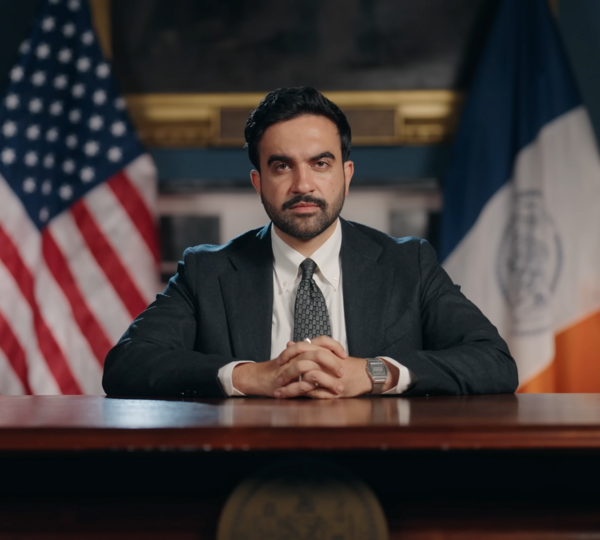
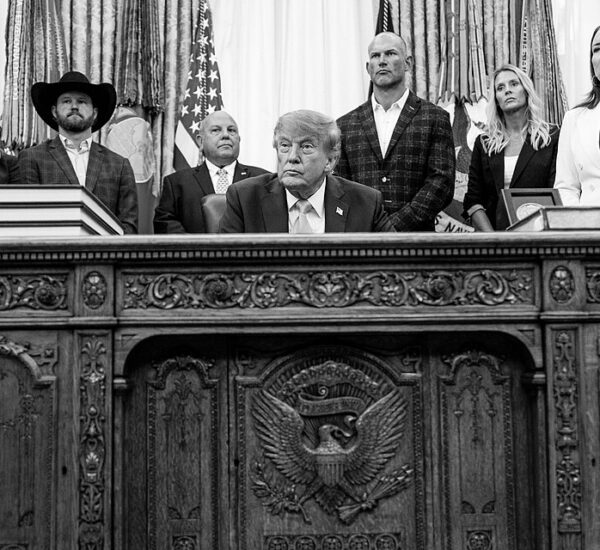
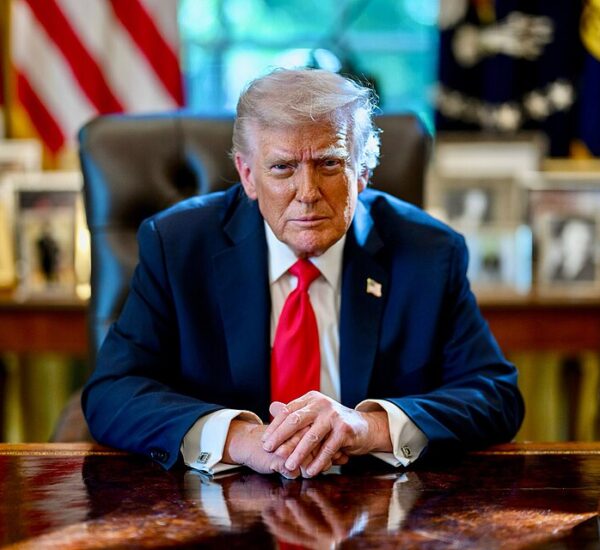
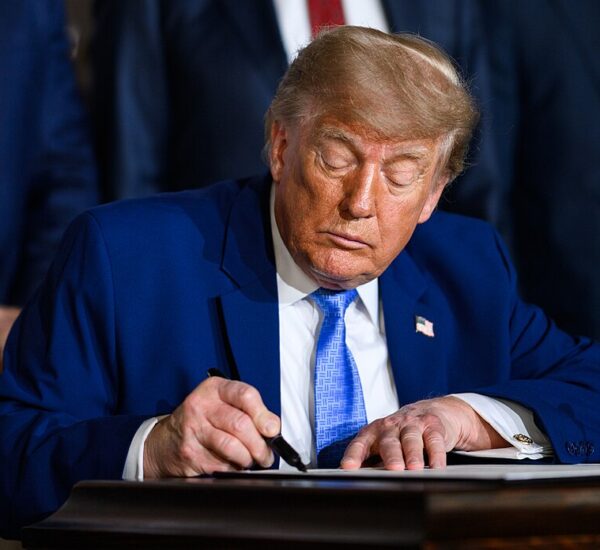
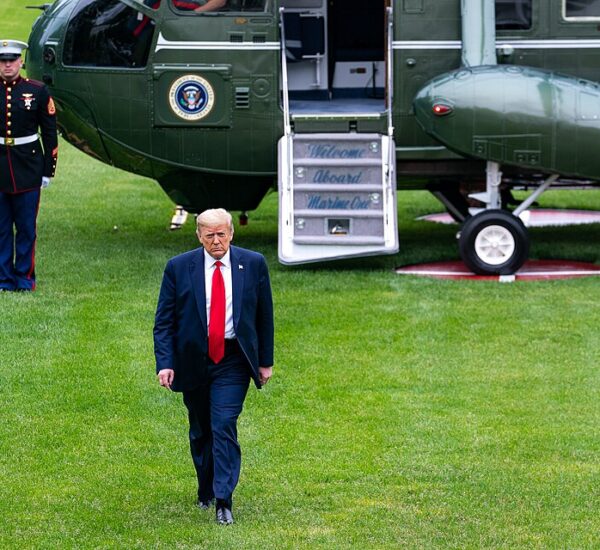
President Donald Trump intensified his criticism of what he described as “godless communists,” arguing that they pose a major threat to the United States following recent political victories by progressive candidates in New York City. Speaking on Truth Social and before the Faith and Freedom Coalition, Trump said these political figures would attack religion, particularly Christianity, though he did not identify any candidates by name and referred only to the “recent Election of Communists in our Country.”
BACKGROUND
Trump’s comments came days after progressive candidates backed by New York City Mayor Zohran Mamdani won significant victories in New York. He described those he was criticizing as “hard core, godless Communists” and called them the greatest threat to the country since its founding 250 years ago. While Trump did not specifically name any lawmakers, the Democratic Socialists of America currently has two members in Congress: Representatives Alexandria Ocasio-Cortez and Rashida Tlaib. Trump’s characterization of democratic socialists as opposed to religion is disputed, as Ocasio-Cortez identifies as Catholic, Mamdani, Tlaib, and Avila Chevalier are Muslims, and the DSA’s Religion and Socialism group states that it embraces faith and rejects the idea that religion belongs exclusively to the political right.
Trump Urges Supreme Court To Do What?
The Trump administration is asking the U.S. Supreme Court to restore a major immigration enforcement policy that would allow federal officials to detain many illegal immigrants arrested inside the United States without first providing a bond hearing.
The administration argues the policy is essential for enforcing immigration laws, preventing illegal immigrants from disappearing before court proceedings, and ensuring deportation orders can be carried out.
In a petition filed Friday, Solicitor General D. John Sauer urged the Supreme Court to overturn a ruling from the 6th U.S. Circuit Court of Appeals that blocked the policy. Sauer described the dispute as one of the most significant immigration cases currently facing the federal courts.
Trump Administration Says Appeals Court Got It Wrong
The legal battle centers on Lopez-Campos v. Raycraft, a case in which the 6th Circuit ruled that illegal immigrants who entered the United States unlawfully but have lived in the country for years cannot automatically be treated as “applicants for admission” under federal immigration law.
That classification is critical because it determines whether someone must remain in ICE custody while deportation proceedings continue or can request release through a bond hearing before an immigration judge.
The Trump administration argues Congress intended mandatory detention to ensure individuals facing removal remain available for their immigration hearings and cannot evade deportation.
ICE Policy Eliminated Routine Bond Hearings
The case stems from a July 2025 Immigration and Customs Enforcement (ICE) directive that classified illegal immigrants as applicants for admission under federal law.
As a result, immigration judges could no longer routinely grant bond hearings for many detainees, requiring them to remain in custody while their cases moved through the immigration system.
The Board of Immigration Appeals later adopted the same legal interpretation, leading immigration courts nationwide to implement the policy.
Appeals Court Raised Constitutional Concerns
The 6th Circuit rejected the administration’s position in a divided decision.
The majority ruled that individuals who had been living in the United States for extended periods before being arrested by ICE or Customs and Border Protection should receive individualized bond hearings rather than automatic detention.
The court also concluded that denying those hearings could violate the Fifth Amendment’s guarantee of due process.
One judge dissented, arguing that mandatory detention better reflected federal immigration law and supported effective immigration enforcement.
Administration Says Detention Protects Border Security
In the filing, Sauer argued that keeping illegal immigrants in custody during removal proceedings helps ensure they appear for immigration hearings and prevents them from avoiding deportation.
He also pointed out that federal appeals courts have reached conflicting conclusions, creating uncertainty across the country.
According to the administration, the 5th and 8th U.S. Circuit Courts of Appeals have upheld the government’s interpretation, while the 2nd, 6th, and 11th Circuits have ruled against it. The administration says only the Supreme Court can resolve the growing split.
Supreme Court Decision Could Affect Thousands of Cases
The outcome could have far-reaching consequences for immigration enforcement.
Court filings indicate that more than 9,300 lower-court rulings have challenged the administration’s detention policy.
Federal immigration authorities were holding roughly 73,000 detainees earlier this year, one of the highest detention levels on record.
If the Supreme Court sides with the Trump administration, mandatory detention without routine bond hearings would likely continue nationwide.
If the Court allows the lower court’s ruling to stand, immigration judges would once again be required to conduct bond hearings for tens of thousands of detainees, potentially leading to significantly more releases while removal proceedings remain pending.
Another Major Immigration Case Before the Supreme Court
The appeal arrives as the Supreme Court continues to play a central role in shaping U.S. immigration policy.
Just one day after the administration filed its petition, the Court handed President Donald Trump two significant immigration victories, including a 6-3 ruling allowing the administration to move forward with ending Temporary Protected Status for certain migrants from Haiti and Syria.
The justices have not yet announced whether they will hear the detention case, but if they do, the ruling could become one of the most closely watched immigration decisions of the Court’s next term and could shape federal immigration enforcement for years to come.