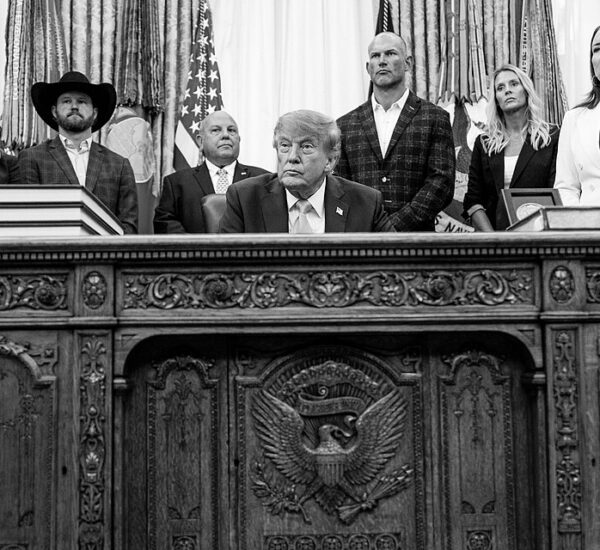
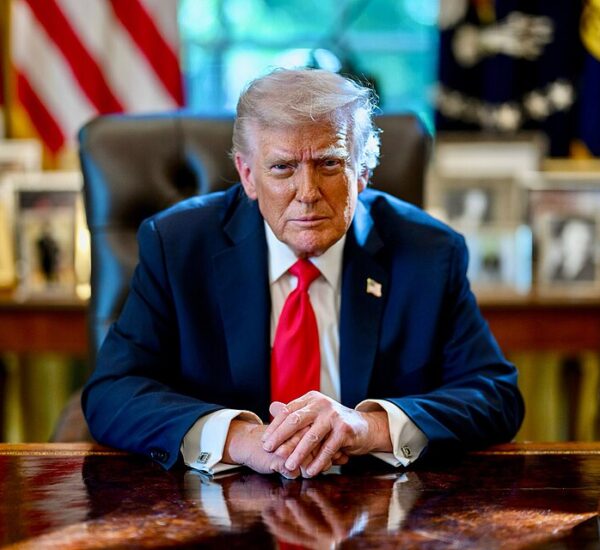
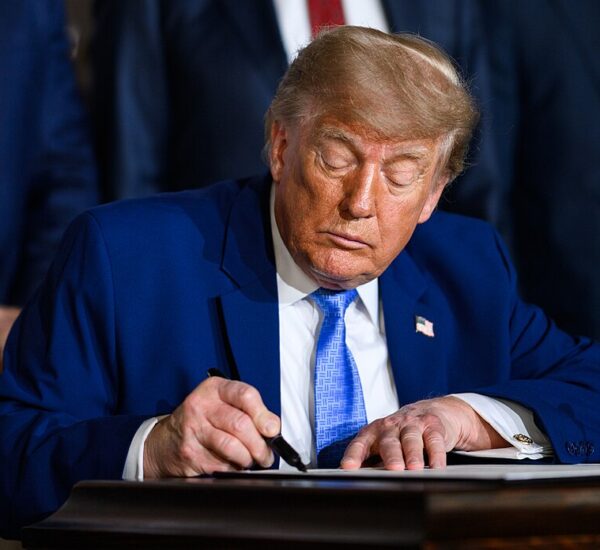
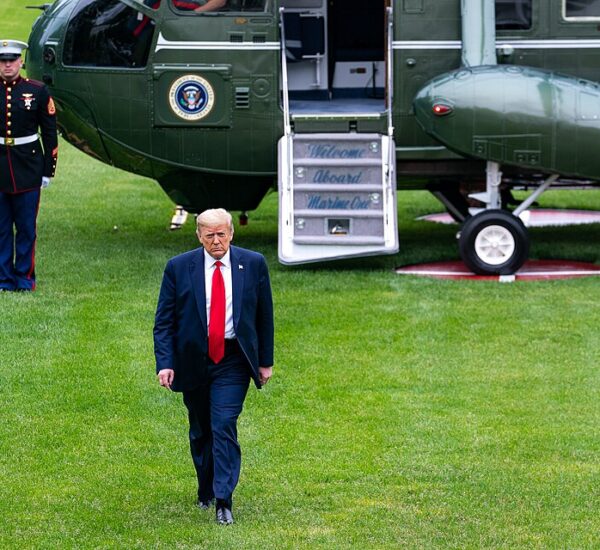
President Donald Trump received two favorable rulings from the Supreme Court that could strengthen future efforts to enforce immigration laws and maintain border security. The decisions clarified that Temporary Protected Status is temporary and that an alien is not considered to be in the United States until they are legally “in” the country, reinforcing statutory language that could affect future border enforcement.
BACKGROUND
According to the provided facts, Trump has demonstrated that a president can secure the border through executive action without additional legislation from Congress. The facts also state that lower courts, working alongside open-borders activists, have attempted to limit that authority. The Supreme Court’s rulings rejected those interpretations by emphasizing that immigration laws should be enforced according to their plain language. The decisions are expected to make it easier for future presidents to preserve the border security measures that Trump achieved.
Trump Ally Paxton Issues Warning
Texas Attorney General Ken Paxton, the Republican nominee for the U.S. Senate, delivered a forceful warning over the weekend, saying America is approaching a defining moment that could shape the nation’s future for generations.
Speaking before thousands of conservatives at the Faith & Freedom Coalition’s Road to Majority Conference in Washington, D.C., Paxton argued that protecting election integrity and preserving America’s founding values must remain top priorities. President Donald Trump also addressed attendees during the event.
Paxton Says America’s Founding Principles Must Be Protected
During an interview with Newsmax, Paxton said the United States has remained strong for nearly 250 years because it was built on faith, freedom, and individual liberty.
He warned that those principles should never be taken for granted.
According to Paxton, failing to defend those values could permanently change the country.
“If we don’t guard against the left taking it from us,” he said, “we will lose this country, and that foundation will be gone.”
Election Integrity Takes Center Stage
A major focus of Paxton’s remarks was the SAVE America Act, legislation that supporters say would strengthen election security nationwide.
The legislation would require prospective voters in federal elections to verify their U.S. citizenship with official documentation before registering. Backers say the requirement would help ensure that only eligible American citizens are able to cast ballots in federal races.
The House approved the legislation earlier this year, but it has remained stalled in the Senate.
Paxton Calls for Ending the Senate Filibuster
Paxton argued that Republicans will be unable to pass the SAVE America Act unless the Senate changes its rules.
Paxton argued that eliminating the Senate filibuster is necessary to pass the SAVE America Act, saying that without the legislation, he believes election protections cannot be fully secured.
While acknowledging that the filibuster has historically protected the minority party, Paxton said he believes the current situation requires a different approach.
Drawing on his years serving in both chambers of the Texas Legislature, he argued that progressive lawmakers have gradually changed election laws in ways that conservatives believe make elections less secure.
However, Senate Republican leaders have repeatedly stated that there are not enough votes to eliminate the filibuster, nor sufficient bipartisan support to advance the legislation under current Senate rules.
Texas Senate Race Tightens
Paxton’s comments come as his race for the U.S. Senate becomes increasingly competitive.
A recent University of Texas poll found Paxton holding a narrow one-point advantage over Democratic nominee James Talarico, a margin that falls within the survey’s margin of error.
Despite the close race, Paxton expressed confidence that Texas voters will reject what he described as Talarico’s progressive record.
Paxton argued that his opponent adopted more liberal positions during the Democratic primary before attempting to present himself as more moderate ahead of the general election.
Faith Remains Central to Paxton’s Message
Paxton concluded by returning to what he believes is the nation’s most important issue—preserving America’s religious foundation.
He argued that when faith loses its influence, government often expands to fill that role, creating conditions that allow socialist or authoritarian systems to gain more control over everyday life.
For Paxton, the debate over the SAVE America Act extends beyond election procedures. He said it represents a broader effort to defend the constitutional principles, religious liberty, and election integrity that many conservatives believe are essential to preserving the American way of life.
With the 2026 elections drawing closer, issues surrounding voter eligibility, Senate rules, and the future of election security are expected to remain at the center of the national political conversation.