Trump Team Looking For Alternative To Thune
A prominent adviser to President Donald Trump is calling for a change in Republican leadership in the Senate following the GOP’s disappointing performance in the 2026 midterm elections.
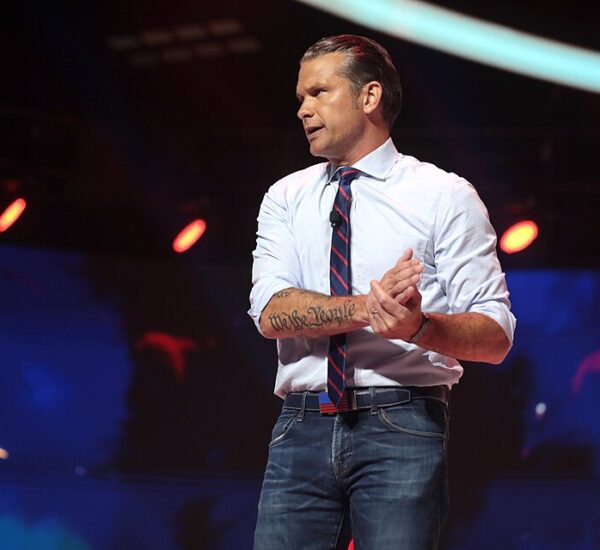
Alex Bruesewitz, a political adviser to Trump, publicly questioned whether Senate Republican leader John Thune of South Dakota should remain in his position, arguing that the party needs fresh leadership after losing control of the chamber.
The criticism comes as Republicans face difficult questions about their political future and prepare for a new Congress in which Democrats will hold the Senate majority.
Bruesewitz took to social media Thursday to express his frustration with Republican leadership, suggesting that keeping the same people in charge after significant electoral losses would send the wrong message.
“Why do Hill Republicans insist on rewarding failure?” Bruesewitz wrote on X.
He also questioned whether Thune understands the priorities of Republican voters.
The comments highlight growing disagreements within the Republican Party over how its congressional leadership should respond to the election results.
Thune, who became Senate Republican leader after longtime GOP leader Mitch McConnell stepped aside, has faced criticism from some Trump allies throughout the president’s second term.
One major source of frustration has been the Senate’s failure to advance several Republican priorities, including the SAVE America Act, legislation designed to strengthen federal voter identification and citizenship verification requirements.
Although Thune supported the legislation, he resisted calls to eliminate the Senate filibuster, which generally requires 60 votes to advance most legislation.
Trump and some of his supporters argued that Republicans needed to take stronger action to deliver on their campaign promises. Thune maintained that changing Senate rules could create serious problems for Republicans if Democrats eventually regained power.
With Democrats now preparing to take control of the Senate in January, those disagreements have become part of a broader debate about the party’s future.
Despite the criticism, Thune has indicated that he intends to seek another term as the Senate’s top Republican.
His office confirmed Wednesday that he plans to run for Senate minority leader when Republicans hold their leadership elections on November 10.
Thune also defended his party’s legislative record following Tuesday’s election losses, pointing to accomplishments involving taxes, border security, judicial confirmations, and other Republican priorities.
He pledged that Senate Republicans would continue working alongside Trump to challenge Democratic proposals during the next Congress.
Thune retains significant support among Republican senators, many of whom believe he has successfully managed the challenges of leading a closely divided chamber.
As of Thursday, no Republican senator had publicly announced a campaign to challenge him for the leadership position.
Florida Sen. Rick Scott, who previously competed against Thune for the top Republican leadership post, has also indicated that he does not intend to launch another bid.
That could make replacing Thune difficult, regardless of how strongly some Trump allies feel about the need for change.
Unlike presidential primaries or general elections, Senate leadership contests are decided by Republican senators themselves through an internal voting process.
The president and his advisers can influence those discussions, but they do not directly determine who leads the Senate Republican conference.
The dispute comes at a particularly important moment for the GOP.
After losing both chambers of Congress in the midterm elections, Republicans must decide how to reorganize their leadership, respond to voters’ concerns, and establish an effective strategy for working with the Trump administration.
For Thune, the immediate challenge will be demonstrating that he remains the right person to lead Senate Republicans despite the party’s election setbacks.
For Bruesewitz and other critics, the question is whether Republicans can move forward successfully without making changes at the top.
With the leadership election scheduled for November 10, Senate Republicans will soon have an opportunity to decide whether to maintain their current leadership or pursue a different direction.