GOP Prepares For Investigations
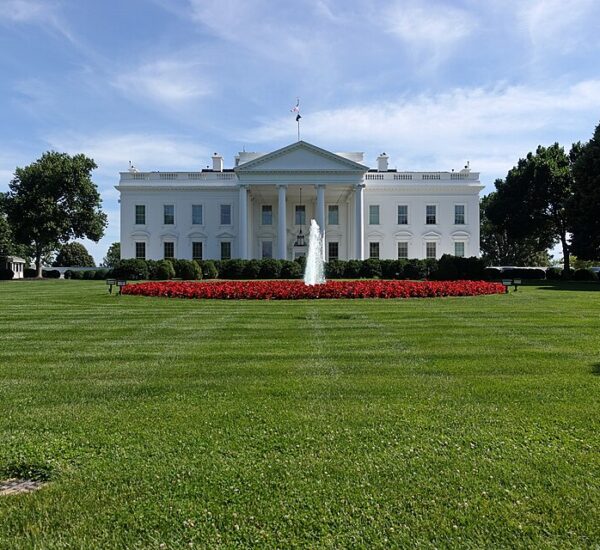
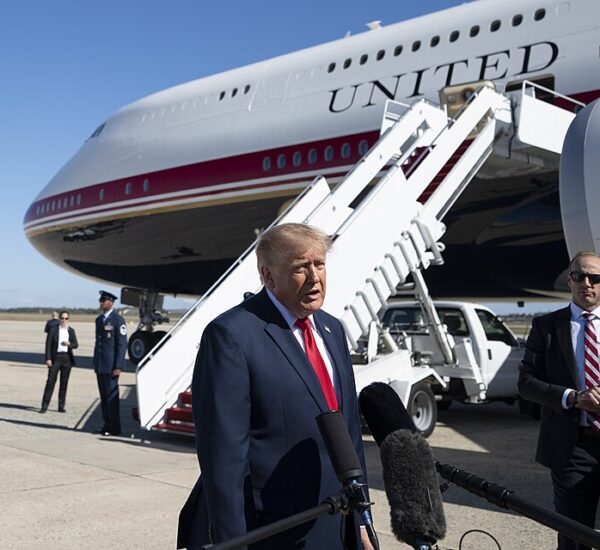
House Republicans are preparing for a major political showdown in Washington as Democrats get ready to launch a wave of investigations targeting President Donald Trump, his administration, and his closest allies.
Following the 2026 midterm elections, Democrats are preparing to take control of Congress, giving them powerful new tools to investigate the White House. Republican leaders are already developing a strategy to respond to what they believe could become an aggressive campaign of congressional oversight.
House Majority Leader Steve Scalise, R-La., is leading that preparation, warning fellow Republicans that Democrats intend to use their new authority to investigate Trump, his family, administration officials, and conservative organizations.
Scalise recently sent guidance to Republican committee leaders encouraging them to prepare before Democrats officially assume control in January.
The message reflects growing concerns within the GOP that the next Congress could be dominated by investigations rather than cooperation on legislation.
Republicans Develop A Defense Strategy
Scalise has urged Republican lawmakers to examine ongoing Democratic investigative efforts and identify potential targets of future congressional inquiries.
His guidance outlines several priorities, including reviewing previous requests for information, anticipating possible subpoenas, and studying legal protections that could become important during disputes with Democratic-led committees.
Republicans are also examining executive privilege and recent Supreme Court decisions that could influence how the administration responds to congressional demands.
The preparations are intended to help GOP lawmakers coordinate their response once Democrats gain control of committee leadership.
Republicans expect the investigations could extend beyond Trump himself, potentially involving Cabinet officials, businesses, conservative organizations, and individuals associated with the administration.
For GOP leaders, the concern is that Democrats could use their expanded congressional powers to keep the White House under constant scrutiny throughout the remainder of Trump’s presidency.
Democrats Outline Their Investigative Priorities
Democratic leaders have made clear that examining the Trump administration will be a significant part of their agenda.
Rep. Robert Garcia, D-Calif., who is positioned to lead the House Oversight Committee, has indicated that investigations could examine the Trump family’s business activities, immigration enforcement operations, and the administration’s handling of the Jeffrey Epstein case.
Other Democrats have raised questions about federal contracts, government spending, cryptocurrency transactions, and potential conflicts of interest involving administration officials.
Democratic lawmakers argue that these investigations are necessary to ensure accountability and determine whether public officials have improperly benefited from government decisions.
The White House has denied wrongdoing and accused Democrats of pursuing politically motivated investigations.
The possibility of another impeachment effort has also entered the discussion, although Democratic leaders have not committed to pursuing that option.
Trump was impeached twice during his first term and acquitted by the Senate both times.
A New Battle Over Congressional Power
The change in congressional leadership will significantly alter Washington’s political landscape.
When Democrats take control of congressional committees, they will gain the ability to schedule hearings, demand documents, and issue subpoenas as part of authorized investigations.
Those powers could create prolonged confrontations between Congress and the executive branch.
Republicans are preparing to challenge investigative requests they consider excessive or politically motivated, while Democrats insist they have a responsibility to examine potential misconduct.
Legal disputes could eventually determine how much information congressional investigators are able to obtain.
The outcome could also affect how effectively Trump advances his remaining legislative priorities.
With Democrats controlling Congress, the administration will face additional obstacles when seeking approval for major policy proposals, government funding measures, and other legislation.
Voters Still Want Results On Everyday Issues
The growing confrontation comes as Americans continue to express concerns about household expenses, government accountability, and the nation’s economic future.
For many families, questions about grocery prices, retirement security, health care costs, and taxes remain important regardless of which party controls Congress.
Republicans could seek to emphasize those concerns while arguing that extensive investigations risk distracting lawmakers from urgent economic matters.
Democrats, meanwhile, contend that examining government spending and potential corruption is directly connected to protecting taxpayers.
Even some Democratic lawmakers have cautioned against allowing congressional investigations to become an exercise in political retaliation.
That debate could become increasingly important as both parties look toward the 2028 presidential election.
Washington Braces For Another Political Showdown
The coming months will test whether Republicans and Democrats can find common ground while pursuing sharply different political priorities.
Scalise and other Republican leaders appear determined to establish a coordinated defense before the new congressional leadership takes office.
Democrats are equally determined to use their expanded authority to examine the Trump administration.
The result could be a lengthy series of congressional hearings, legal challenges, and political confrontations that shape the remainder of Trump’s presidency.
For Americans watching from outside Washington, the larger question may be whether Congress can carry out its oversight responsibilities while still addressing the economic and national concerns that affect everyday life.
With both parties preparing for confrontation, the next chapter in Washington’s political battles is already taking shape.