Trump Moves To Secure Oval Office
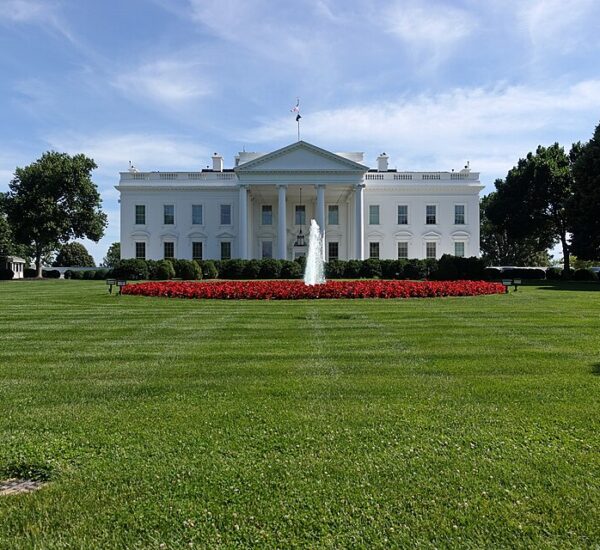
President Donald Trump is taking a major step to protect one of America’s most recognizable symbols of presidential leadership, signing a new proclamation that designates the Oval Office and other important White House spaces as a national monument.
The decision, announced Thursday, November 5, is intended to preserve the historic character of the Oval Office, the adjoining Outer Oval Office and the Cabinet Room. Trump says the designation will help prevent future administrations from making major structural changes to these historic areas.
The president described the move as an important effort to safeguard a place where some of the most consequential decisions in American history have been made.
Trump Takes Action to Protect White House History
During a signing ceremony at the White House, Trump emphasized the significance of preserving the Oval Office for future generations.
The Oval Office has served as the primary presidential workspace for decades, hosting meetings with foreign leaders, major policy announcements and discussions that have shaped the nation’s direction.
Trump argued that its historic design should not be subject to drastic alterations simply because a future administration wants something different.
Under the new proclamation, the designated spaces will receive additional recognition and preservation oversight through the Department of the Interior and the National Park Service.
The administration says the goal is to protect the rooms’ architectural integrity while ensuring they continue serving their important government functions.
New Restrictions on Major Renovations
The proclamation establishes a preservation process designed to discourage significant structural changes or demolition.
Federal officials will be responsible for developing a management plan that protects the historic features of the designated rooms.
Any proposed major alterations will require documentation, review and consideration of alternatives before moving forward.
Trump also suggested that major modifications should require congressional approval. However, the proclamation itself does not establish a new congressional approval requirement.
The designation does not prevent future presidents from changing furniture, decorations or other interior features. Routine operational and security improvements will also remain permissible as long as they do not substantially damage the historic structure.
That distinction means future administrations will retain considerable flexibility while facing additional preservation procedures for major structural changes.
Preserving a Symbol of American Leadership
The Oval Office holds a special place in American history.
Its current location and familiar design date back to President Franklin D. Roosevelt’s administration, although the oval-shaped presidential office was first introduced in the West Wing during President William Howard Taft’s presidency.
Since then, the office has become an internationally recognized symbol of the United States presidency.
Trump has made several decorative changes since returning to the White House in January 2025, including adding gold accents, prominent historical portraits and a displayed copy of the Declaration of Independence.
Those changes reflect the president’s broader interest in the appearance and presentation of America’s most important government buildings.
His administration has also pursued other construction and restoration projects around Washington, including plans for a new White House ballroom and improvements to prominent public landmarks.
Announcement Comes After Midterm Elections
The proclamation arrives during a politically significant week in Washington.
Democrats secured control of Congress in the November midterm elections, creating new challenges for Trump’s legislative agenda and setting the stage for additional political disagreements.
While congressional Democrats prepare to assume greater authority, Trump has continued highlighting projects aimed at reshaping and preserving prominent locations in the nation’s capital.
The Oval Office designation is particularly notable because the White House and its grounds already have federal historic protections.
Trump’s proclamation goes further by identifying specific rooms as a national monument under the Antiquities Act, a federal law that allows presidents to designate qualifying historic sites and objects on federally controlled land.
However, the new designation does not necessarily make the existing arrangements permanent. Future administrations could potentially seek to reverse or modify the monument’s status, raising questions about how much long-term protection the action will provide.
A Decision With Lasting Implications
For Americans who value the nation’s history and presidential traditions, the announcement raises important questions about how the White House should be preserved for future generations.
The Oval Office represents far more than the working space of any single president. It is a lasting symbol of the presidency and the responsibilities entrusted to America’s elected leaders.
Trump’s latest proclamation reflects his desire to protect that historic setting from major physical changes while maintaining its role at the center of the executive branch.
Whether the designation ultimately provides lasting protection will depend on how the new preservation procedures are implemented and whether future presidents choose to maintain them.
For now, Trump has placed the preservation of the Oval Office at the center of his administration’s broader efforts to shape the appearance and historical legacy of Washington, D.C.