GOP Says ‘About Time’ To Europe
American drivers and businesses struggling with historically high diesel prices could soon get some relief after the United States and its allies agreed to release a major amount of emergency fuel reserves.
Rep. Andy Harris, R-Md., said Friday that European nations are finally taking action to help ease pressure on the United States as diesel prices remain painfully high across the country.
The Maryland Republican, who chairs the House Freedom Caucus, argued that European governments have significant diesel reserves available and should play a larger role in responding to the international energy crisis.
His comments came as Group of Seven nations announced a coordinated plan to release 100 million barrels of oil and petroleum products over four months, with a substantial amount of diesel scheduled to enter the market during the first 20 days. The International Energy Agency will help coordinate the effort.
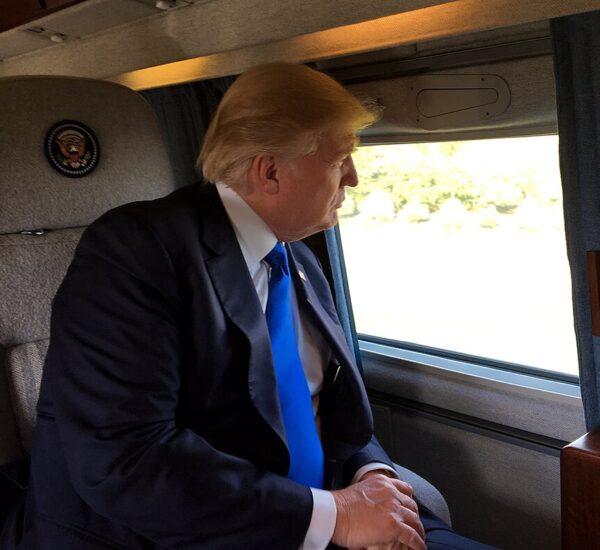
President Donald Trump said the release would begin immediately.
Harris Says Europe Needs To Do More
Harris welcomed the announcement, saying European nations have been holding large diesel supplies while Americans have faced sharply higher fuel costs.
He also connected the dispute to broader questions surrounding how much responsibility European allies should carry when responding to international security and economic challenges.
Harris criticized European countries for what he described as insufficient assistance with U.S. efforts involving the Middle East and the Strait of Hormuz. His argument was straightforward: if the United States has carried a substantial portion of the burden overseas, allies should be willing to help when American consumers are dealing with an energy emergency.
The G7 agreement follows pressure from the Trump administration for Europe to release fuel reserves as diesel supplies tightened. Reuters reported that the participating countries also agreed to avoid restrictions on energy exports that could further disrupt international markets.
Diesel Prices Remain Extremely High
The announcement comes at a critical moment for American households, truckers, farmers and businesses.
According to AAA, the national average price for diesel stood at approximately $6.37 per gallon on October 2, compared with roughly $3.70 one year earlier. AAA data also show diesel recently reached a record national average of about $6.53 per gallon on September 22.
Those prices matter even to Americans who do not personally drive diesel vehicles.
Diesel powers much of the nation’s trucking industry, agricultural equipment and commercial transportation network. When businesses pay more to transport food, household goods and other products, at least some of those additional expenses can ultimately work their way into consumer prices.
That makes diesel prices an important economic concern for families already watching the cost of groceries, utilities and other everyday necessities.
Strait Of Hormuz Crisis Has Disrupted Energy Markets
International conflict has played a major role in the current energy crunch.
The International Energy Agency said energy markets continue to face significant pressure from the Strait of Hormuz crisis. While crude oil exports from the Middle East have recovered substantially, supplies of refined petroleum products such as diesel remain severely constrained.
The Strait of Hormuz is one of the world’s most important energy shipping routes, making disruptions in the region particularly significant for global fuel markets.
Additional pressure on refining capacity elsewhere has further tightened diesel supplies.
Those developments have left governments searching for ways to increase available fuel quickly without creating additional disruptions to international trade.
G7 Announces Coordinated Emergency Response
Under the newly announced agreement, G7 countries and participating partners will begin releasing emergency reserves immediately.
The 100-million-barrel release will take place over approximately four months, but officials plan to front-load diesel supplies during the first 20 days in an effort to address the most immediate shortage.
The countries also agreed to coordinate refinery maintenance schedules, encourage greater refinery production where possible and continue monitoring global supplies.
The International Energy Agency is expected to evaluate the situation and provide additional recommendations as the program moves forward.
Financial markets reacted quickly to news of the agreement. Diesel and crude-oil futures moved lower Friday following the announcement, although it remains uncertain how much or how quickly the emergency releases will affect prices Americans see at the pump.
What The Diesel Release Could Mean For Americans
For President Trump and congressional Republicans, bringing energy prices down has become increasingly important as families and businesses deal with the effects of expensive fuel.
The agreement with European allies could increase short-term supply and ease some pressure on diesel markets. However, emergency reserves are generally considered a temporary tool rather than a permanent solution to supply shortages.
Much will depend on how quickly the additional diesel reaches the market, whether shipping conditions improve and whether global refining capacity can keep pace with demand.
For motorists, truckers and small-business owners, the most important number will ultimately be the price displayed at the fuel pump.
With diesel still above $6 per gallon nationally, even a modest decline could provide some welcome relief — particularly for industries that rely heavily on transportation.
The coming weeks should provide a clearer picture of whether the coordinated G7 release is enough to push American diesel prices meaningfully lower.