Trump Issues Warning To Iran Again
President Donald Trump issued a forceful warning to Iran on Thursday, saying Tehran could face a major U.S. response if investigators determine that the Iranian government was involved in the attempted attack aboard a FlyDubai passenger flight bound for Israel.
The dramatic incident has added another layer of uncertainty to an already tense Middle East, where the United States and Iran remain locked in a prolonged confrontation over nuclear policy, regional security and control of the strategically important Strait of Hormuz.
At this stage, investigators have not publicly established that Iran played any role in the FlyDubai incident.
Trump Says Iran Could Face Serious Consequences
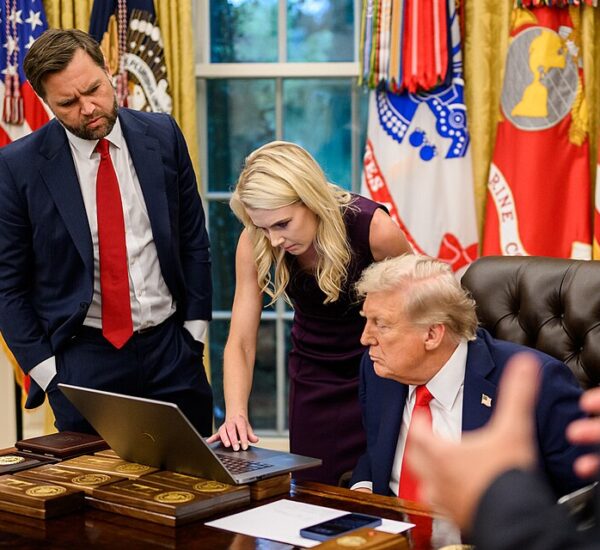
Speaking with reporters at the White House, Trump was asked whether he believed Iran may have been connected to the attack.
The president said information reaching his administration suggested that possibility was being examined, while making clear that the investigation was still underway.
Trump then warned that Iran would face an extremely strong response if evidence ultimately showed that Tehran had helped organize, direct or support the attack.
The remarks immediately raised the stakes surrounding an investigation that already involves authorities from several countries.
What Happened on the FlyDubai Flight?
The incident occurred aboard FlyDubai Flight FZ1073, which was traveling from Dubai to Tel Aviv.
Authorities say the co-pilot allegedly attacked the captain inside the cockpit, causing the aircraft to descend sharply before passengers and crew members intervened.
The co-pilot was subdued, and the aircraft eventually made an emergency landing in Saudi Arabia.
More than 180 people were reportedly aboard the plane.
Investigators are now trying to determine what motivated the attack and whether the co-pilot acted independently or had assistance from anyone else.
Iran Connection Has Not Been Confirmed
Israeli Prime Minister Benjamin Netanyahu said the co-pilot had undergone what he described as Islamist radical indoctrination.
However, Israeli officials have also said it remains too early to determine whether the suspect had any connection to Iran.
Initial assessments reportedly indicated that he may have acted alone.
That distinction could become extremely important.
An attack carried out by a lone individual would present a very different national security situation from an operation directed or supported by a foreign government.
For that reason, authorities are continuing to examine the suspect’s communications, background, travel history and possible outside contacts.
Airline Security Questions Move Into Spotlight
The FlyDubai incident has also renewed concerns about airline security.
Most aviation security procedures are designed to stop dangerous passengers or prohibited items before they reach an aircraft.
This case raises a different concern: what happens when the potential threat already has authorized access to the cockpit?
Airlines and governments could now face new questions involving pilot screening, psychological evaluations, cockpit access rules and emergency procedures.
For travelers, especially older Americans who frequently fly internationally, the investigation may also influence future discussions about aviation safety standards.
Trump Leaves Door Open to More Strikes on Iran
Trump’s warning over the FlyDubai incident came as he also discussed the possibility of renewed U.S. military action against Iran.
In an interview with TIME published Thursday, Trump said it was possible that the United States could increase bombing operations against Iran after the November 3 midterm elections.
His comments suggest that the administration is keeping military options available even as diplomatic efforts continue.
The president has repeatedly argued that U.S. pressure on Iran is necessary to prevent Tehran from obtaining a nuclear weapon.
Iran has long denied that its nuclear program is intended to produce nuclear weapons, making the issue one of the central disputes between Washington and Tehran.
Strait of Hormuz Remains a Major Concern
Another major concern is the Strait of Hormuz.
The narrow waterway is one of the world’s most important energy shipping routes, with a significant share of global oil and natural gas supplies passing through the region.
Disruptions there can quickly affect global energy markets.
That means instability involving Iran can eventually reach American consumers through higher gasoline prices, transportation expenses and utility costs.
For retirees and other Americans living on fixed incomes, even relatively small increases in fuel and household expenses can create additional pressure on monthly budgets.
Midterm Elections Add Political Pressure
The escalating Middle East conflict is also unfolding just weeks before the November 3 midterm elections.
Republicans are trying to maintain control of Congress, while Democrats are focusing heavily on the economy, inflation and the financial consequences of overseas conflicts.
Trump has begun an aggressive campaign push designed to energize Republican voters ahead of Election Day.
Foreign policy may therefore become closely connected with domestic concerns about gasoline prices, household expenses and national security.
Voters will ultimately decide how much weight they place on those competing issues.
U.S. Expands Military Presence in Middle East
The United States is also preparing to strengthen its military presence in the region.
Additional American forces and another aircraft carrier strike group are expected to arrive in the Middle East, increasing Washington’s ability to respond rapidly if the conflict intensifies.
The military buildup gives the administration additional options ranging from deterrence and defensive operations to possible offensive action.
At the same time, a larger U.S. deployment can raise questions about military spending, troop safety and the risk of further escalation.
Why the FlyDubai Investigation Matters
The next phase of the investigation could have major consequences.
If investigators conclude that the co-pilot acted independently, attention may shift primarily toward airline security and radicalization concerns.
If evidence instead points toward a foreign government or organized group, the incident could become part of a much broader national security confrontation.
For now, no Iranian role has been publicly confirmed.
That makes continued investigation especially important before conclusions are drawn.
What Americans Should Watch Next
Several developments could shape what happens next.
Investigators are expected to continue examining the suspect’s background and possible contacts.
The Trump administration will also be watching for any evidence involving Iran or another foreign organization.
At the same time, negotiations over Iran’s nuclear program, the Strait of Hormuz and broader regional security remain unresolved.
The combination of military pressure, diplomatic negotiations and the approaching midterm elections means the situation could change quickly.
For Americans following the story, the key questions remain straightforward: What motivated the FlyDubai attack, did anyone else help plan it, and will the investigation uncover a connection to Iran?
Until authorities provide additional evidence, those questions remain open.