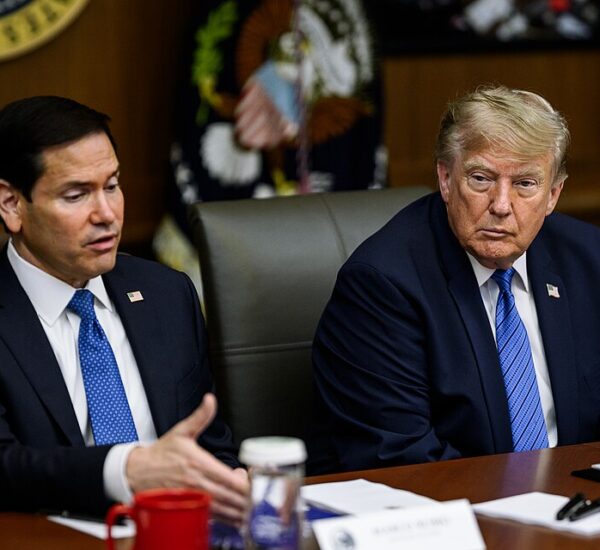
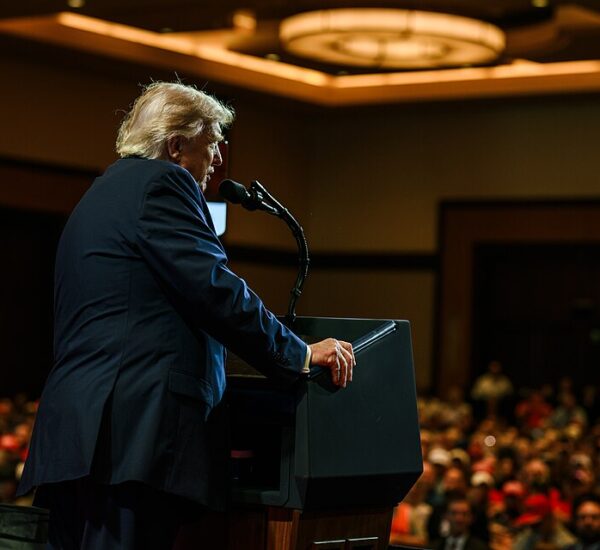
Sen. John Cornyn says he no longer speaks regularly with President Donald Trump after losing his Republican primary race last month to a Trump-backed opponent. In an interview with Semafor, Cornyn said Trump “seems to revel in chaos” and pointed to the administration’s recent move to delay a nomination for director of national intelligence as an example of his concerns.
BACKGROUND
Cornyn has become more outspoken about his disagreements with the administration since his primary loss. In the Semafor interview, he said talking to Trump is no longer useful and contrasted the president’s leadership style with that of other leaders he has worked with. Cornyn also said he recently used his leverage in the Senate to push for Texas priorities, threatening to withhold his vote on a party-line immigration enforcement funding package. According to Cornyn, that effort was aimed at getting Senate leaders to pressure the White House into releasing reimbursement funds for Texas border security spending.
Trump’s SNAP Restrictions Banned
A federal judge has dealt a major setback to the Trump administration’s effort to prevent food stamp recipients from using taxpayer-funded benefits to purchase sugary drinks and junk food.
On Monday, a judge in Washington, D.C., ruled that the U.S. Department of Agriculture (USDA) does not currently have the authority under federal law to approve state requests that restrict certain food purchases under the Supplemental Nutrition Assistance Program (SNAP), commonly known as food stamps.
The ruling temporarily blocks restrictions that had been challenged by SNAP recipients in Colorado, Iowa, Nebraska, Tennessee, and West Virginia.
The decision comes as the Trump administration pushes forward with its “Make America Healthy Again” agenda, which seeks to encourage healthier eating habits and reduce taxpayer spending on products many nutrition experts consider unhealthy.
Trump Administration Defends Restrictions
The USDA had approved waivers in 23 states allowing officials to limit the purchase of products such as soda, candy, and other high-sugar foods using SNAP benefits.
Agriculture Secretary Brooke Rollins and Health and Human Services Secretary Robert F. Kennedy Jr. have both backed the effort, arguing that government assistance programs should promote healthier food choices rather than subsidize junk food purchases.
A USDA spokesperson defended the policy after the ruling.
“The idea that taxpayer dollars should not be used to purchase junk food should not be controversial,” the agency said in a statement.
Officials also made clear they are not abandoning the fight and plan to continue pursuing reforms aimed at improving nutrition among Americans who rely on government assistance.
Judge Says Federal Law Doesn’t Allow It
In her ruling, Judge Amy Berman Jackson said the administration’s goals may be well-intentioned but that federal agencies must follow the law as written by Congress.
According to the court, USDA waivers can only be approved for specific purposes outlined in federal law, such as improving program administration and efficiency.
The judge concluded that improving the diets and health of SNAP recipients is not one of the authorized reasons currently listed in the statute.
While supporters of the restrictions view them as a commonsense effort to improve public health, the court determined that Congress would need to change the law before such limits could legally be imposed nationwide.
Plaintiffs Claimed Restrictions Would Hurt Families
The lawsuit was filed by SNAP recipients who argued the restrictions would make it more difficult for them to access foods they regularly purchase.
The plaintiffs said some of the targeted products help family members manage medical conditions, food sensitivities, and energy needs throughout the day.
Their attorneys argued that limiting what could be purchased through SNAP would create new barriers for struggling households already dealing with rising food costs.
Following the ruling, attorneys representing the plaintiffs praised the decision and said it protects access to food assistance for millions of Americans.
Why This Case Matters
The legal battle highlights a growing national debate over how taxpayer-funded food assistance programs should operate.
Supporters of the Trump administration’s approach argue that government benefits should encourage healthier eating habits and reduce spending on products with little nutritional value.
Critics argue that recipients should retain the freedom to decide what foods best meet their family’s needs.
For now, the court’s ruling prevents the restrictions from taking effect in the states involved in the lawsuit. However, the broader fight over SNAP reform, food choices, taxpayer spending, and public health is far from over.
With the Trump administration signaling it will continue pushing for changes, the issue could ultimately end up before higher courts or Congress in the months ahead.