Trump Reducing Troops Where?
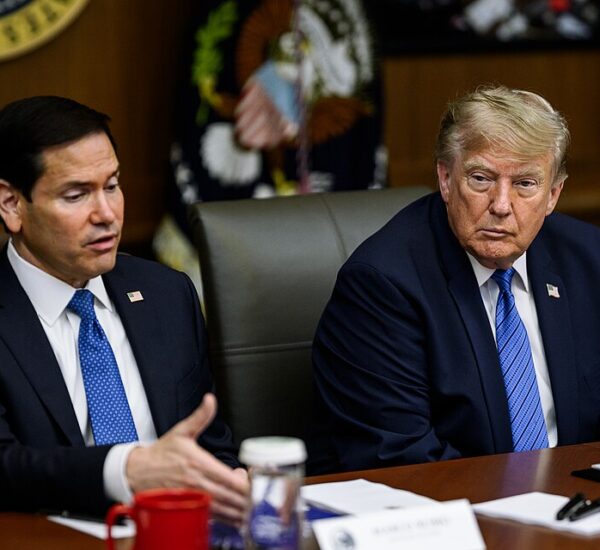
President Donald Trump revealed Wednesday that his administration is actively considering a significant reduction of U.S. troops stationed in Germany—potentially reshaping America’s military footprint in Europe.
In a statement posted on Truth Social, Trump confirmed that a formal review is underway, with a final decision expected soon.
“The United States is studying and reviewing the possible reduction of troops in Germany,” Trump said, signaling a major shift that could impact both NATO strategy and U.S.-European relations.
Why Trump Is Reconsidering U.S. Troops in Germany
The move comes at a time of rising tension between Washington and Berlin, as disagreements over global security threats—especially Iran—continue to escalate.
Trump has sharply criticized German Chancellor Friedrich Merz, accusing him of failing to recognize the seriousness of Iran’s nuclear ambitions during the ongoing U.S. conflict with Tehran.
According to Trump, weak leadership on the world stage only emboldens adversaries. His administration has taken a firm stance that preventing Iran from obtaining nuclear weapons is critical to global stability.
America First Strategy Driving Military Decisions
This potential troop reduction reflects Trump’s broader America First foreign policy, which prioritizes U.S. interests, military efficiency, and fair burden-sharing among allies.
For years, Trump has argued that European nations—especially wealthy ones like Germany—should contribute more to their own defense rather than relying heavily on American forces.
Supporters say this review is long overdue, pointing to decades of U.S. spending overseas with limited return for American taxpayers.
Why Germany Matters to U.S. Military Power
Germany remains one of the most strategically important locations for U.S. forces in Europe. The U.S. currently has more than 35,000 troops stationed there, along with key infrastructure like Ramstein Air Base.
This base serves as a central hub for operations across Europe, the Middle East, and Africa—making any reduction a decision with global consequences.
Military experts note that even a partial withdrawal could significantly alter U.S. response capabilities abroad.
NATO Tensions Continue to Grow
Trump has also renewed criticism of NATO, particularly after several member countries declined to support the United States during its recent confrontation with Iran.
The president has long pushed NATO allies to meet defense spending commitments and take a more active role in global security efforts.
European leaders, however, are increasingly concerned that a reduced U.S. presence could weaken the alliance and shift the balance of power.
What This Means for America Moving Forward
If the troop reduction moves forward, it could mark a turning point in U.S. foreign policy—one focused on strength, independence, and accountability from allies.
For many Americans, especially those concerned about national security and government spending, the decision represents a broader effort to put American priorities first.
At the same time, the move is likely to spark debate both at home and abroad about the future of U.S. leadership on the world stage.
Bottom Line
President Trump’s review of U.S. troop levels in Germany is more than just a military adjustment—it’s part of a larger strategy to redefine America’s role globally.
With a decision expected soon, the outcome could have lasting effects on NATO, U.S.-Europe relations, and America’s approach to international security.