Here’s what happened.
Two American Navy officers are facing a disturbing threat from Iran after completing a historic military deployment in the Middle East, raising serious concerns about the safety of U.S. service members and the growing tensions between Washington and Tehran.
The warning came directly from Iran’s embassy in South Africa, which publicly identified the two officers and posted a threatening message just as their warship returned to the United States.
The incident has drawn attention from national security experts, particularly as President Donald Trump has issued a forceful warning against Iranian efforts to target American officials.
With tensions between the two countries already running high, the latest development is raising questions about how far Tehran might be willing to go.
Iran Issues Direct Warning Against American Navy Officers
On November 13, Iran’s embassy in South Africa published a message on the social media platform X directed at two senior officers assigned to the USS Spruance, an American guided-missile destroyer.
The message identified Cmdr. Leigh R. Tate, the ship’s commanding officer, and Lt. Cmdr. Jeffrey E. York, its executive officer.
Alongside images identifying the officers, the embassy delivered a chilling warning:
“We will find you.”
The statement appeared on the same day the USS Spruance returned to Naval Base San Diego after completing a 357-day deployment that included military operations against Iran.
The timing immediately attracted attention because the ship and its crew had participated in significant American military operations throughout the region.
Iranian officials had previously accused the officers of involvement in missile strikes that allegedly caused civilian casualties in the Iranian city of Minab.
In a social media statement published March 28, the Iranian embassy alleged that U.S. Tomahawk missile strikes were responsible for the deaths of 168 at an elementary school.
However, those allegations did not establish that either officer was personally responsible for the reported incident.
The embassy’s latest message nevertheless marked a troubling development because it singled out individual American service members rather than directing criticism at the United States government generally.
National Security Expert Warns Of Serious Consequences
Behnam Ben Taleblu, of the Foundation for Defense of Democracies, cautioned that U.S. national security officials should take the threatening message from Iran seriously.
Speaking with Fox News Digital, Taleblu argued that publicly identifying military personnel while suggesting retaliation should concern officials at the White House, Pentagon and U.S. Central Command.
His warning reflects broader concerns about Iran’s history of alleged efforts to target American officials and military personnel.
The issue extends beyond statements published on social media.
American intelligence and law enforcement agencies have investigated Iranian-linked plots involving former government officials and other potential targets.
Those cases have contributed to growing scrutiny of Tehran’s threats, particularly when specific individuals are identified.
There has been no publicly confirmed attempt to attack Tate or York in connection with the November 13 message.
Still, security experts have emphasized the importance of distinguishing political intimidation from threats that could develop into actual operations.
For American military families, the incident also raises concerns about the personal risks that service members may face after returning from overseas deployments.
President Trump Sends Iran A Strong Message
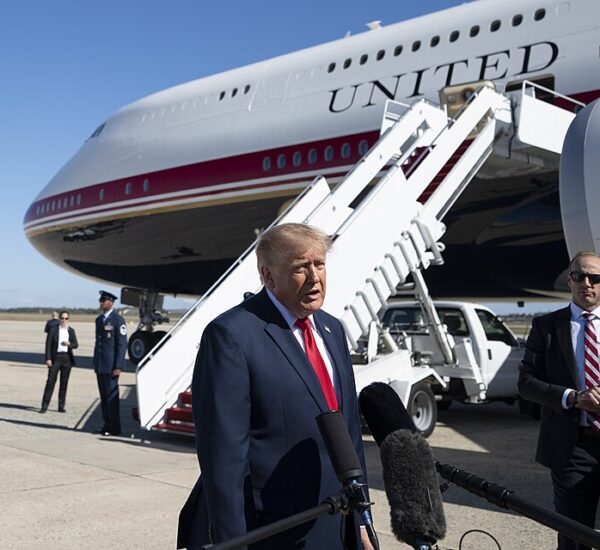
The latest controversy unfolded shortly after President Trump delivered his own warning to Iran concerning threats against senior American officials.
During a November 12 interview with conservative radio host Hugh Hewitt, Trump was asked how the United States would respond if Iran assassinated a high-ranking American official.
The president indicated that Tehran would face severe consequences.
His response reinforced the administration’s position that threats against American leaders cannot be treated lightly.
The comments also followed reports that several prominent administration officials had taken additional precautions because of potential security threats.
Treasury Secretary Scott Bessent confirmed that he had relocated from his Washington-area residence to a military installation after receiving guidance from the Secret Service.
Bessent explained that he was following the recommendations of security professionals while continuing his responsibilities in the administration.
Other prominent officials, including Secretary of State Marco Rubio and Defense Secretary Pete Hegseth, have also reportedly made protected housing arrangements.
The developments illustrate the security challenges confronting American officials as tensions with Tehran continue.
For the White House, the responsibility involves both protecting government personnel and determining how to respond without creating unnecessary additional escalation.
USS Spruance Returns After Historic Military Deployment
The Iranian warning arrived during an important moment for the sailors and families associated with the USS Spruance.
On November 13, the destroyer returned to San Diego after nearly a year away from home.
The deployment was particularly significant because it represented the longest mission completed by a U.S. Navy destroyer since World War II.
The Spruance originally departed California on November 21, 2025, as part of the USS Abraham Lincoln Carrier Strike Group.
Its mission was later extended while American forces carried out Operation Epic Fury against Iranian military targets.
According to the Navy, the warship traveled more than 88,000 nautical miles during its deployment.
Between February and August 2026, the destroyer launched dozens of Tomahawk cruise missiles against military positions in Iran.
Its crew also played an important defensive role while operating in a region where American vessels faced threats from missiles and unmanned aircraft.
Naval officials reported that the Spruance destroyed 12 drones and four anti-ship cruise missiles during the deployment.
These operations helped defend American military assets and personnel from incoming threats.
The warship also participated in efforts to enforce a U.S. naval blockade of Iranian ports.
In April, the USS Spruance confronted the Iranian-flagged cargo ship Touska after the vessel reportedly ignored multiple warnings issued by American naval forces.
U.S. Central Command reported that American forces took steps to protect the vessel’s crew before disabling its propulsion system.
The mission demonstrated the destroyer’s role in enforcing American military objectives throughout the region.
Following the ship’s return, Cmdr. Tate praised the sailors who served under his leadership and recognized their accomplishments during the demanding deployment.
What should have been a straightforward homecoming, however, was overshadowed by the threatening message directed at the ship’s two senior officers.
Iran’s Threats Raise Broader Security Concerns
The warning against the Navy commanders comes amid a series of developments involving alleged Iranian threats against American interests.
On November 10, the FBI placed Shahram Poursafi, an alleged operative linked to Iran’s Islamic Revolutionary Guard Corps, on its list of Most Wanted Terrorists.
Federal investigators allege that Poursafi played a role in a plot to assassinate former high-ranking American government officials, including John Bolton, who previously served as national security adviser.
The Justice Department also announced terrorism-related charges involving three men accused of participating in attacks or attempted attacks across Europe and the United States.
Those cases are separate from the latest warning against the Navy officers.
However, they provide important context for understanding why American security officials take Iranian threats seriously.
Reports of additional threats against American personnel abroad have also intensified concern about the possibility of retaliation following military operations.
The situation underscores the difficult balance facing U.S. policymakers.
American officials must evaluate credible security risks while ensuring that public statements and unverified allegations do not automatically lead to unnecessary confrontation.
Iranian Official Warns American Bases Could Be Targeted
Concerns about Tehran’s intentions have increased following additional statements from senior Iranian officials.
On November 11, Mohsen Rezaei, secretary of Iran’s Supreme National Security Council, warned that American military installations in Europe could face attacks if the United States resumed military strikes against Iran.
His comments suggested that any future military confrontation might not remain limited to installations located near Iranian territory.
Such warnings have added another layer of uncertainty to the already strained relationship between Washington and Tehran.
American forces maintain a significant international presence, including military installations supporting security operations, transportation routes and allied defense commitments.
Threats against those installations have implications not only for American troops but also for U.S. relationships with international partners.
The possibility of additional confrontation has kept attention focused on the administration’s military readiness and diplomatic strategy.
What The Latest Threat Means For American Security
The public identification of two American naval officers highlights an important concern in modern military conflicts.
Service members often complete dangerous assignments overseas with the expectation that returning home will bring an opportunity to reconnect with family and resume normal duties.
When foreign governments publicly threaten individual personnel, those statements can create security concerns extending beyond the original military operation.
The latest incident also raises questions about whether Iran intends to use intimidation as a political tool or pursue additional retaliatory measures.
At this stage, the embassy’s statement does not establish that an attack against either officer is underway.
Nevertheless, the combination of public threats, prior alleged plots and heightened military tensions gives American officials reasons to examine the situation carefully.
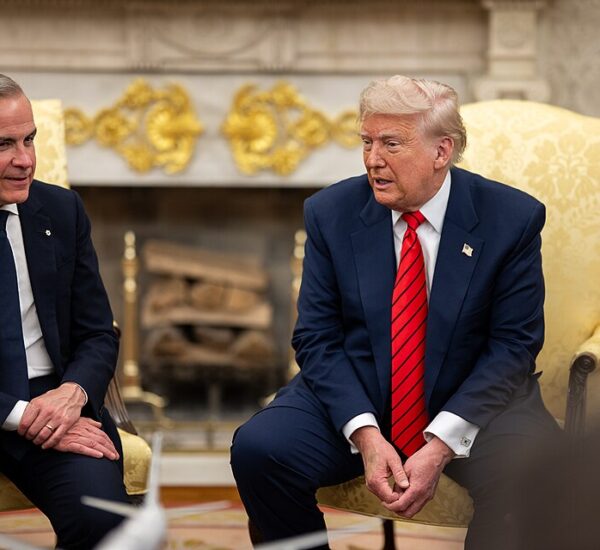
For President Trump and his national security advisers, the challenge is to protect American personnel while maintaining a clear and consistent approach toward Tehran.
What Happens Next For The United States And Iran?
The USS Spruance has completed an extraordinary deployment, and its crew has returned home following months of demanding military operations.
Yet the warning against its commanding and executive officer demonstrates that tensions between the United States and Iran remain unresolved.
American officials now face questions about whether additional protective measures are warranted and how Washington should respond to threats involving individual military personnel.
The Pentagon and White House were contacted for comment regarding the situation, according to the original November 15 report.
For American service members and their families, the central concern remains the safety of those who serve the country both overseas and at home.
As President Trump continues warning Iran against targeting Americans, the latest threat against two Navy officers places renewed attention on national security, military readiness and the risks of further confrontation between Washington and Tehran.