Republicans Return To DC Very Upset
Republicans are returning to Washington with growing frustration following a devastating midterm election that handed Democrats control of both chambers of Congress and raised serious questions about the Republican Party’s future.
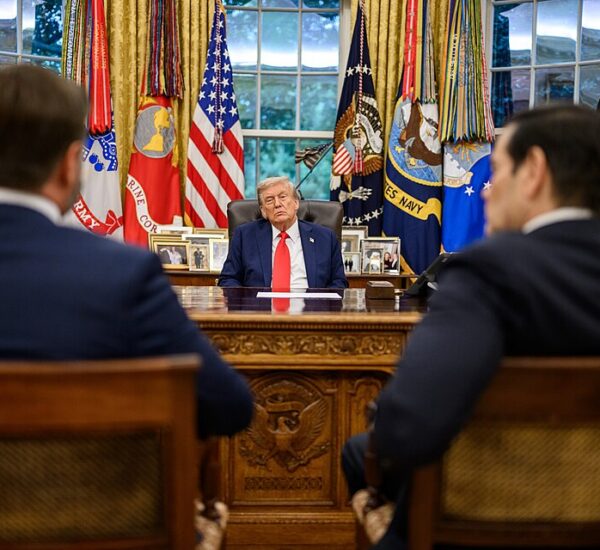
Much of that frustration is being directed at President Donald Trump, with GOP lawmakers, aides, and political strategists questioning whether his decisions contributed to the party’s disappointing performance.
According to The Hill, several Senate Republicans believe Trump’s political strategy, candidate endorsements, and campaign messaging played significant roles in the November 3 election results.
The losses have sparked an internal debate over how Republicans should move forward, especially as attention begins shifting toward the 2028 presidential election.
Republicans Question Trump’s Election Strategy
One of the biggest complaints involves Trump’s endorsement of Republican candidates who ultimately failed to win competitive Senate races.
GOP strategists have specifically pointed to contests in Texas, North Carolina, and South Carolina, where Trump-backed candidates suffered significant defeats.
Republican pollster Whit Ayres suggested that while Trump will remain an influential figure within the party, GOP lawmakers may become less willing to automatically support every decision coming from the White House.
Some Republican officials also believe the party failed to communicate its legislative achievements effectively during the campaign.
Senate Republicans had hoped to emphasize tax relief, economic policies, and other accomplishments they believed would appeal to American families.
Instead, party insiders complained that political controversies and disputes repeatedly overshadowed those issues.
Campaign Spending Creates Additional Frustration
Questions are also being raised about how Republican campaign resources were managed.
According to the report, GOP aides expressed frustration that hundreds of millions of dollars available to support Republican candidates were not deployed earlier in the election cycle.
Some believed that earlier spending could have helped candidates establish stronger positions in competitive states.
Trump’s political allies reportedly committed more than $400 million to helping Republicans maintain control of Congress, but critics argued that much of the spending came too late to make the greatest possible impact.
The president, meanwhile, has suggested that weak Republican candidates were responsible for the losses.
That explanation has not satisfied some Republicans who believe the party’s problems extend beyond individual campaigns.
Stephen Miller Appointment Sparks More Disagreement
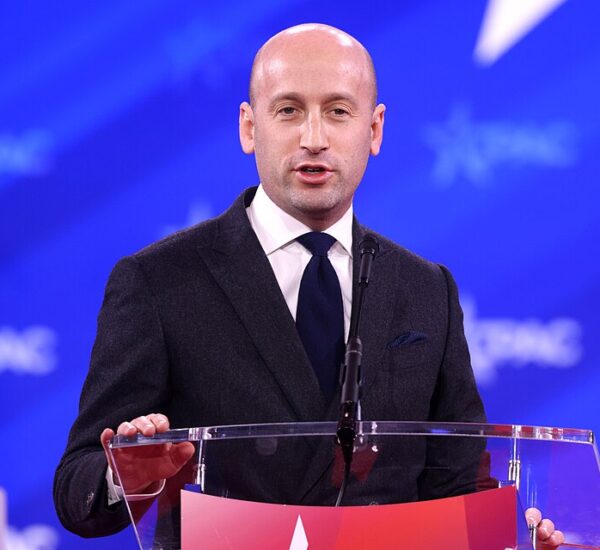
Another source of Republican frustration involves Trump’s decision to appoint Stephen Miller as White House chief of staff, replacing Susie Wiles.
Miller has been a prominent advocate of the administration’s immigration policies and remains closely associated with Trump’s political agenda.
However, some GOP lawmakers questioned whether placing Miller in such an influential position was the appropriate response to the election results.
Republican Sen. Thom Tillis of North Carolina strongly criticized the appointment, describing it as a major mistake.
Rep. Marlin Stutzman of Indiana also argued that significant election losses should lead to changes in political leadership rather than promotions for senior advisers.
The disagreement reflects a broader struggle within the Republican Party over whether to maintain its current political approach or make adjustments following the midterms.
Economic Concerns Remain A Major Challenge
Beyond campaign strategy, Republican officials are examining whether economic dissatisfaction contributed to the party’s setbacks.
Rising living expenses, international conflicts, and concerns about household finances became major issues during the election.
Some Republicans believe their party struggled to convince voters that its policies were improving everyday economic conditions.
Former Republican Sen. John Sununu, who lost his Senate race in New Hampshire, criticized the administration’s handling of the conflict with Iran and raised concerns about controversies involving Trump’s family business interests.
Former Sen. John Cornyn of Texas also questioned aspects of Trump’s trade and immigration policies, arguing that certain administration decisions went beyond what voters had originally expected.
These disagreements have intensified questions about the Republican Party’s direction.
GOP Faces Important Decisions Before 2028
Despite growing criticism, Trump continues to maintain substantial influence among Republican voters, making any major shift in party leadership or political strategy complicated.
Many conservatives remain supportive of his priorities, including border security, tax relief, and reducing government regulations.
However, Republican leaders must now determine how to regain support from independent voters and Americans concerned about the economy.
The party also faces immediate legislative challenges as Republicans prepare to surrender their congressional majorities in January.
Lawmakers still have a limited opportunity to advance legislation, address federal spending deadlines, and confirm presidential nominees before Democrats take control.
The coming weeks could reveal whether Republican frustration produces meaningful changes or simply deepens existing divisions.
With the 2028 election approaching, the GOP faces a difficult question: Can Republicans rebuild their electoral coalition while maintaining the support of Trump’s loyal political base?
The answer could determine the party’s direction for years to come.