Thune Looking To Stay In Power
Senate Republican Leader John Thune is preparing to fight for another term in leadership despite a devastating midterm election that handed Democrats control of the U.S. Senate.
The South Dakota Republican reportedly intends to seek the Senate minority leader position when GOP lawmakers hold their leadership elections on November 10. His decision comes as Republicans confront major questions about their political future following widespread losses in the 2026 midterms.
Although his party will no longer control the Senate when the new Congress takes office in January, Thune appears determined to remain at the center of Republican leadership in Washington.
Thune Refuses To Step Aside After GOP Defeat
Thune’s plans were confirmed by sources familiar with his intentions, according to multiple reports.
The longtime Republican senator had previously indicated that he intended to seek another leadership term regardless of the election results. However, the scale of Tuesday’s Democratic victories has created a considerably different political environment.
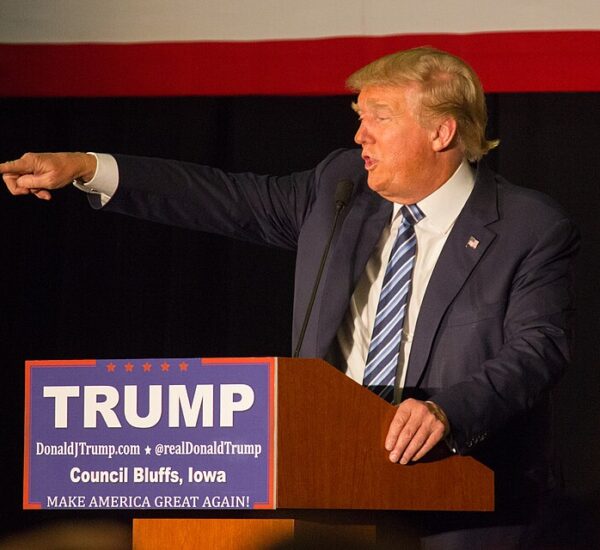
Republicans entered the election hoping to maintain control of Congress and continue advancing President Donald Trump’s legislative priorities.
Instead, Democrats captured both chambers, dealing Republicans a significant setback and raising concerns about the party’s ability to advance its agenda during the remainder of Trump’s presidency.
Despite those losses, Thune has not attracted a publicly announced challenger for the Senate Republican leadership position.
That could change as Republican lawmakers assess the election results and consider whether the party needs a different direction.
Conservative Frustration Creates Questions About Leadership
Thune’s decision to remain in leadership comes amid criticism from some conservatives who believe Senate Republicans failed to deliver on important legislative priorities while holding the majority.
One major source of frustration has been the Senate’s inability to advance the SAVE America Act, legislation focused on strengthening citizenship verification requirements for federal voter registration.
Although Thune supported the measure, disagreements over Senate procedures and the chamber’s 60-vote threshold prevented Republicans from moving the legislation forward.
President Trump previously urged Senate Republicans to reconsider the filibuster, a procedural rule that allows senators to block most legislation unless supporters can secure 60 votes.
Thune resisted eliminating the rule, arguing that preserving it could protect Republicans from Democratic legislation if the GOP eventually lost its majority.
With Democrats now preparing to take control, that argument may receive renewed attention.
Still, some conservative activists and commentators have questioned whether Republican leaders should remain in their positions following the party’s election losses.
Thune Promises To Fight Democratic Agenda
Despite the disappointing election results, Thune has made clear that he does not intend to abandon the Republican Party’s priorities.
In a statement posted on social media following the election, the South Dakota senator defended Republican accomplishments and promised continued opposition to Democratic efforts to reverse the Trump administration’s policies.
Thune pointed to Republican work on taxes, border security, and other domestic priorities while warning that Democrats could attempt to dismantle those initiatives.
His remarks suggest that he intends to position Senate Republicans as a major source of opposition to the incoming Democratic congressional majority.
While Democrats will control the legislative agenda, Republicans will still have opportunities to influence Senate proceedings, negotiate legislation, and challenge proposals they oppose.
The Senate minority leader will also play an important role in coordinating Republican strategy and maintaining communication with the White House.
Republican Leadership Faces Major Changes
Thune’s decision stands in contrast to developments in the House of Representatives.
House Speaker Mike Johnson has indicated that he will not seek another term in Republican leadership following the party’s loss of the House majority.
That decision has opened the door to a potential leadership contest involving several prominent House Republicans.
In the Senate, however, Thune appears to have a stronger position among his colleagues.
He became the chamber’s top Republican after succeeding longtime GOP leader Mitch McConnell, winning a competitive internal election following the 2024 presidential race.
Thune has since worked to manage competing interests within the Republican conference while navigating disagreements over legislation, spending, and Senate rules.
Although some conservatives have expressed dissatisfaction with his leadership, other Republican senators have defended his work and suggested that the party’s election losses should not automatically be blamed on him.
What Happens Next For Senate Republicans?
The upcoming leadership election could provide an early indication of how Republicans intend to respond to their midterm defeat.
Senate Republicans are scheduled to vote on November 10, with leadership positions determined through a secret ballot.
If Thune wins, he would continue leading Senate Republicans as minority leader when the new Congress convenes in January 2027.
That position would come with significant responsibilities as Democrats prepare to pursue their own legislative agenda and increase scrutiny of the Trump administration.
Republicans will also face difficult decisions about how to rebuild their electoral standing, address economic concerns, and prepare for future elections.
For Thune, the immediate challenge is securing continued support from his Republican colleagues while demonstrating that he can effectively lead the party from the minority.
The central question now is whether Senate Republicans will maintain their current leadership or decide that their election losses require a new approach.
With the leadership vote approaching, Thune’s political future could soon become an important test of the Republican Party’s direction in Washington.