Trump Says He Won’t Fire Lutnick
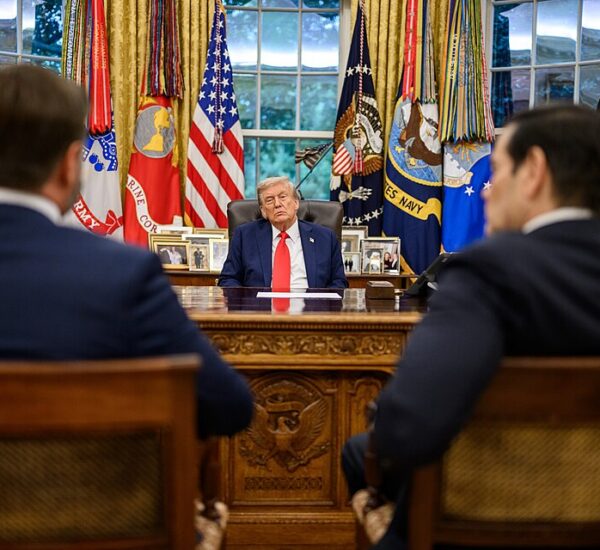
President Donald Trump is standing firmly behind Commerce Secretary Howard Lutnick, making it clear that he has no intention of removing the cabinet official despite growing controversy over the export of advanced American computer chips to China.
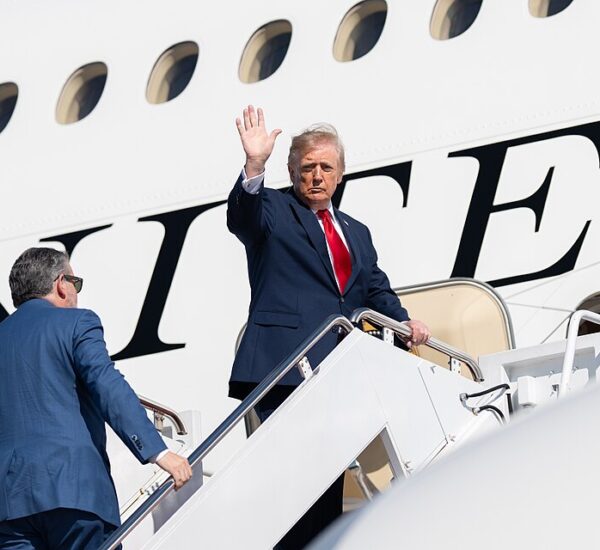
Speaking with reporters Monday before departing for a trip to Asia, Trump defended Lutnick’s performance and rejected suggestions that the Commerce secretary could lose his position over questions surrounding Nvidia technology and national security.
“He’s done a very good job,” Trump said when asked about Lutnick’s future in the administration.
The president’s comments come as lawmakers and senior administration officials raise concerns about whether the Commerce Department moved quickly enough to prevent sensitive American technology from reaching Chinese companies.
Trump Defends His Commerce Secretary
The controversy centers on restrictions governing the sale of advanced artificial intelligence chips manufactured by Nvidia, one of America’s leading technology companies.
These powerful computer chips play an increasingly important role in artificial intelligence, military technology, and other sophisticated computing systems. Their potential use by China has made export controls a major national security issue in Washington.
Lutnick has faced criticism over the Commerce Department’s handling of restrictions involving Megaspeed, a Singapore-based company that has come under scrutiny over its access to Nvidia technology and reported connections to China.
Treasury Secretary Scott Bessent has expressed frustration with the department’s approach, suggesting that stronger restrictions should have been implemented sooner.
However, Trump indicated that disagreements among his economic advisers reflect different strategies for managing America’s complicated relationship with Beijing.
Rather than immediately choosing sides, the president suggested that both approaches deserve consideration.
China Relations Complicate The Debate
Trump explained that his administration must consider the consequences of taking aggressive action against Chinese technology interests.
While protecting American national security remains an important priority, the president also emphasized the potential diplomatic and economic consequences of escalating tensions with Beijing.
According to Trump, moving too aggressively against certain Chinese business interests could undermine the relationship between the two countries.
The president pointed out that maintaining productive relations with China is also important as Washington negotiates trade agreements and addresses broader international security concerns.
His remarks suggest that the administration is attempting to balance two competing objectives: preventing China from obtaining sensitive American technology while avoiding unnecessary economic confrontation.
Trump also emphasized that Nvidia has been restricted from selling its most advanced chips, including its Blackwell technology, to China.
The distinction between older technology and cutting-edge American innovations has become a central issue in the debate over semiconductor exports.
Republican Lawmakers Demand Answers
The controversy has attracted attention on Capitol Hill, including from Republican lawmakers concerned about the potential national security consequences of American technology reaching China.
Some lawmakers have questioned whether existing export restrictions are strong enough to safeguard sensitive technology developed by American companies.
The concerns have intensified following reports involving former Nvidia CEO Jensen Huang and a woman suspected of having connections to Chinese intelligence.
Huang’s departure from Nvidia has added another dimension to the controversy, prompting additional questions about corporate leadership, government oversight, and the protection of American technological advantages.
Lutnick is expected to face congressional questioning regarding the Commerce Department’s decisions and its handling of companies suspected of helping China obtain restricted technology.
Lawmakers from both parties have indicated that they want greater transparency about how export decisions were made and whether national security warnings received appropriate attention.
Trump Maintains Confidence In His Team
Despite the criticism, Trump has shown no indication that he intends to remove Lutnick from his administration.
The president’s public defense comes at a sensitive moment as he prepares for discussions with major international leaders, including Chinese President Xi Jinping.
Those meetings are expected to address economic relations, trade, and national security matters that could have significant consequences for American businesses and workers.
The semiconductor industry is particularly important because the United States remains a leader in developing advanced computer technology.
Keeping that technological advantage while maintaining stable international trade relationships presents a significant challenge for policymakers.
For the Trump administration, the question is not simply whether American companies should conduct business with China. It is also how Washington can prevent sensitive innovations from strengthening a foreign competitor’s military and intelligence capabilities.
The debate has exposed differences within Trump’s economic team, but the president appears determined to keep those disagreements from becoming a cabinet shake-up.
For now, Lutnick retains the president’s confidence, even as congressional scrutiny continues.
Trump’s message was unmistakable: Howard Lutnick is staying in his position, and the administration will continue working through its disagreements over China policy without replacing the Commerce secretary.