Trump finally addressed it.
President Donald Trump has broken his silence following the Republican Party’s devastating midterm election losses, offering a revealing explanation for why GOP candidates struggled despite his efforts to help them win.
After Democrats captured control of both the House and Senate in Tuesday’s elections, Trump acknowledged that his popularity among supporters did not translate into enough votes for Republican candidates.
The president also admitted that the ongoing war with Iran and higher gasoline prices likely contributed to the GOP’s defeat. However, he defended his administration’s decisions and insisted that protecting America’s national security remained his top priority.
His comments come as Republicans face difficult questions about their political future and the challenges awaiting the Trump administration.
Trump Explains Why Republicans Lost
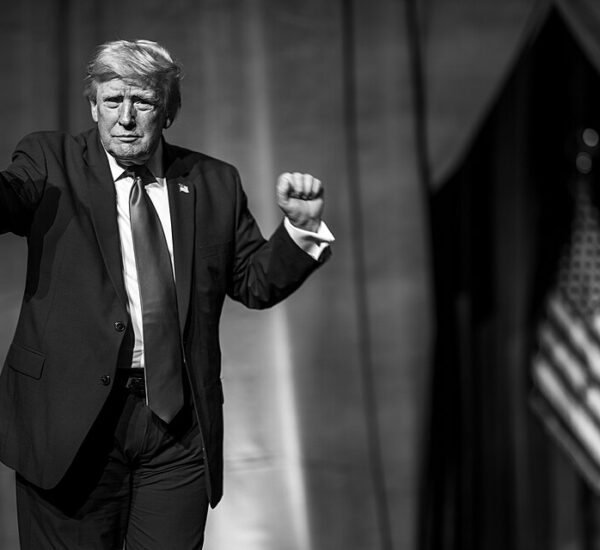
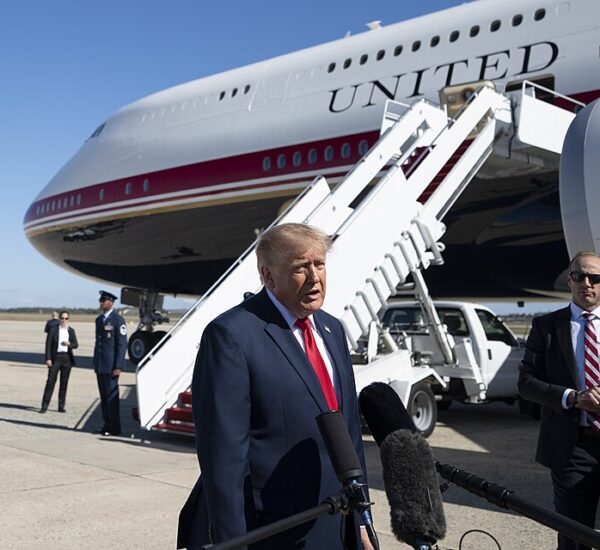
Speaking to reporters Wednesday at the White House, Trump pointed to the enormous crowds that attended his campaign rallies as evidence of his continued popularity.
He suggested Republicans would have performed considerably better if his own name had appeared on the ballot.
According to Trump, his supporters remained enthusiastic about his leadership, but that excitement did not carry over to other Republican candidates.
The president acknowledged that the party struggled to transfer the strong personal support he receives into victories in congressional races.
His assessment highlighted a significant challenge for Republicans as they consider their next steps following the election.
While Trump continues to command considerable loyalty within the Republican Party, individual candidates must also convince voters that they deserve support based on their own records and policy positions.
The election results suggest that presidential endorsements and large rallies cannot guarantee success when voters have concerns about the direction of the country.
Trump Acknowledges Iran War Hurt GOP
Trump also addressed Vice President JD Vance’s assessment that the conflict with Iran played a major role in the Republican Party’s defeat.
The president acknowledged that Vance’s argument was largely correct, particularly regarding the impact of higher gasoline prices.
The Iran conflict has placed additional pressure on energy markets, creating economic concerns for Americans already struggling with everyday expenses.
Higher fuel costs can affect more than the price of filling a vehicle. They can also increase transportation expenses for businesses and contribute to higher costs throughout the economy.
Despite those concerns, Trump defended his decision to pursue military action against Iran.
The president maintained that preventing Iran from developing nuclear weapons was too important to ignore, regardless of the potential political consequences.
He made clear that he would make the same decision again because he believes the long-term security risks outweigh the immediate political costs.
The remarks demonstrated that Trump remains committed to his foreign policy position despite the Republican Party’s electoral setbacks.
JD Vance Calls For Major Changes
Vice President Vance offered his own assessment following the election, outlining several areas where he believes Republicans must improve.
His priorities included ending the Iran conflict, addressing inflation and the cost of living, returning attention to America First policies, and reevaluating America’s relationship with Israel.
The vice president’s comments reflected growing concerns about the economic and political consequences of the war.
Trump did not publicly criticize Vance for his assessment.
Instead, the president indicated that he understood the vice president’s position and considered his comments reasonable.
The exchange suggests Republican leaders recognize the need to address voter concerns while determining how to move forward after losing control of Congress.
Democrats Gain Control Of Congress
The Republican losses have dramatically changed the political landscape in Washington.
With Democrats winning majorities in both chambers of Congress, Trump will face a more difficult legislative environment during the final two years of his presidency.
Democratic lawmakers will gain greater influence over legislation, committee leadership, and congressional investigations.
However, Trump indicated that he remains open to working with Democrats when possible.
The president also emphasized that he retains the power to veto legislation he opposes.
That authority could become particularly important if congressional Democrats advance proposals that conflict with the administration’s priorities.
While bipartisan cooperation remains possible, significant disagreements over government spending, economic policy, and national security could create challenges for both parties.
Trump Responds To Impeachment Questions
The president was also questioned about whether Democrats might pursue impeachment proceedings against him or members of his administration.
Trump dismissed the possibility and suggested that attempting impeachment without sufficient justification could create political problems for Democrats.
Although the incoming Democratic majorities will have greater oversight authority, any impeachment effort would require formal action by Congress.
The president continued defending his administration’s accomplishments and expressed confidence in his ability to manage the political challenges ahead.
His comments indicate that he is prepared for increased scrutiny from lawmakers while continuing to pursue his administration’s priorities.
Republicans Face Important Questions Moving Forward
The midterm defeat has raised serious questions about the Republican Party’s ability to maintain voter enthusiasm when Trump himself is not on the ballot.
The results also demonstrate the importance of economic issues in determining election outcomes.
Concerns about inflation, gasoline prices, and household expenses remain central to the national political debate.
For Republicans, rebuilding support will likely require a renewed focus on those concerns alongside efforts to develop candidates capable of appealing to a broader electorate.
Meanwhile, Trump faces the challenge of advancing his agenda while dealing with a Democratic-controlled Congress.
His response to the election makes one point particularly clear: the president recognizes the political damage caused by the Republican losses but remains unwilling to abandon decisions he believes were necessary for the country.
With the 2028 presidential election approaching, Republicans now face an important test of whether they can rebuild their political coalition and recover from one of their most significant electoral setbacks.