This was surprising to see.
Georgia Republican Gov. Brian Kemp is making a major political decision following his party’s disappointing election results, rejecting a move that could have given Republicans another opportunity to strengthen their position before Democrats take control of the governor’s office.
The outgoing governor announced Wednesday that he will not call a special legislative session to redraw Georgia’s political districts or reduce the authority of the state’s incoming Democratic governor.
The decision comes just one day after former Atlanta Mayor Keisha Lance Bottoms defeated Republican Rick Jackson in Georgia’s closely watched gubernatorial election.
Kemp’s announcement is particularly significant given his previous support for Republican redistricting efforts and his complicated political history with President Donald Trump.
Kemp Makes Major Announcement After Republican Defeat
Georgia Republicans suffered a significant setback during Tuesday’s midterm elections, losing control of the governor’s office after 24 years of Republican leadership.
Bottoms’ victory represents a major political shift in a state that has played an increasingly important role in national elections.
With Republicans preparing to surrender the governor’s office in January, questions emerged about whether state lawmakers might attempt to redraw political boundaries or change executive powers before Democrats assumed control.
Kemp quickly rejected both possibilities.
“The voters of our state have spoken,” Kemp said in a statement Wednesday.
The Republican governor emphasized that his administration would respect the election results and continue following Georgia’s laws and constitution.
He also made clear that he would not authorize a special session to reconsider district boundaries or restrict the incoming governor’s authority.
The announcement effectively eliminates the possibility of Kemp using his final weeks in office to advance those proposals through a special legislative session.
Trump’s Political Priorities Face Another Obstacle
Kemp’s decision carries broader implications for Republicans and their efforts to maintain influence over Georgia’s congressional representation.
Redistricting has been a major political issue nationwide, with Republicans and Democrats examining how changes to congressional boundaries could affect future elections.
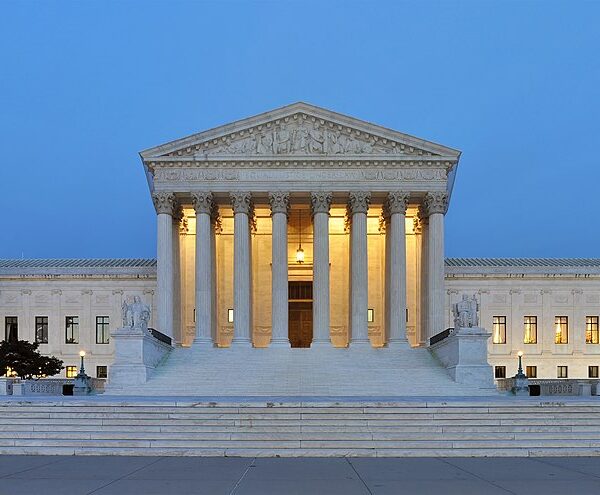
Earlier in 2026, Kemp encouraged Georgia lawmakers to revisit the state’s congressional and legislative maps following a Supreme Court decision involving the Voting Rights Act.
Republican legislative leaders declined to immediately advance the changes, raising concerns about pending litigation and the need for a more transparent process.
Now, with Democrats preparing to occupy the governor’s office, Kemp has ruled out another special session devoted to the issue.
The move presents an additional challenge for Republicans hoping to strengthen their electoral position ahead of the 2028 elections.
It also highlights the sometimes complicated relationship between Kemp and Trump.
Although both men belong to the Republican Party and share many conservative policy priorities, they have disagreed over election-related matters in the past.
Their most prominent disagreement followed the 2020 presidential election, when Kemp refused Trump’s calls for actions challenging Georgia’s certified election results.
Kemp’s latest decision does not necessarily represent a reversal of his support for Trump’s broader political agenda. However, it does demonstrate his willingness to reject an approach that some Republicans believe could benefit their party.
Democrats Secure Historic Victory In Georgia
The political developments followed a difficult election night for Georgia Republicans.
Bottoms defeated Jackson to become Georgia’s next governor, ending more than two decades of Republican control over the state’s highest executive office.
Her election is historic for another reason: She is set to become the first Black woman to serve as governor of a U.S. state.
Democratic Sen. Jon Ossoff also secured reelection, while other Democratic candidates won important statewide contests.
The results reflect the increasingly competitive nature of Georgia politics.
Once considered a dependable Republican stronghold, Georgia has become a key battleground where both parties compete for suburban voters, independents and other important voting groups.
For Republicans, the latest results raise questions about campaign strategy, voter participation and the party’s ability to regain support before the next election cycle.
Those concerns could become particularly important as national Republicans prepare for the 2028 presidential election.
Kemp Calls On Republicans To Reconsider Their Strategy
Rather than pursuing immediate legislative action following the defeat, Kemp urged Republicans to evaluate their performance and return their attention to the principles that have traditionally shaped the party.
The governor argued that Republicans should learn from the election results and focus on policies promoting freedom, security and prosperity.
His comments suggested that the party’s future success will depend on persuading voters rather than relying on last-minute changes to the political landscape.
Kemp also congratulated Bottoms and Ossoff on their victories while thanking Republican candidates for their campaigns.
For Georgia conservatives, the message comes at a consequential moment.
Republicans must now determine how to approach an incoming Democratic administration while defending their legislative priorities and preparing for future statewide elections.
The governor’s position could also influence discussions within the Republican Party about how best to recover from the November defeat.
Georgia Redistricting Battle Could Continue
Although Kemp has rejected another special session, the broader controversy surrounding Georgia’s congressional districts is unlikely to disappear.
Political district boundaries determine which voters are represented by particular members of Congress and the state legislature.
Changes to those boundaries can significantly influence electoral competition, making redistricting one of the most consequential issues in state politics.
Republicans previously supported reconsidering Georgia’s maps after the Supreme Court narrowed certain federal voting-rights protections.
However, legal disputes and disagreements over the process prevented lawmakers from moving forward with new boundaries earlier in the year.
With Bottoms preparing to become governor, any future redistricting debate will take place under a different political arrangement.
Republican legislators may still pursue changes through the normal legislative process, but their ability to enact those proposals could face additional obstacles.
The courts could also play an important role in determining how the state’s political boundaries are addressed.
Kemp Leaves Door Open For Emergency Budget Action
Despite rejecting a special session involving redistricting or executive powers, Kemp did not completely eliminate the possibility of bringing Georgia lawmakers back to Atlanta before January.
The governor acknowledged that certain state budget matters might require legislative attention before the General Assembly begins its regular session in 2027.
His administration will continue reviewing Georgia’s financial situation and communicating with legislative leaders.
However, Kemp has drawn a clear distinction between addressing potential fiscal concerns and pursuing political changes following the election.
For now, his administration intends to oversee the transition while evaluating whether additional budget-related action is necessary.
What Kemp’s Decision Means For Republicans
Kemp’s announcement creates another important development in Georgia’s changing political landscape.
For years, Republicans controlled the governor’s office and maintained considerable influence over state policy.
That balance is now changing.
The incoming Democratic administration will have an opportunity to shape Georgia’s political priorities, while Republicans must decide how to defend their positions and rebuild their statewide coalition.
Kemp’s rejection of a special session also underscores a continuing debate within the Republican Party over how aggressively elected officials should pursue political advantages following electoral setbacks.
Some conservatives may prefer a more confrontational approach, while others believe Republicans should concentrate on restoring voter confidence and developing a stronger message.
For Trump and national Republicans, Georgia remains a politically important state where future election results could influence the balance of power in Washington.
Kemp’s latest decision leaves Georgia Republicans facing a difficult question: Will the party regain its political momentum by returning to traditional conservative priorities, or will its recent election losses lead to a broader debate over its future direction?