Here’s what Trump just learned.
President Donald Trump is facing a troubling new national security warning after U.S. intelligence officials revealed that Iran has intensified efforts to target Americans overseas, raising serious concerns about the safety of American personnel throughout the Middle East.
The warning comes as the Trump administration considers additional military action against Tehran, while American embassies take extraordinary precautions to protect diplomats and their families.
According to an intelligence memorandum dated October 23, Iranian operations targeting U.S. citizens have reached an advanced stage.
The development has prompted immediate security concerns in Washington, with officials working to determine how to protect Americans while preventing the conflict from escalating further.
Intelligence Officials Deliver Alarming Warning
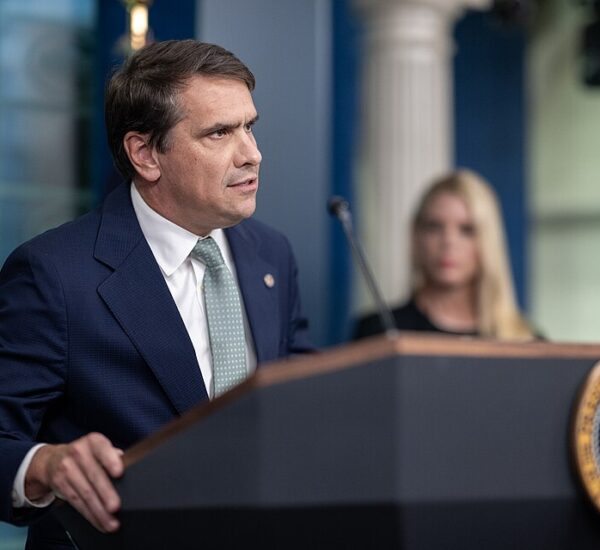
Director of National Intelligence Jay Clayton issued the warning in a memorandum addressed to Secretary of State Marco Rubio.
The intelligence assessment indicated that Iran has significantly increased efforts to target American government personnel and other U.S. citizens abroad.
According to the memorandum, some potentially deadly plots have progressed well beyond preliminary planning.
CIA Director John Ratcliffe was also copied on the warning, underscoring the involvement of senior American intelligence officials.
The memorandum did not publicly identify specific targets, countries outside the Middle East, or the timing of possible attacks.
Nevertheless, the intelligence was considered serious enough to prompt additional protective measures.
Clayton also indicated that intelligence agencies were working to make sensitive threat information available to more State Department personnel.
That effort is intended to help American officials understand potential dangers and take appropriate security precautions.
American Embassies Take Emergency Precautions
The intelligence warning comes as the State Department reduces staffing at several American diplomatic facilities.
Earlier in the week, U.S. officials ordered nonessential government employees and eligible family members to leave diplomatic posts in Saudi Arabia.
American embassies in four additional countries are also operating with reduced staffing.
Those countries include:
- Jordan
- Lebanon
- Qatar
- United Arab Emirates
The diplomatic facilities have not been completely shut down. Instead, they are operating under restricted conditions that provide greater flexibility in personnel decisions.
Officials have cited concerns involving both Iranian operations and attacks by the Iran-backed Houthi movement in Yemen.
The precautions demonstrate how seriously Washington is treating the security environment.
For Americans serving their country overseas, the changes could mean additional restrictions, altered assignments, and increased security measures.
Trump Weighs His Next Move Against Iran
The latest warning arrives as President Trump faces another difficult decision involving the ongoing conflict with Iran.
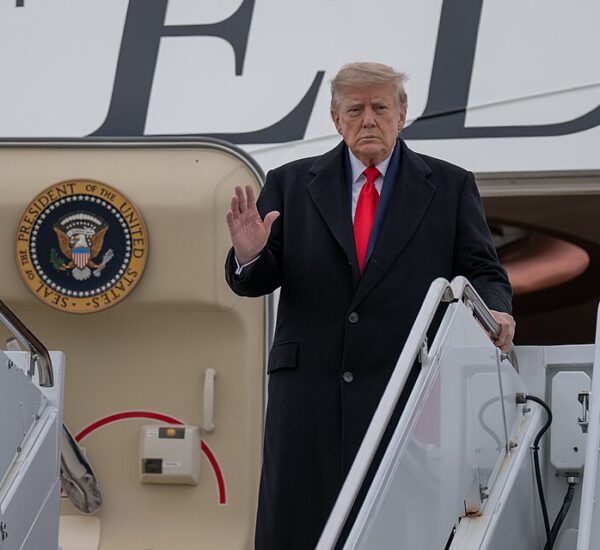
During a Friday appearance in Florida, Trump suggested the United States could launch additional military operations if Iranian leaders refuse to pursue an agreement.
The president’s remarks reflected the administration’s willingness to maintain military pressure while leaving room for negotiations.
However, the new intelligence warning adds another complication.
Any additional military action could bring the possibility of retaliation against American personnel stationed throughout the region.
At the same time, failing to respond effectively to credible security threats could leave diplomats and military personnel facing continued danger.
The administration must now consider how to maintain American military strength, protect personnel, and prevent the conflict from expanding.
With U.S. forces already deployed throughout the Middle East, those decisions carry considerable consequences.
Iran Threat Raises Serious Questions About American Safety
The intelligence findings raise broader questions about the security of Americans working and traveling overseas.
American military installations, diplomatic compounds, and government facilities have long required extensive protective measures in unstable regions.
The possibility of coordinated attacks adds urgency to those existing concerns.
However, officials have not publicly established that an attack against Americans inside the United States is imminent.
The memorandum specifically addresses intelligence involving the Middle East and certain other unidentified countries.
That distinction matters because the warning concerns reported plots, not confirmed attacks that have already occurred.
Meanwhile, American intelligence agencies continue working to identify potential threats and distribute information to personnel who may be affected.
The State Department has also updated travel advisories across parts of the Middle East, reflecting the heightened risks.
For American families with loved ones stationed overseas, those warnings are especially important.
Middle East Tensions Could Affect American Families
The ongoing confrontation with Iran also carries economic consequences.
The Strait of Hormuz remains one of the world’s most important shipping routes for energy supplies.
Attacks and disruptions involving commercial vessels have increased concerns about the stability of international oil transportation.
Any prolonged interruption could place additional pressure on global energy markets.
That matters to Americans because changes in energy costs can eventually influence gasoline prices, transportation expenses, and the cost of consumer goods.
Households relying on retirement income or carefully managed monthly budgets may be particularly sensitive to unexpected increases in living expenses.
The Trump administration must therefore consider both national security and potential economic consequences as it evaluates its options.
The situation is especially complicated because military developments can influence energy markets even before any major interruption in supply occurs.
New Warning Comes At Critical Political Moment
The intelligence alert also arrives shortly before the November 3 midterm elections.
National security, military spending, and economic stability remain important subjects in the national political debate.
The administration’s handling of Iran is likely to attract additional scrutiny as the election approaches.
Some policymakers believe stronger military deterrence is necessary to discourage Iranian aggression and protect American interests.
Others question whether additional strikes could increase the risks facing U.S. personnel and prolong the regional conflict.
Both concerns present difficult questions for Washington.
The immediate challenge is determining how to respond to reported threats without exposing additional Americans to danger.
As intelligence officials continue assessing Iran’s capabilities and intentions, the administration will need to balance military preparedness with diplomatic options.
What Happens Next For President Trump?
The latest warning has placed renewed attention on the administration’s next steps.
American officials are continuing to adjust security arrangements, reduce unnecessary exposure at diplomatic facilities, and share intelligence about potential threats.
At the same time, the White House faces decisions about whether to pursue further military action or renewed negotiations with Tehran.
The intelligence memorandum does not establish when an attack might happen or whether any particular operation will succeed.
But it does indicate that American officials believe the threat has grown serious enough to justify additional precautions.
For President Trump, the stakes extend beyond the immediate confrontation with Iran.
The decisions made in Washington could influence the safety of American service members, the security of diplomatic personnel, and stability throughout the Middle East.
With intelligence agencies reporting a heightened threat against Americans overseas, the administration faces growing pressure to protect U.S. personnel while preventing another dangerous escalation.