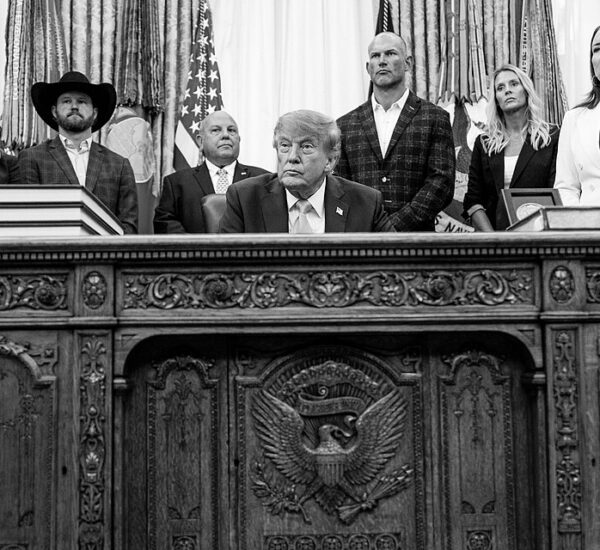
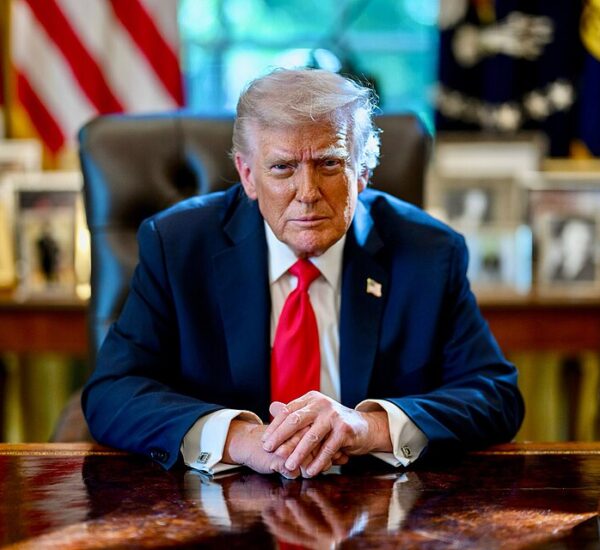
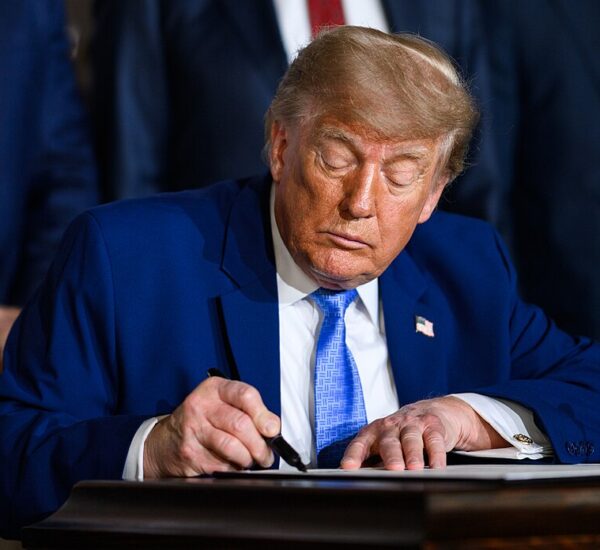
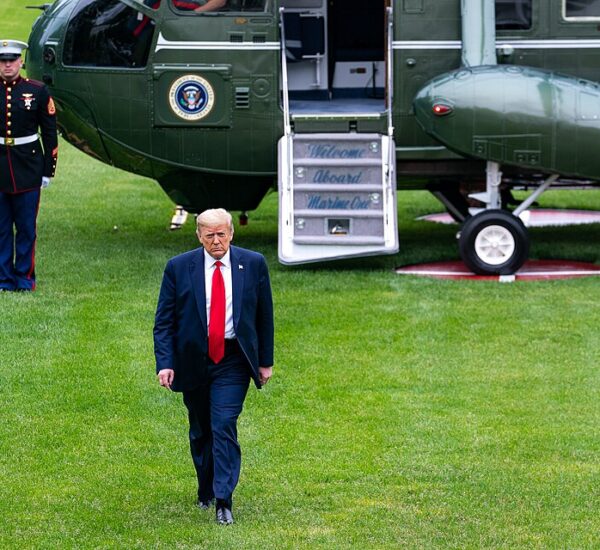
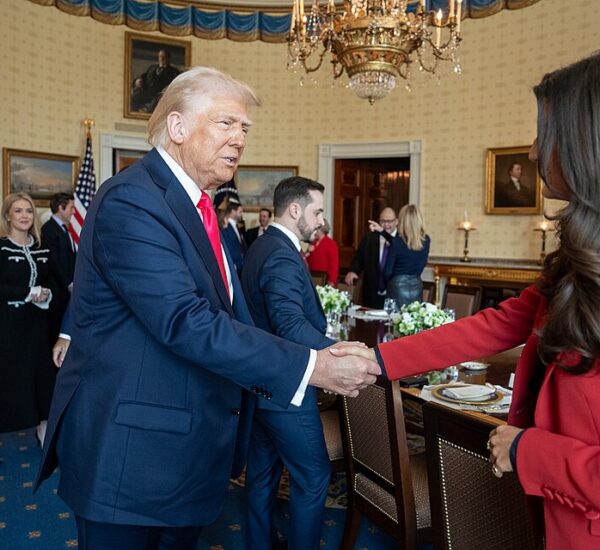
Donald Trump announced on Saturday that he is nominating Lance Schroyer to serve as the next director of Immigration and Customs Enforcement. Trump made the announcement on his Truth Social platform, describing Schroyer as a former Marine and a “PATRIOT with real operational experience,” and calling him a “proven leader with DECADES of experience locking up the worst of the worst.” The nomination comes as the agency prepares for new leadership following recent changes at the top.
BACKGROUND
The move follows the resignation of former ICE director Todd Lyons at the end of May. Since then, David Venturella, a former executive at a private prison operator, has been serving as acting head of the agency. If confirmed, Schroyer would take charge of ICE during a period when public sentiment has reportedly shifted regarding Trump’s immigration enforcement approach. The crackdown has included surges of federal immigration officers in several American cities aimed at rounding up immigrants. Those operations have contributed to heightened tensions and clashes between protesters and law enforcement, including incidents that led to the fatal shootings of two U.S. citizens in Minneapolis earlier this year.
Supreme Court Closer To Major Trump Ruling
The U.S. Supreme Court is entering the final days of its current term, with several of the year’s most closely watched rulings still waiting to be announced.
The remaining decisions could have far-reaching consequences for presidential authority, election laws, campaign finance, constitutional rights, women’s sports, and Americans’ digital privacy. Because the court traditionally concludes its work before beginning its summer recess, the final opinions could be released at any time.
In recent days, the Supreme Court has already delivered several significant wins for the Trump administration. Those rulings allowed the administration to restore stricter asylum policies and move forward with ending Temporary Protected Status (TPS) for hundreds of thousands of migrants from Haiti and Syria.
Now attention is turning to the cases that remain.
Birthright Citizenship Could Be Reshaped
One of the most anticipated cases involves President Donald Trump’s executive order limiting automatic birthright citizenship for children born in the United States to parents who are either in the country illegally or temporarily.
While the constitutional debate surrounding birthright citizenship has received the most public attention, legal experts say the case could also produce an important ruling on nationwide injunctions. The justices may decide whether a single federal judge should be able to block a president’s policy across the entire country before the case is fully resolved.
Such a ruling could significantly affect how future presidents implement executive actions.
Presidential Power Over Independent Agencies
Another major case asks whether President Trump has the authority to remove Federal Reserve Governor Lisa Cook before her term expires.
The decision could clarify how much control presidents have over officials serving at independent federal agencies that Congress intended to operate separately from direct White House influence.
The Supreme Court is also reviewing Trump’s removal of Federal Trade Commission Commissioner Rebecca Slaughter.
If the administration prevails, the ruling could expand presidential authority over the executive branch while reducing long-standing employment protections for leaders of independent regulatory agencies.
Transgender Athlete Cases Draw National Attention
The justices are also preparing to rule on challenges involving Idaho and West Virginia laws that prohibit transgender athletes from competing in girls’ and women’s sports.
Supporters of the laws argue they protect fairness in women’s athletics, while opponents contend the restrictions violate federal civil rights protections.
The decisions could establish an important legal framework for similar laws that have been enacted across numerous states.
Election Rules Could Be Affected
Another closely watched case centers on absentee voting procedures in Mississippi.
The dispute asks whether mail ballots that are postmarked by Election Day but arrive afterward should still be counted.
A ruling could influence election procedures in Mississippi while also providing guidance for other states with comparable mail-in voting systems.
Because election administration remains a major national issue, the outcome is expected to receive significant attention ahead of future federal elections.
Campaign Finance Restrictions Under Review
The Supreme Court is also examining whether federal limits on coordinated spending between political parties and their candidates violate First Amendment free speech protections.
If the court sides with the challengers, political parties could gain substantially greater flexibility to coordinate campaign spending directly with candidates, potentially reshaping future congressional and presidential campaigns.
Digital Privacy and Government Surveillance
Another major case could become one of the court’s most important Fourth Amendment decisions in years.
The justices are reviewing whether law enforcement agencies may use “geofence” warrants to collect location data from technology companies for every device that was near a crime scene during a specific time period.
Privacy advocates argue the practice sweeps up information from countless innocent Americans, while law enforcement officials say the technology has become an important investigative tool.
The court’s decision could establish new constitutional limits on digital surveillance and personal privacy in the smartphone era.
Several Landmark Decisions Are Expected Soon
With only a handful of opinions remaining before the Supreme Court concludes its term, Americans are watching closely for rulings that could shape federal policy for years to come.
From presidential powers and constitutional protections to election law, campaign finance, women’s sports, immigration, and digital privacy, the court’s remaining decisions are expected to influence future administrations, lawmakers, and millions of Americans long after this term comes to an end.