You won’t believe what happened.
Justice Amy Coney Barrett’s Supreme Court opinion on mail-in ballots sparked criticism from conservatives and prompted President Donald Trump to renew calls for the SAVE Act.
Supreme Court Decision Ignites Election Integrity Debate
A closely divided Supreme Court ruling on mail-in ballots has sparked intense reaction across the political spectrum, with many conservatives expressing disappointment after Justice Amy Coney Barrett authored the court’s 5-4 majority opinion.
The decision upheld a Mississippi election law that permits certain mailed ballots to be counted even if they arrive after Election Day, provided they were cast in accordance with state law. Barrett, who was nominated to the Supreme Court by President Donald Trump in 2020, wrote the majority opinion.
Joining Barrett were Chief Justice John Roberts and Justices Sonia Sotomayor, Elena Kagan, and Ketanji Brown Jackson. The court’s four remaining conservative justices dissented, arguing that federal election law requires ballots to be received by Election Day.
What the Majority Opinion Said
In her opinion, Barrett concluded that federal law establishes Election Day as the deadline for voters to cast their ballots but does not explicitly require election officials to receive every ballot by that date.
According to the majority, Congress has set a deadline for when voters must make their choice, while leaving states with flexibility regarding when properly cast mail-in ballots may be received and counted.
The ruling immediately became one of the most closely watched election law decisions in recent years because of its potential impact on future federal elections.
Conservative Leaders Respond
The decision drew sharp criticism from many Republican lawmakers, legal scholars, and election integrity advocates.
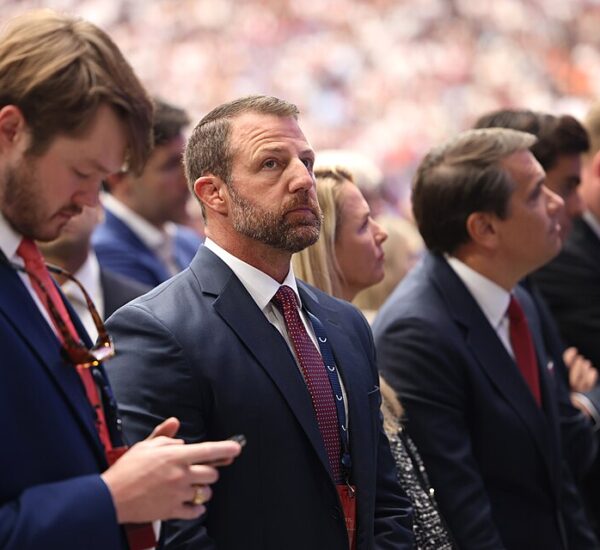
Missouri Senator Eric Schmitt called the ruling “shockingly wrong,” arguing that the decision weakens election integrity by allowing states to count ballots that arrive after Election Day. He also renewed his support for the SAVE Act, legislation designed to strengthen voter identification and citizenship verification requirements.
Political commentator Josh Hammer said Barrett has disappointed conservatives in several significant Supreme Court cases, while author Hans Mahncke argued the ruling represented another major break from the judicial philosophy many conservatives expected when Barrett joined the Court.
Representative Abe Hamadeh’s office also criticized the decision, saying Americans should be able to rely on Election Day serving as the clear deadline for determining election results.
Retired Army Captain Seth Keshel likewise expressed frustration with the ruling, while constitutional attorney KrisAnne Hall questioned Barrett’s interpretation of historical legal principles and argued that the opinion departed from the original understanding of federal election law.
Election Integrity Organizations Raise Concerns
Several organizations focused on election security also criticized the Supreme Court’s decision.
Jason Snead, executive director of the Honest Elections Project, said the ruling missed an opportunity to reinforce public confidence in the election process.
Snead argued that requiring ballots to be received by Election Day provides clear and consistent election standards while helping maintain trust in election outcomes.
Hans von Spakovsky, a former Federal Election Commissioner and senior legal fellow, also criticized the decision. Citing Justice Samuel Alito’s dissent, he argued the majority opinion conflicts with both the text of federal election law and longstanding historical practice.
Justice Alito warned in his dissent that allowing ballots to arrive after Election Day could further weaken public confidence in election integrity, a concern echoed by several conservative legal experts following the ruling.
Renewed Focus on the SAVE Act
The Supreme Court’s decision also renewed attention on the SAVE Act, legislation supported by President Trump and many congressional Republicans.
Supporters of the bill argue it would strengthen election security by requiring documentary proof of U.S. citizenship for voter registration and expanding voter identification requirements in federal elections.
Representative Greg Steube said Senate rules remain the primary obstacle preventing the legislation from advancing, urging lawmakers to move the bill forward.
Trump Reacts to the Supreme Court Decision
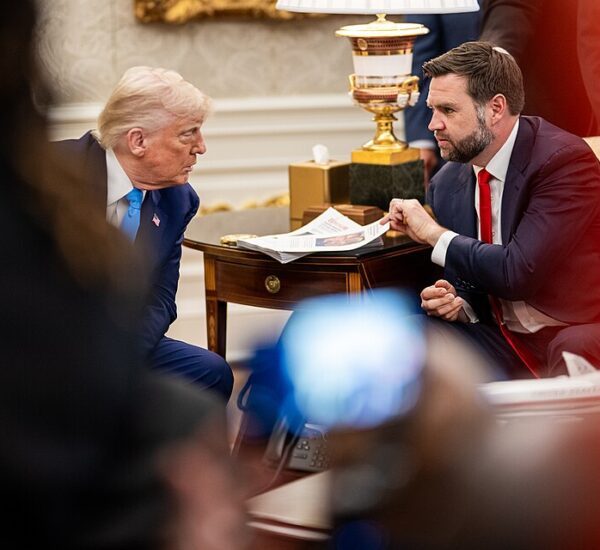
President Trump responded to the ruling on Truth Social, describing it as a “tremendous loss” for election integrity.
Trump reiterated his support for requiring photo identification, proof of citizenship for voter registration, and limiting mail-in voting except in specific circumstances permitted by law.
He also urged the Senate to pass the SAVE Act, noting that the House of Representatives has approved the legislation multiple times. Trump criticized several Republican senators whom he believes should support the measure, arguing that stronger election security remains a top national priority.
Why the Ruling Matters
The Supreme Court’s decision is expected to play a significant role in the ongoing national debate over election administration and voting laws.
Supporters of the ruling argue that states should retain flexibility in administering elections and ensuring legally cast ballots are counted. Critics contend that requiring ballots to be received by Election Day provides greater certainty, consistency, and public confidence in election results.
As Congress continues debating election reform proposals such as the SAVE Act, Monday’s decision is likely to remain a central issue in discussions surrounding mail-in voting, voter identification, and election integrity ahead of future federal elections.
Key Takeaways
- The Supreme Court ruled 5-4 in favor of Mississippi’s mail-in ballot law.
- Justice Amy Coney Barrett authored the majority opinion.
- Four conservative justices dissented from the decision.
- Conservative lawmakers and election integrity advocates criticized the ruling.
- President Trump renewed his call for passage of the SAVE Act.
- The decision is expected to influence future debates over election law and mail-in voting across the United States.