This was a major win for America.
President Donald Trump announced plans Monday for a massive new steel plant in Iowa that is expected to create roughly 1,750 permanent jobs and thousands of construction positions.
The approximately $15 billion project, planned by Mesabi Metallics, would rank among the largest new industrial investments in the United States if completed as proposed.
For Iowa, the announcement could mean a major influx of construction activity, manufacturing jobs and long-term investment.
For the broader U.S. economy, the project highlights an increasingly important question: Can America rebuild more of the heavy industry and critical supply chains that once supported manufacturing communities across the country?
Nearly 1,750 Permanent Jobs Planned
The proposed Iowa steel facility is expected to create approximately 1,750 permanent jobs once fully operational.
During construction, the first phase could also support an estimated 5,000 to 6,000 jobs.
Those numbers make the project especially significant at a time when manufacturing employment, domestic investment and the future of American industry remain major economic concerns.
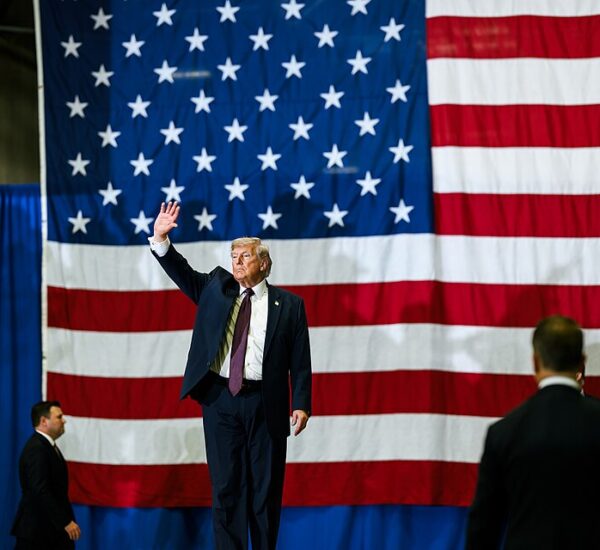
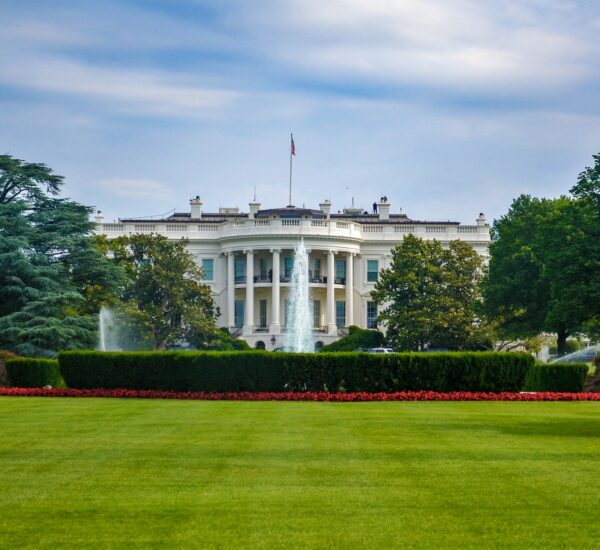
Trump announced the project at the White House alongside executives from Mesabi Metallics and administration officials.
Reuters reported that the White House placed the planned investment at approximately $15 billion.
Massive Steel Production Planned
The proposed plant is expected to become one of the largest steelmaking facilities in the United States.
Initial production capacity is projected at approximately 7.5 million tons of steel annually.
Eventually, that figure could climb to roughly 10 million tons per year.
The White House has described the development as the first new American “mega-steel” plant since the 1960s. ABC News also reported that the administration is describing the project in those terms.
If those production targets are reached, the facility could represent a major addition to America’s domestic steel industry.
Steel is a key material for automobiles, construction, bridges, pipelines, machinery, energy infrastructure and military equipment.
That makes steel production important not only for manufacturing jobs, but also for infrastructure spending and national security.
American Iron Ore Would Supply the Plant
Another major feature of the project is its planned domestic supply chain.
Mesabi Metallics is developing an iron ore mine and pellet facility in Nashwauk, Minnesota, that could provide raw material for the Iowa steel operation.
The company says it has invested more than $2.5 billion in the Minnesota development.
Mesabi also says the operation is designed to produce approximately 7 million metric tons of direct-reduction-grade iron ore pellets annually while supporting more than 350 permanent jobs once fully operational.
That creates the possibility of a supply chain in which American iron ore is mined in Minnesota, processed domestically and ultimately turned into finished steel in Iowa.
For policymakers focused on U.S. manufacturing and supply-chain security, that domestic connection could prove particularly important.
Why Domestic Steel Matters
America’s dependence on foreign manufacturing has become a major economic and national security issue in recent years.
Supply disruptions during global emergencies demonstrated how quickly shortages can affect businesses, consumers and critical industries.
Steel is especially important because it is used throughout the economy.
Domestic steelmaking supports sectors ranging from construction and transportation to energy, agriculture and defense.
Supporters of expanding American production argue that new factories can reduce dependence on imported materials while creating jobs and investment in U.S. communities.
The Iowa proposal fits directly into that broader reshoring trend.
Trump Points to Tariffs and Reshoring
Trump has made tariffs and domestic manufacturing central parts of his economic agenda.
His administration has argued that making certain foreign-made products more expensive can encourage corporations to invest inside the United States instead of relying heavily on overseas production.
Steel has been one of the clearest examples of that strategy.
Trump increased tariffs on many imported steel and aluminum products to 50%.
Supporters say the policy gives American producers more room to expand, hire workers and invest in new facilities.
Critics argue that tariffs can also raise prices for U.S. businesses that purchase steel to manufacture cars, machinery, appliances and other products.
That means the long-term economic impact depends partly on whether additional domestic investment and production offset the higher costs faced by steel-consuming businesses.
Billions in American Industrial Investment
The Iowa steel plant would be connected to billions of dollars already being invested in Minnesota.
Mesabi Metallics says its Minnesota mine and pellet facility is approximately 97% complete and has employed large numbers of construction workers during development.
The company has also been hiring for permanent operational positions as it prepares the Minnesota facility for commercial production.
Taken together, the planned Iowa steel mill and Minnesota mining operation represent a large bet on America’s industrial future.
The combined projects involve mining, transportation, steel production, construction, skilled trades and supporting businesses.
Those industries can generate economic activity beyond the workers directly employed at the facilities.
National Security Could Be a Major Benefit
The White House is also emphasizing the defense implications of the project.
The planned Iowa plant is expected to be capable of producing high-grade steel used in applications connected to national defense and critical infrastructure.
The United States requires reliable access to metals for military vehicles, ships, weapons systems, energy infrastructure and transportation networks.
A domestic steel supply chain could reduce exposure to disruptions involving overseas producers.
That concern has become increasingly important as governments reassess their dependence on foreign countries for critical minerals, semiconductors, energy equipment and industrial materials.
The Project Will Take Years
Despite the enormous investment and employment projections, the steel plant will not appear overnight.
Current plans call for production to begin around 2030.
That leaves several years of engineering, financing, construction and equipment installation before the facility could reach commercial production.
Large industrial developments can also encounter delays.
Mesabi Metallics’ Minnesota operation has a complicated history stretching back many years, including financing difficulties and a bankruptcy involving a predecessor company.
The project has since advanced substantially.
Mesabi currently says its Minnesota mine and pellet plant is nearing completion and is preparing for commercial operations.
That history is an important reminder that the ultimate economic impact of the Iowa announcement will depend on whether construction proceeds according to plan.
What It Could Mean for Iowa Workers
For Iowa families, the most immediate attention will likely focus on employment.
Approximately 1,750 permanent positions would represent a sizable addition to the state’s industrial workforce.
Thousands more workers could be needed during construction.
Large manufacturing facilities can also create demand for electricians, welders, truck drivers, equipment operators, engineers, maintenance workers, contractors and local suppliers.
Restaurants, housing providers, retailers and other businesses can also benefit when major employers invest in a region.
The precise local economic impact, however, will depend on where the facility is ultimately built, how quickly construction advances and how many workers are hired locally.
America’s Manufacturing Future
The steel announcement arrives during a broader debate about whether the United States can regain more of the industrial production that shifted overseas during previous decades.
Both economic and national security concerns have increased interest in domestic factories, critical minerals and American-controlled supply chains.
The proposed Iowa facility would be unusually large even by modern manufacturing standards.
If completed according to the current plan, it could add millions of tons of annual steelmaking capacity while supporting thousands of construction workers and approximately 1,750 permanent employees.
The Minnesota mining project would supply another piece of that domestic manufacturing chain.
The ultimate test will come over the next several years.
For now, the announcement represents one of the largest proposed investments in American steelmaking in decades—and potentially a major new source of manufacturing jobs in Iowa.