Democrats Spending Big To Unseat Republican
Democrats are pouring millions of dollars into a surprising U.S. Senate battle in Kansas, hoping to defeat Republican Sen. Roger Marshall and capture a seat that has remained in GOP hands for generations.
With the November 3 midterm elections approaching, the race between Marshall and Democratic challenger Adam Hamilton has attracted growing national attention. What initially appeared to be a relatively secure Republican seat has turned into an unexpectedly competitive contest.
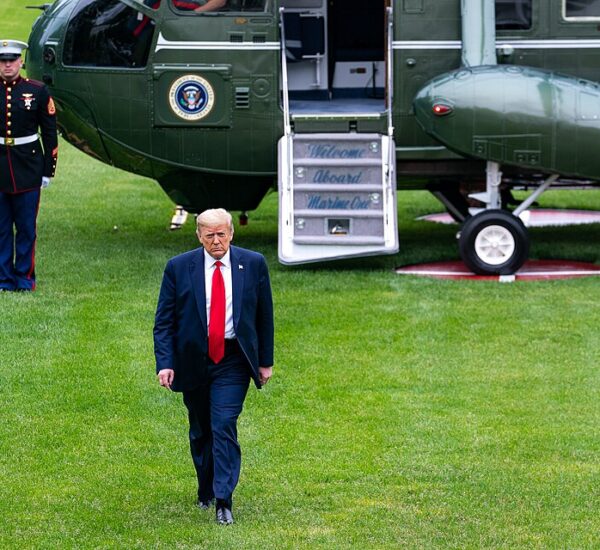
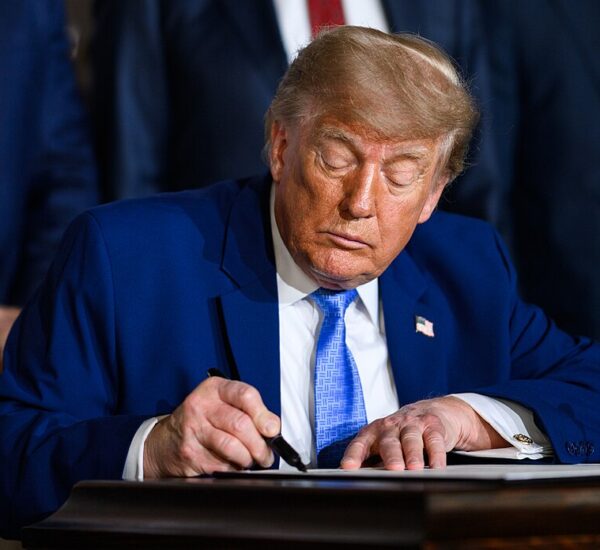
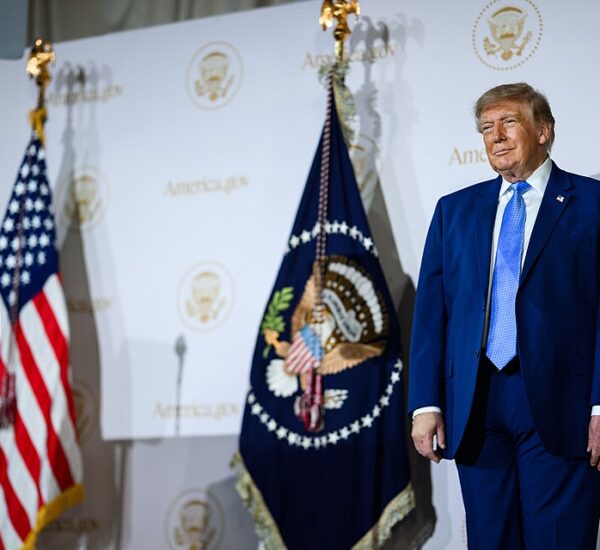
The escalating battle also highlights how much is at stake as President Donald Trump and congressional Republicans work to maintain their party’s influence in Washington.
Democrats Target Traditionally Republican Kansas
Kansas has long been considered a Republican stronghold in federal elections. In fact, Democrats have not won a U.S. Senate election in the state since 1932.
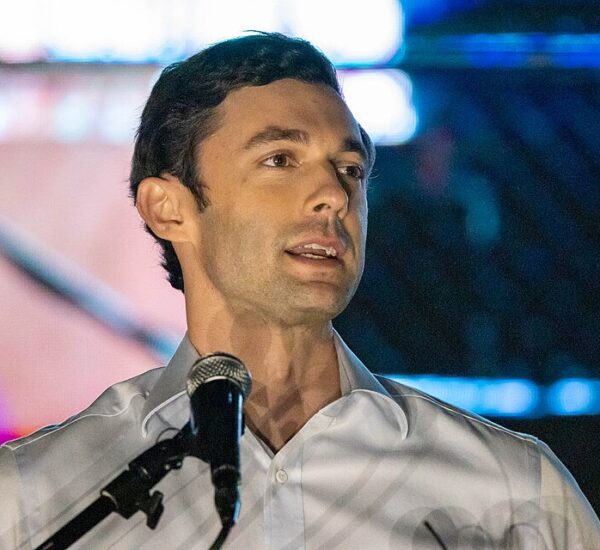
However, Hamilton, a United Methodist pastor, has emerged as a serious challenger to Marshall, attracting financial support and attention from Democratic organizations hoping to expand the electoral map.
Recent polling has suggested that the contest is much closer than many political observers originally anticipated.
One New York Times/Siena survey showed Marshall and Hamilton tied at 45% support each. The Cook Political Report has also shifted its assessment of the race to a toss-up, reflecting the increasingly competitive political environment.
For Democrats, defeating Marshall would represent a historic political breakthrough in a state that has consistently favored Republican Senate candidates for decades.
Millions Flow Into Kansas Senate Race
Campaign spending has become one of the most closely watched developments in the contest.
According to an October 8 analysis of federal election records published by VoteLog, outside political organizations had spent approximately $6.3 million benefiting Hamilton and $4.6 million benefiting Marshall during the general election period.
Those totals include spending both in support of a candidate and against that candidate’s opponent.
The financial activity demonstrates just how seriously political organizations are treating a race that once appeared unlikely to become a major national battleground.
Republicans are also investing significant resources to protect the seat.
The Senate Leadership Fund, a Republican-aligned political action committee, redirected approximately $8.2 million toward Kansas after scaling back planned spending in North Carolina.
That decision demonstrates the changing priorities facing Republican strategists as they assess which Senate seats require additional financial support.
Economy And Cost Of Living Take Center Stage
The Kansas contest is unfolding as Americans continue to express concerns about household expenses, energy costs, and the broader economy.
These issues are especially significant for Kansas families, farmers, small-business owners, and retirees who are carefully watching the cost of everyday necessities.
Hamilton has sought to appeal to voters frustrated by economic pressures, while Marshall is campaigning to retain the seat and defend his record in Washington.
The election also reflects a broader national political debate over which party is better positioned to address financial challenges facing American households.
For Republican candidates, maintaining support among traditional conservative voters while appealing to independents could prove important in competitive states.
Republicans Face An Important Test
Marshall’s reelection campaign carries implications beyond Kansas.
Republicans are fighting to maintain control of the U.S. Senate, where every competitive seat could influence the balance of power after the midterm elections.
A Democratic victory in Kansas would be particularly noteworthy because of the state’s long Republican voting history.
However, Democrats still face the challenge of winning over voters in a state that has consistently supported Republican candidates in recent presidential and Senate elections.
Although campaign spending can help candidates reach more voters through television advertisements, digital outreach, and grassroots organizing, financial advantages do not automatically translate into victories at the ballot box.
Kansas Voters Will Have The Final Say
With Election Day drawing closer, both parties are expected to continue focusing attention and resources on Kansas.
For Marshall, the objective is to hold a traditionally Republican Senate seat and help preserve his party’s congressional majority.
For Hamilton, the goal is to turn an increasingly competitive campaign into a historic Democratic victory.
The growing financial investment underscores the importance of the contest, but the outcome will ultimately depend on Kansas voters.
On November 3, those voters will decide whether to continue their state’s longstanding Republican representation in the Senate or choose a different direction.
Whatever the result, the Kansas Senate race has become one of the more unexpected political battles of the 2026 midterm election cycle.