Questions Arise Over Trump’s Upcoming G7 Visit
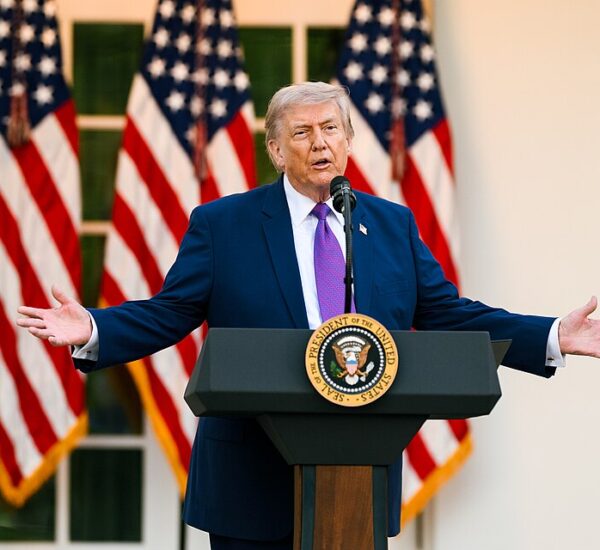
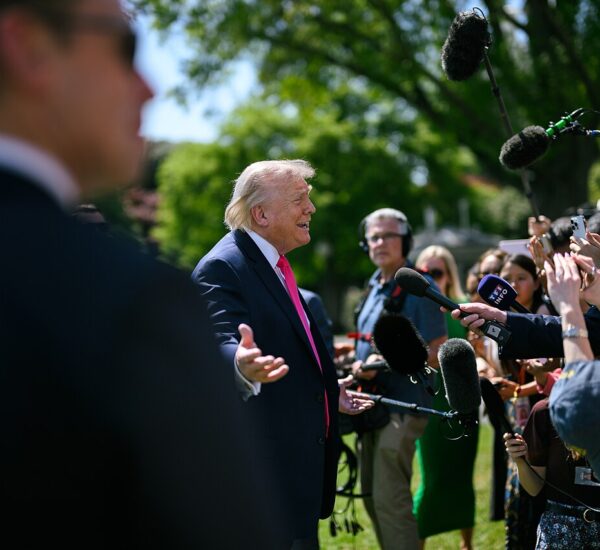
President Donald Trump is preparing for a potentially challenging Group of Seven (G7) summit next week in France, where he will meet face-to-face with several world leaders who have increasingly disagreed with his approach to foreign policy, trade, and international security.
The gathering comes at a critical moment as tensions continue to rise in the Middle East, global energy prices remain unstable, and disagreements between Washington and several longtime allies have become more public.
Just one year ago, Trump cut short his participation in the G7 meeting in Canada, returning to Washington as conflict escalated between Israel and Iran. Today, the ongoing confrontation with Iran remains one of the most significant issues dividing the United States and some of its closest partners.
Adding to the friction, the Trump administration recently signaled it may scale back certain military commitments in Europe during future security crises, raising concerns among several European governments that have long relied on American leadership.
France: A Friendship Put to the Test
French President Emmanuel Macron and President Trump once enjoyed a notably warm relationship. During Trump’s first term, Macron made a visible effort to build strong ties with the White House, hosting Trump for Bastille Day celebrations in Paris and later receiving a state visit invitation to Washington.
Over time, however, the relationship has cooled.
The two leaders have publicly disagreed on several major issues, including trade and the future direction of Western alliances. Macron has criticized American tariffs on European goods and has expressed concerns over some of Trump’s foreign policy positions.
One of the largest divides centers on Ukraine. While France has strongly supported continued assistance to Kyiv, Trump has advocated a more cautious approach focused on ending the conflict through negotiations.
The ongoing dispute involving Iran may create even greater tension at this year’s summit. France and several European nations have urged diplomatic solutions, while the Trump administration has taken a tougher stance aimed at preventing Iran from advancing its nuclear ambitions.
As host of this year’s summit, Macron faces the difficult task of keeping discussions productive while managing sharp disagreements among member nations.
United Kingdom: Strategic Differences Continue
British Prime Minister Keir Starmer is also expected to have important discussions with Trump during the summit.
Although the United Kingdom remains one of America’s closest allies, the two governments have increasingly differed on how to address global security challenges.
Starmer has emphasized limiting Britain’s direct involvement in the Iran conflict while continuing diplomatic efforts with European partners. Trump, meanwhile, has publicly criticized allies he believes are not doing enough to help protect global shipping routes and energy supplies.
Energy prices have become a major political issue on both sides of the Atlantic. British leaders have blamed international conflicts for rising costs, while Trump argues stronger policies are needed to restore stability and discourage hostile actors.
The two governments have also disagreed over the future of the Chagos Islands and the strategic military base at Diego Garcia, a location viewed as critical to Western security interests.
Canada: Relations Remain Strained
Canadian Prime Minister Mark Carney has emerged as one of Trump’s most outspoken critics among world leaders.
Relations between the neighboring countries have been tested by disputes over trade, economic policy, and national sovereignty.
Carney has argued that recent American policies have reshaped the global order, while Trump has repeatedly emphasized the importance of U.S. economic strength and America’s role in supporting regional stability.
Trade remains the biggest sticking point.
Questions continue surrounding the future of North American trade agreements, and both governments have exchanged criticism over economic priorities and border-related issues.
Despite these disagreements, both nations remain deeply connected through commerce, security cooperation, and shared economic interests.
Germany: Improving Relations After Earlier Clashes
German Chancellor Friedrich Merz has also had moments of tension with the Trump administration, particularly regarding Iran and international diplomacy.
Earlier this year, Merz criticized the effectiveness of negotiations with Tehran and questioned America’s handling of the situation. Trump responded forcefully, arguing that his administration remains focused on eliminating potential nuclear threats.
In recent weeks, however, the tone has improved.
Both leaders have reported productive conversations regarding Iran, NATO cooperation, and efforts to end the war in Ukraine. Observers believe Germany and the United States may be looking for common ground ahead of several major international meetings later this year.
Italy: Once a Strong Ally, Now Facing Disagreements
Italian Prime Minister Giorgia Meloni was widely viewed as one of Trump’s closest political allies in Europe due to their shared conservative views on many issues.
Recently, however, differences have emerged.
Meloni publicly criticized remarks Trump made concerning Pope Leo XIV, arguing that the leader of the Catholic Church has a responsibility to advocate for peace during times of conflict.
Trump responded by questioning whether some European leaders fully appreciate the threat posed by a nuclear-armed Iran.
While the two leaders still share common positions on immigration and national sovereignty, their relationship appears less predictable than in previous years.
Japan: Perhaps Trump’s Strongest G7 Relationship
Among G7 leaders, Japanese Prime Minister Sanae Takaichi is widely viewed as having one of the most positive relationships with President Trump.
The conservative Japanese leader has worked closely with Washington on security issues and has strongly supported efforts to prevent Iran from obtaining nuclear weapons.
Nevertheless, Trump has occasionally expressed frustration with some American allies in Asia, arguing that the United States carries too much of the burden for regional defense.
Even so, Japan remains one of America’s most important strategic partners, and both leaders are expected to emphasize cooperation during the summit.
A Defining Moment for the Western Alliance
This year’s G7 summit could become one of the most significant international gatherings of Trump’s second term.
The meeting comes as world leaders confront major challenges, including the Iran conflict, energy security, trade disputes, and the future of NATO.
For Trump, the summit offers an opportunity to defend his America First agenda directly before some of the world’s most influential leaders. For America’s allies, it will be a chance to push for greater cooperation on issues that affect the global economy and international stability.
Whether the meeting produces new agreements or exposes deeper divisions remains to be seen, but one thing is certain: all eyes will be on France as the world’s leading democracies gather for a crucial week of diplomacy.