Here’s what happened.
A federal judge appointed by former President Joe Biden has stepped into a growing legal battle over how American history should be presented at the nation’s parks, monuments, and historic sites.
The ruling temporarily blocks part of President Donald Trump’s effort to remove what his administration calls politically motivated content from federally controlled exhibits.
The decision comes as America prepares to celebrate its 250th anniversary, a milestone that has become a major focus of the Trump administration’s efforts to promote patriotism and national pride.
Federal Judge Orders Restoration Of Removed Exhibits
U.S. District Judge Angel Kelley issued a preliminary injunction requiring the administration to restore exhibits and educational materials that had been removed from several national parks.
The displays covered topics including slavery, climate change, labor history, and other subjects that became the focus of a review ordered by the Trump administration.
Kelley also directed federal officials to halt additional removals while the lawsuit continues and ordered weekly reports detailing the government’s compliance with the ruling.
The decision immediately sparked criticism from administration officials, who argue that elected leaders—not federal judges—should determine how government agencies present historical information.
Trump’s Executive Order Sparked The Dispute
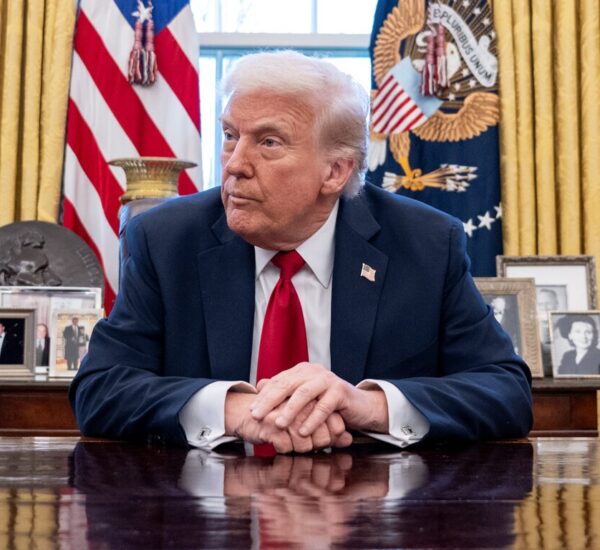
The controversy began after Trump signed an executive order in March titled “Restoring Truth and Sanity to American History.”
The order directed federal agencies to review exhibits, displays, and educational materials that the administration believed reflected political activism rather than balanced historical education.
According to the White House, many government institutions shifted dramatically following the unrest of 2020, placing greater emphasis on themes of racial division, climate activism, and other political issues.
Trump argued that federal sites should present American history in a way that recognizes both challenges and achievements while emphasizing the nation’s accomplishments.
The administration said taxpayers should not fund exhibits that portray the United States primarily through its failures.
Interior Department Defends Changes
Interior Secretary Doug Burgum has been one of the strongest defenders of the effort.
Department officials said the review was designed to remove what they viewed as partisan messaging from national parks, museums, monuments, and historic sites.
The Interior Department criticized the court’s ruling and indicated it is reviewing options for an appeal.
Administration officials maintain that the goal is not to erase history but to ensure public institutions remain focused on education rather than political advocacy.
Supporters of the policy argue that many Americans have grown concerned about ideological messaging appearing throughout federal agencies and taxpayer-funded programs.
Which Exhibits Were Affected?
Among the exhibits affected by the administration’s review were displays discussing George Washington’s ownership of enslaved people at Philadelphia’s Independence National Historical Park.
Other changes included the removal of climate-related signage at Fort Sumter National Monument in South Carolina.
Additional materials reportedly removed included a display featuring a Pride flag at Arizona’s Sunset Crater Volcano National Monument and labor-history films shown at a Massachusetts historical park.
Critics argued the removals left out important historical context.
Supporters countered that federal sites had increasingly focused on political themes that many visitors did not expect to encounter during educational visits.
Why The Case Matters
The lawsuit raises a larger question that extends far beyond a handful of exhibits.
Who should decide how American history is presented to future generations?
Should federal judges intervene when elected administrations change educational displays?
Or should presidents and cabinet officials have broad authority to determine the content presented by executive branch agencies?
Those questions are likely to remain at the center of the legal fight as the case moves forward.
What Happens Next?
The Trump administration is expected to consider an appeal.
If higher courts become involved, the dispute could eventually help define the limits of presidential authority over museums, national parks, monuments, and other federally controlled institutions.
With America’s 250th birthday celebration approaching, the battle over history, patriotism, and government influence is likely to remain a major political issue.
For now, the administration must begin restoring the removed materials while the courts decide the next chapter in a case that could have lasting implications for how American history is taught and displayed across the country.