Trump Gives Warsh Total Freedom
President Donald Trump is publicly backing new Federal Reserve Chairman Kevin Warsh while renewing his push for lower interest rates, arguing that America’s strong economy should be rewarded with cheaper borrowing costs rather than tighter monetary policy.
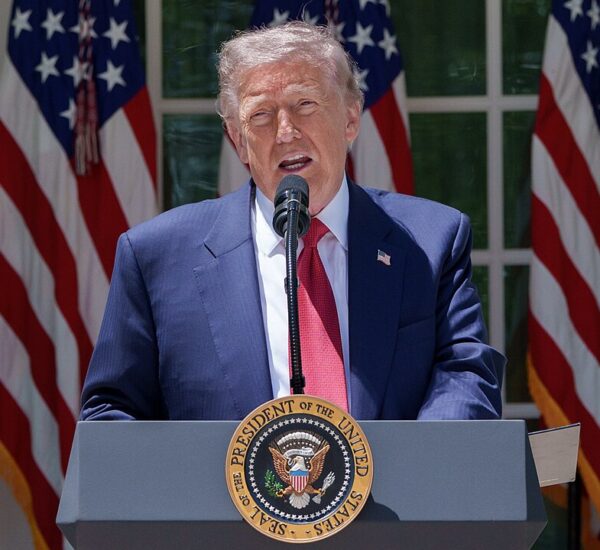
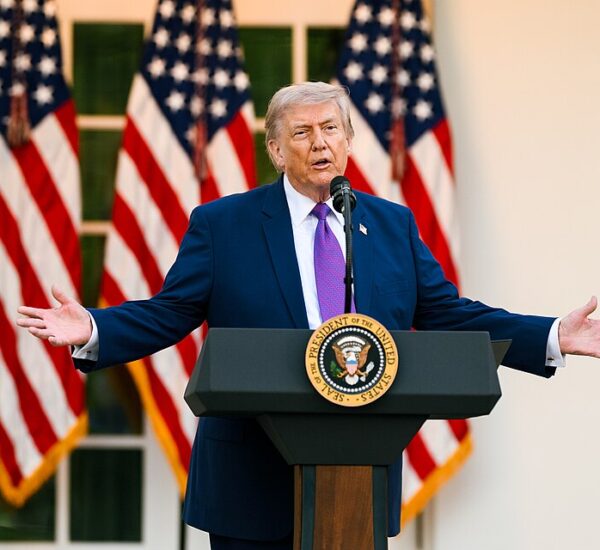
Speaking during an interview on NBC’s Meet the Press, Trump praised Warsh ahead of his first meeting as chairman of the Federal Open Market Committee (FOMC), the powerful group responsible for setting U.S. interest rates.
The president’s comments come at a critical moment for millions of Americans struggling with high gasoline prices, elevated borrowing costs, and persistent inflation concerns.
Trump: Strong Economic Growth Doesn’t Justify Higher Rates
Trump said recent economic data demonstrates that the United States remains on solid footing and questioned why policymakers would consider raising interest rates in response.
“We had a great report. We’re doing very well,” Trump said. “There’s no reason to raise interest rates.”
The president argued that when the economy performs well, Washington should encourage continued growth rather than make it more expensive for families and businesses to borrow money.
According to Trump, low interest rates helped fuel economic expansion, business investment, homeownership, and job creation during previous periods of American prosperity.
Why Interest Rates Matter to Everyday Americans
Interest rate decisions affect far more than Wall Street.
When the Federal Reserve raises rates, borrowing typically becomes more expensive across the economy. That can impact:
- Mortgage rates for homebuyers
- Credit card interest charges
- Auto loans
- Small business financing
- Retirement investment performance
- Consumer spending
For retirees and Americans living on fixed incomes, higher rates can create both benefits and challenges. While savings accounts may earn more interest, rising borrowing costs and inflation can strain household budgets.
Trump’s position is that lower rates would help accelerate economic growth while reducing financial pressure on working families.
Strong Jobs Report Fuels Debate
The debate intensified after the latest employment report showed the U.S. economy added 172,000 jobs in May.
The unemployment rate remained stable, signaling continued labor market strength despite ongoing economic uncertainty.
Some investors interpreted the report as a sign that the Federal Reserve may feel less urgency to cut rates because the economy remains resilient.
Following the release of the jobs numbers, financial markets reacted cautiously as traders reassessed expectations for future Fed policy.
Inflation and Energy Prices Remain Key Concerns
While employment remains strong, many Americans continue to feel squeezed by higher living costs.
Gasoline prices have climbed significantly since the conflict involving Iran disrupted global energy markets. The national average price for regular gasoline currently stands at approximately $4.17 per gallon.
Higher fuel prices often ripple throughout the economy by increasing transportation and shipping costs, which can ultimately raise prices on everyday goods and services.
Inflation remains one of the top concerns among voters, particularly older Americans who closely monitor the purchasing power of their retirement savings and monthly budgets.
A Different Relationship Than Trump’s Clashes With Jerome Powell
Trump’s supportive comments toward Warsh stand in sharp contrast to his often-contentious relationship with former Federal Reserve Chairman Jerome Powell.
During Powell’s tenure, Trump repeatedly criticized the Fed for maintaining higher interest rates and argued that policymakers were slowing economic growth unnecessarily.
The disagreements frequently became public, creating tensions between the White House and the traditionally independent central bank.
Warsh now enters the position facing intense scrutiny from investors, economists, lawmakers, and business leaders who are looking for clues about the future direction of interest rate policy.
Can the Federal Reserve Remain Independent?
Although the chairman serves as the public face of the Federal Reserve, interest rate decisions are ultimately made by the 12-member Federal Open Market Committee.
The committee votes on monetary policy, meaning no single individual controls the outcome.
Still, the chairman plays a significant role in shaping discussions, guiding policy priorities, and communicating the Fed’s economic outlook to financial markets.
Critics argue that political pressure should never influence monetary policy decisions, while supporters of Trump’s position contend that economic growth deserves greater consideration when setting rates.
What Happens Next?
Warsh’s first Federal Reserve meeting as chairman is expected to be closely watched by investors, homeowners, retirees, and business owners nationwide.
The committee’s decision could influence mortgage rates, credit card costs, investment markets, retirement accounts, and overall economic growth for months to come.
Trump made clear where he stands.
Trump expressed confidence that his preferred economic approach would produce exceptional results, saying the nation could operate more efficiently and successfully than ever before.
Whether the Federal Reserve follows that path will soon become one of the most closely watched economic questions in America.
For millions of Americans concerned about inflation, retirement savings, home values, and the broader economy, the stakes could hardly be higher.