Bolton Issues Warning To Trump
Former National Security Adviser John Bolton is sounding the alarm over the future of Middle East security, warning that the ongoing conflict involving Iran could encourage more countries in the region to pursue nuclear weapons.
In a new opinion article published Sunday, Bolton argued that uncertainty surrounding U.S. policy and future negotiations with Tehran may convince America’s allies that they need stronger deterrents of their own.
The warning comes as tensions remain high across the Middle East, global energy markets continue to face uncertainty, and concerns grow over Iran’s nuclear ambitions.
Bolton Raises Concerns About Regional Stability
According to Bolton, governments throughout the Gulf region are increasingly questioning whether the United States will remain a dependable security partner in the years ahead.
If those doubts continue to grow, he believes some nations may decide that developing their own nuclear capabilities is the safest way to protect themselves from future threats.
Bolton argued that a broader nuclear buildup would make an already volatile region even more dangerous while increasing security risks worldwide.
Iran War Passes Three-Month Mark
The conflict involving Iran has now stretched beyond three months, creating new challenges for global markets and international diplomacy.
The fighting has placed pressure on U.S. allies, contributed to energy market concerns, and raised fears about the security of key shipping routes in the Middle East.
Many Americans have also expressed concern about the possibility of a prolonged conflict and the economic consequences that could follow.
Trump Continues Push for Negotiated Solution
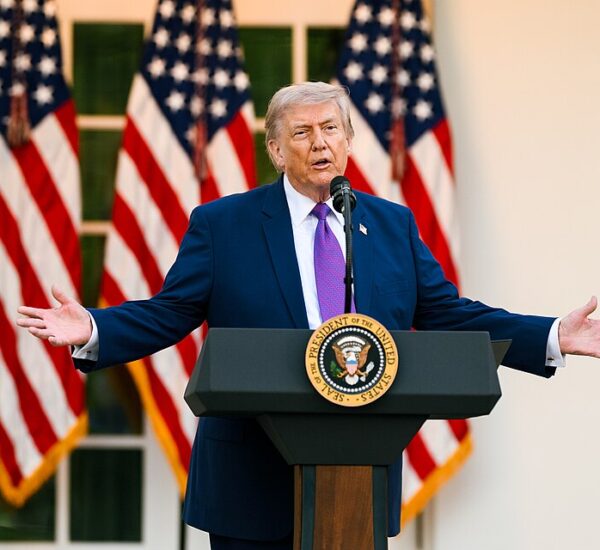
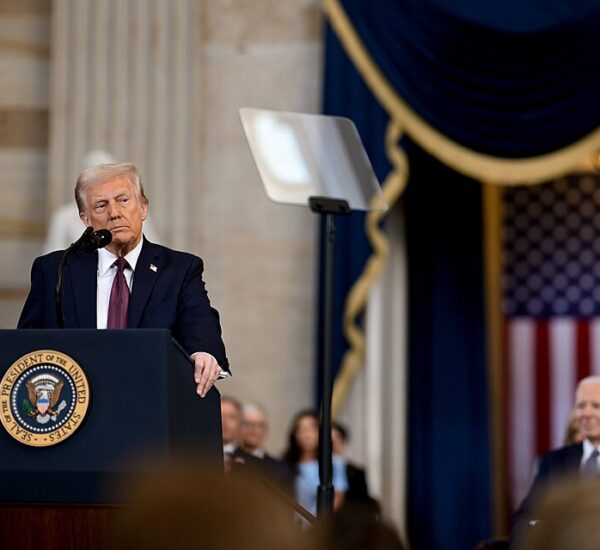
President Donald Trump has continued to pursue a diplomatic resolution while maintaining pressure on Tehran.
During a recent interview, Trump suggested Iranian leaders may ultimately be forced to negotiate despite their resistance to outside demands.
The administration has been cautious about rushing into a long-term agreement involving Iran’s nuclear program and the Strait of Hormuz, one of the world’s most important energy corridors.
New Missile Attack Raises Tensions
Regional tensions escalated again Sunday after Iran reportedly launched missiles toward Israel.
The latest developments highlight the fragile security environment and underscore the challenges facing leaders attempting to prevent a wider conflict.
With military activity continuing and negotiations still uncertain, many observers are closely watching whether the crisis moves toward diplomacy or further escalation.
Could More Countries Seek Nuclear Weapons?
One of Bolton’s biggest concerns is that America’s regional partners may begin reconsidering long-standing assumptions about their security.
For decades, some Middle Eastern governments have debated whether nuclear capabilities could serve as a safeguard against regional threats.
Bolton believes recent events could accelerate those conversations if allies lose confidence in traditional security arrangements.
What’s Next for the Middle East?
The coming months could prove critical for the future of regional stability.
World leaders continue searching for ways to contain Iran’s nuclear ambitions, protect global energy supplies, and prevent a larger conflict from emerging.
Whether diplomacy succeeds or tensions continue to rise may shape the security landscape of the Middle East for years to come.