Trump To Appeal Major Tariff Ruling
Thousands of American businesses are finally seeing relief after a major court ruling opened the door to refunds on billions of dollars in tariff payments. But a new legal challenge could slow the process and leave many companies waiting even longer for money they believe they are owed.
At the center of the dispute is an estimated $166 billion in import duties collected after President Donald Trump imposed sweeping tariffs on goods from countries around the world. Earlier this year, the U.S. Supreme Court ruled that the tariffs exceeded presidential authority, triggering one of the largest potential refund efforts in modern U.S. trade history.
Since then, businesses ranging from large national retailers to family-owned companies have rushed to file claims. According to federal court filings, companies have already submitted requests totaling roughly $85 billion, representing more than half of the government’s estimated liability.
The refund program initially appeared to be moving forward at a steady pace. U.S. Customs and Border Protection confirmed that the first payments were delivered in May, with more than $20 billion already approved for reimbursement through the Treasury Department.
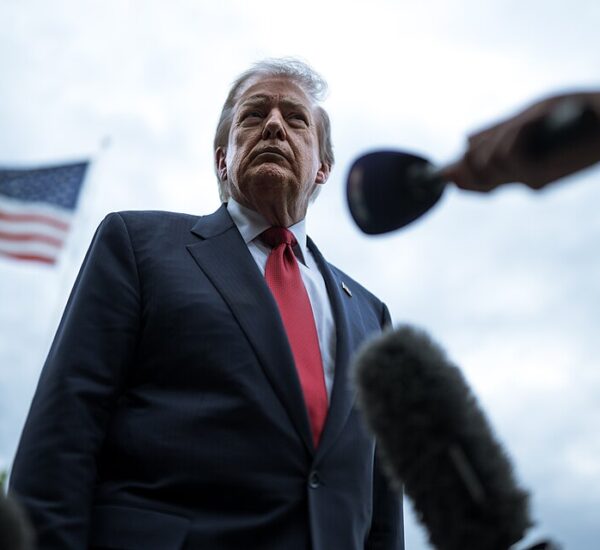
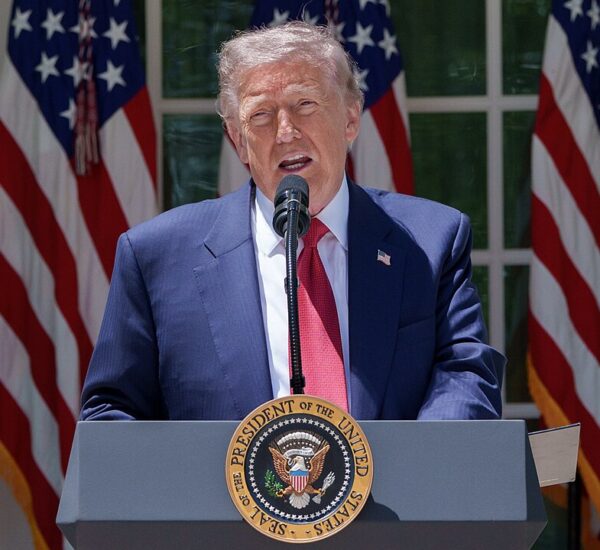
However, uncertainty returned this week after the Trump administration announced plans to appeal a federal court ruling that expanded refund eligibility beyond companies that originally filed lawsuits.
The administration argues that only businesses directly involved in the legal challenge should automatically qualify for refunds, while a federal judge ruled that all affected importers deserve repayment for duties collected under an unlawful policy.
The disagreement could have major consequences for hundreds of thousands of businesses across the country.
Federal officials estimate that as many as 330,000 importers may ultimately qualify for refunds. Judge Richard K. Eaton of the U.S. Court of International Trade has scheduled a June hearing to determine whether additional steps should be taken to accelerate the repayment process.
In court filings, Eaton emphasized the enormous financial stakes involved, noting that the government collected approximately $166 billion under the tariff program and that unlawfully collected duties should be returned.
What the Refunds Mean for Businesses
For many large corporations, the refunds represent an unexpected financial boost. Some retailers have already suggested that portions of the recovered funds could help offset costs and potentially reduce prices for consumers.
For smaller businesses, however, the impact could be even more significant.
Many business owners say the refunds could help cover payroll expenses, reduce debt, improve cash flow, fund inventory purchases, and strengthen operations after years of economic uncertainty, rising costs, and inflation pressures.
Toy company executive Jay Foreman said his business recently received approximately $450,000 in repayments, though that amount represented only a small portion of the total refund still owed.
Foreman said businesses need the government to move faster, arguing that the money could immediately be reinvested into American companies, employees, and local economies.
Why the Outcome Matters
The ongoing legal battle extends far beyond tariff policy.
The case could influence how future administrations use executive authority on trade issues and determine how quickly businesses recover billions of dollars that many believe should never have been collected in the first place.
With $166 billion still at stake, business owners, retailers, investors, and consumers will be closely watching the next phase of the court fight.
If the appeals process drags on, companies may face additional delays. If refunds continue moving forward, billions of dollars could flow back into the private sector, providing a significant boost to businesses still dealing with the effects of higher costs and economic uncertainty.