Trump’s Plan For China Meeting
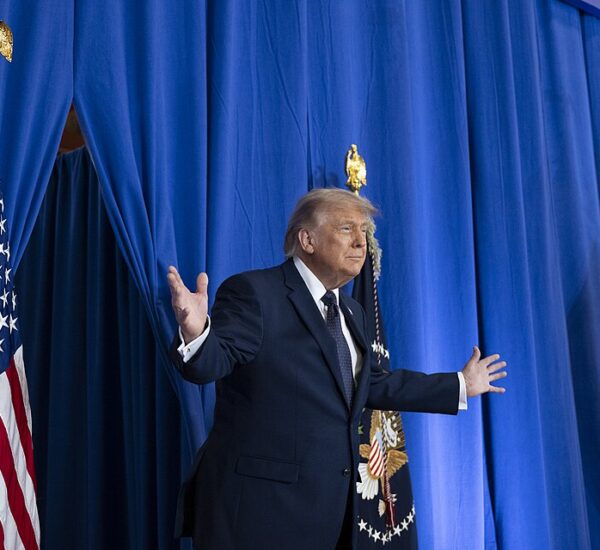
President Donald Trump is heading to China this week for a high-stakes summit with Chinese President Xi Jinping, where he is expected to confront Beijing on trade, Iran, Taiwan, and America’s economic independence.
For millions of Americans concerned about inflation, manufacturing losses, and growing global instability, this meeting could have major consequences for jobs, energy prices, and U.S. national security.
President Trump Puts America First in Beijing
President Trump will arrive in Beijing on Wednesday for a multi-day visit featuring formal meetings, strategic negotiations, and ceremonial events that underscore the importance of the U.S.-China relationship.
White House officials say the president’s primary mission is straightforward: secure better trade terms for American workers and demand that China treat the United States fairly.
Principal Deputy Press Secretary Anna Kelly said the administration is focused on restoring reciprocity and strengthening America’s economic independence after decades of one-sided trade deals.
President Trump is expected to push for expanded Chinese purchases of American farm products, aircraft, and manufactured goods—moves that could directly benefit U.S. farmers, factory workers, and exporters.
Trump to Pressure China Over Iran
One of the most significant issues on the agenda is China’s relationship with Iran.
China remains one of Iran’s largest oil customers, providing critical revenue to the regime in Tehran.
Senior administration officials say President Trump plans to urge Xi Jinping to use Beijing’s influence to help reduce tensions and cut off support that strengthens America’s adversaries.
The administration is also expected to raise concerns about Chinese exports of dual-use technologies that can support both civilian and military operations.
Trade Truce and Tariff Talks Could Impact American Jobs
President Trump and Xi are also expected to discuss extending the trade truce reached last year.
While tariff disputes remain unresolved, both nations appear interested in preserving stability while negotiations continue.
Trump’s tariff strategy has been central to his broader effort to restore fairness to international trade and reduce America’s dependence on foreign supply chains.
For many conservative Americans, tariffs are viewed as a powerful tool to defend domestic industries and bring manufacturing jobs back home.
Taiwan Remains a Key National Security Issue
The summit will also include discussions about Taiwan, one of the most sensitive issues in U.S.-China relations.
President Trump has maintained ongoing talks with Xi Jinping regarding regional security and America’s commitment to peace and stability in the Indo-Pacific.
The administration continues to emphasize that U.S. allies and strategic interests in the region will be protected.
Historic Setting Highlights Importance of the Meeting
During the visit, President Trump is scheduled to:
- Participate in a formal welcome ceremony
- Hold private meetings with Xi Jinping
- Tour the historic Temple of Heaven
- Attend an official state banquet
- Take part in additional working sessions and a bilateral lunch
Chinese officials are expected to make a reciprocal visit to Washington later this year.
Why This Summit Matters to Americans Over 50
Many older Americans have watched U.S. factories close and jobs move overseas over the past several decades.
President Trump’s meeting with Xi Jinping represents another major effort to reverse those trends by confronting China on unfair trade, global security, and economic leverage.
The results of this summit could affect:
- Retirement portfolios and stock markets
- Gas and energy prices
- Inflation and consumer costs
- National security and global stability
- The future of American manufacturing
Bottom Line
President Trump’s upcoming meeting with Xi Jinping is about far more than diplomatic ceremony.
It is a critical test of his America First strategy—one that aims to protect American workers, strengthen the economy, confront Iran, and ensure the United States remains strong in an increasingly competitive world.
For conservative Americans who support fair trade, lower inflation, and stronger national security, this summit could be one of the most important foreign policy moments of the year.