Trump Official Clears Up The Rumors
Transportation Secretary Sean Duffy is pushing back hard against claims that rising fuel prices from the Iran conflict caused the collapse of Spirit Airlines — and his message is clear: don’t blame the war for a long-running failure.
Duffy: Spirit’s Problems Started Long Before Iran Conflict
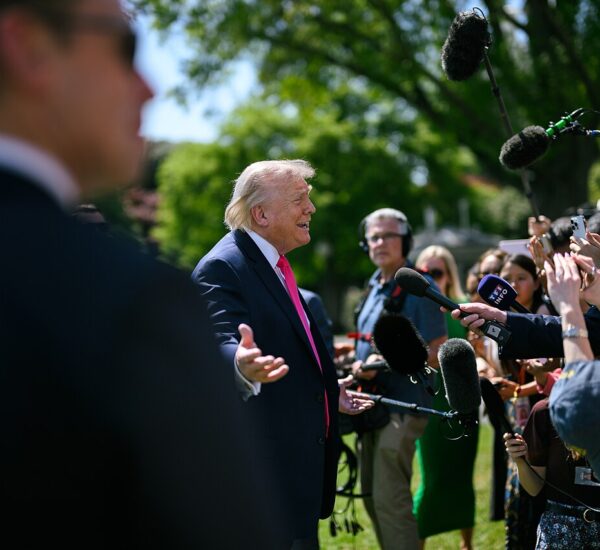
Speaking during a press conference in New Jersey, Duffy dismissed the idea that global tensions were the primary cause of Spirit’s shutdown.
According to Duffy, the airline had been struggling for years, pointing to repeated bankruptcy filings and an unsustainable business model.
“Spirit was already in serious financial trouble well before the Iran situation,” Duffy said. “This wasn’t caused by the war — the issues were already there.”
Spirit Airlines Shuts Down Operations
The airline confirmed it is immediately winding down global operations, bringing an abrupt end to one of America’s most recognizable budget carriers.
This marks the latest blow for the company, which filed for bankruptcy twice within the past year — a sign, critics say, that deeper structural problems were never resolved.
CEO Blames Fuel Prices and Economic Pressure
Spirit CEO Dave Davis offered a different explanation, arguing that the airline’s recovery plan was derailed by rising fuel costs tied to the Iran conflict.
He acknowledged that many airlines are under pressure, but said Spirit simply didn’t have the financial cushion to survive.
“Everyone in the industry is burning cash,” Davis said. “We just started with less.”
Fuel Prices Surge Amid Iran Conflict
The ongoing conflict has sent shockwaves through global energy markets, with oil prices spiking sharply.
Brent crude — the international benchmark — briefly surged to around $126 per barrel, pushing jet fuel and gasoline costs higher across the board.
That spike has placed added strain on airlines already operating on thin margins.
Bailout Debate Sparks Concern Among Conservatives
The crisis has reignited debate in Washington over potential bailouts.
Donald Trump previously floated a $500 billion rescue proposal for Spirit, but the plan stalled after Republican lawmakers raised concerns about taxpayer risk and government overreach.
Now, several low-cost airlines are requesting $2.5 billion in federal assistance, arguing it would help stabilize operations and keep flights affordable.
Trump Administration Signals ‘Last Resort’ Approach
Duffy made it clear the administration is not eager to step in.
“If airlines can find funding in the private market, that’s the better path,” he said. “Government should only be the lender of last resort.”
He also emphasized that any bailout would require approval from Congress — and would only move forward if there is a clear and urgent need.
Bottom Line
While rising fuel costs are putting pressure on the airline industry, the Trump administration is drawing a firm line: long-term business failures won’t be blamed on short-term global events.
For many conservatives, the debate comes down to a simple question — should taxpayers be asked to rescue companies that were already struggling?