Senate Passes Short Term Renewal
In a high-stakes showdown in Washington, lawmakers rushed through a last-minute extension of a critical surveillance program—highlighting once again the growing divide in Congress over national security and government overreach.
With the clock ticking toward a dangerous lapse, the Senate approved a short-term renewal of the controversial program through April 30, keeping a vital intelligence tool alive—for now.
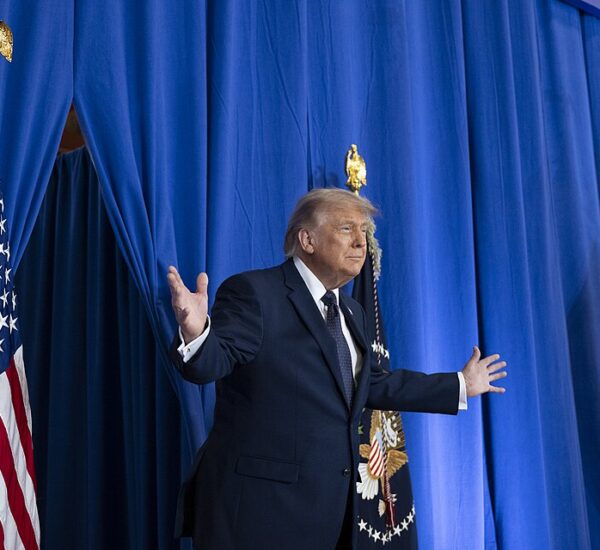
The measure now heads to President Donald Trump, who has been pushing hard for a stronger, long-term extension to protect the country from rising global threats.
Late-Night Chaos Forces Emergency Action
What unfolded behind the scenes was nothing short of political chaos.
House Republicans, led by Speaker Mike Johnson, attempted multiple times to pass a longer extension—but each effort collapsed under pressure from both sides of the aisle.
- A 5-year extension failed
- A Trump-backed 18-month extension was blocked
- Roughly 20 Republicans joined Democrats to stop it
With time running out, lawmakers approved a 10-day emergency extension after 2 a.m., avoiding a total shutdown of the program.
“We came very close to getting it done tonight,” Johnson said following the intense late-night session.
Why This Surveillance Program Matters
At the center of the debate is Section 702 of the Foreign Intelligence Surveillance Act (FISA)—a powerful tool used by U.S. intelligence agencies.
This program allows agencies like the CIA, FBI, and NSA to monitor foreign threats without a warrant, helping to stop:
- Terrorist attacks
- Cyber warfare
- Foreign espionage
U.S. officials warn that letting this authority expire—even briefly—could leave America vulnerable at a time of increasing global instability.
Critics Raise Red Flags Over Abuse
Despite its importance, the program has faced intense criticism.
Opponents point to past misuse, including a 2024 court ruling that found the FBI improperly accessed sensitive data tied to:
- January 6 investigations
- 2020 protest-related cases
Critics argue this raises serious concerns about privacy and government overreach, especially when American communications are incidentally collected.
Trump Calls for Republican Unity
President Trump has made his position clear: renew the program cleanly and protect national security.
Throughout the week, he urged Republicans to stand together and pass a long-term extension without weakening the tool.
“I am asking Republicans to UNIFY,” Trump wrote, emphasizing the urgency of keeping America safe.
Behind closed doors, top officials—including CIA leadership—worked directly with lawmakers to push the plan forward.
Reform Efforts Fall Short
In an attempt to win over skeptics, House leaders proposed new safeguards, including:
- Requiring FBI attorneys to approve searches involving Americans
- Increasing oversight from intelligence leadership
But the changes weren’t enough to satisfy critics on either side, leading to repeated failures on the House floor.
Meanwhile, Democrats blasted the late-night process as disorganized and rushed.
What Happens Next?
The temporary extension buys Congress only a few days to reach a long-term agreement.
That means more debate—and likely more political battles—are just around the corner.
One thing is clear:
The fight over surveillance, security, and Americans’ rights is far from over.
Bottom Line
This showdown highlights a bigger issue facing the country:
How do you protect Americans from foreign threats without compromising their freedoms?
As pressure builds, all eyes are now on Congress—and President Trump—to deliver a solution that keeps the nation safe without repeating past mistakes.